The case for making your own apps

What changed
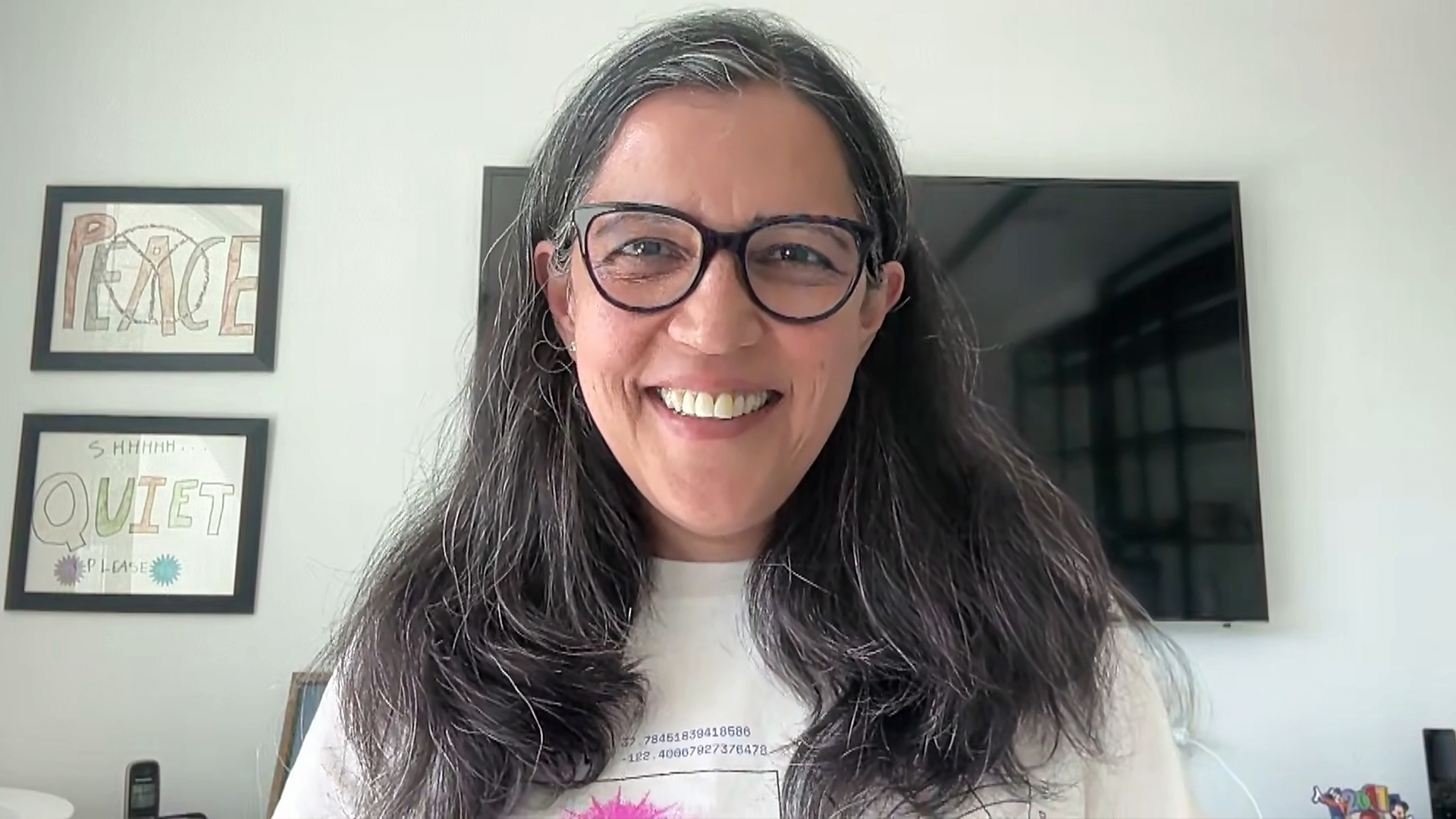
Thomas Paul Mann, CEO of Glaze, argues that the future of software is shifting toward disposable, custom-built apps rather than traditional SaaS products. He predicts that in a few years, half the software workers use daily will be something they created themselves or adapted for their specific needs. This movement is driven by the escalating costs and inflexibility of SaaS, which Mann describes as entering an “apocalypse” of growing disillusionment. Companies and users want more control and less vendor lock-in.
Mann’s vision focuses on making software creation accessible and lightweight. His startup Glaze helps users quickly build single-purpose apps tailored to their workflows, avoiding the bloat and complexity of typical SaaS platforms. The interview also touches on OpenAI’s rogue model release practices and ongoing debates over model distillation—approaches that affect how flexible, customizable, and trustworthy AI tools become.
Why builders should care
The SaaS apocalypse Mann highlights applies pressure on pricing, innovation, and user agency. As subscription fatigue rises and feature bloat grows, users and teams will opt for DIY solutions that save cost and better align with their specific tasks. This trend breaks down traditional vendor power, requiring SaaS providers to rethink product design toward modularity or risk getting bypassed.
For builders, this means lowering the barrier to app creation with no-code or low-code tools will unlock significant demand. It also raises the value of platforms that enable rapid iteration on disposable software, as opposed to monolithic apps built for wide, generic audiences. Understanding how to offer customization at scale becomes a key competitive edge.
The practical takeaway
Operators and founders should prepare for a shift where the distinction between user and creator blurs. Budgeting should account for internal platform or toolkit development that cuts reliance on expensive SaaS. IT teams will need to support a growing catalog of lightweight, ephemeral apps built in-house or by power users.
Investors should watch startups enabling effortless, fast app assembly and consider how SaaS evangelism might decline as end users demand more autonomy. Meanwhile, understanding the risks of unmanaged rogue models—as echoed by OpenAI’s approach—will be critical for maintaining security and compliance as the DIY app ecosystem grows.
What to watch next
The adoption rate of no-code/low-code platforms and disposable app frameworks will reveal how fast this “software you make” trend accelerates. SaaS companies that pivot to flexible, componentized offerings or provide crack-resistant core APIs might avoid decline.
Additionally, industry responses to rogue AI models and distillation debates could impact trust and control in AI-assisted app building. Watching how Glaze and similar ventures scale usability without compromising security will offer signals on where both opportunity and operational risk lie.
AI Quick Briefs Editorial Desk