The AI memory crisis just hit DDR2, a standard from 2003, with 60% price hikes
What happened
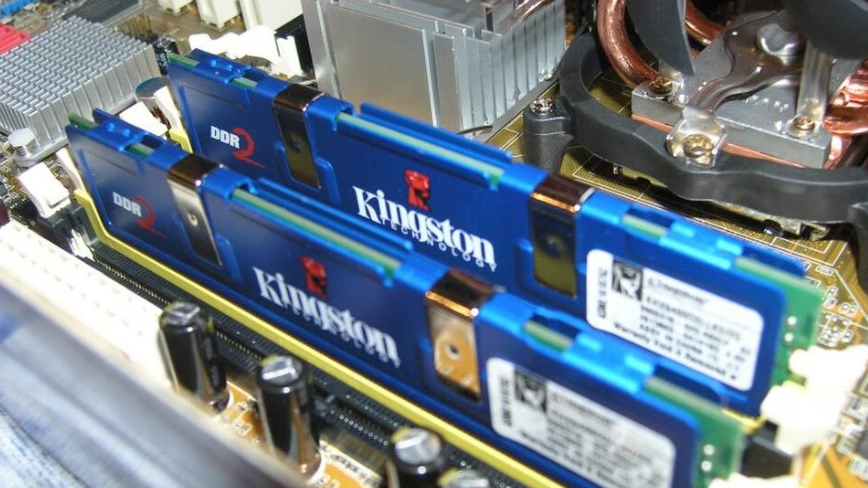
DDR2 memory prices surged sharply in the second quarter of 2026, climbing between 55 and 60 percent. This increase was spotted by Taiwanese market intelligence firm TrendForce and marks the first time the AI-driven global memory shortage has severely affected this legacy standard, which dates back to 2003 but remains in production. TrendForce also forecasts a further price hike of 35 to 40 percent in the third quarter of 2026.
Why it matters
The rise in DDR2 prices signals that AI-related demand pressures are stretching into older DRAM categories, not just the cutting-edge memory used in new hardware. Businesses that operate legacy systems, embedded devices, or lower-cost hardware relying on DDR2 now face higher component costs. This can complicate budgets for sectors less able to absorb price shocks, such as industrial automation, older server farms, or affordable consumer electronics. The shortage exposes fragile supply chains extending beyond the newest technologies and shows how AI’s rapid growth raises costs across the entire memory market.
What to watch next
Tracking prices for older memory standards like DDR2 will reveal whether supply chains can stabilize or if price inflation spreads further into even more mature technologies. Watch for manufacturers adjusting orders or switching suppliers, which could influence product availability, lead times, and component margins. Also, keep an eye on whether rising DDR2 prices accelerate efforts to migrate legacy systems to newer RAM standards, potentially forcing operational upgrades earlier than planned. The second half of 2026 will test how persistent AI demand pressures remain across the memory sector.
AI Quick Briefs Editorial Desk


