The AI backlash intensifies, China gains on the US leaders, and IBM tanks
What happened
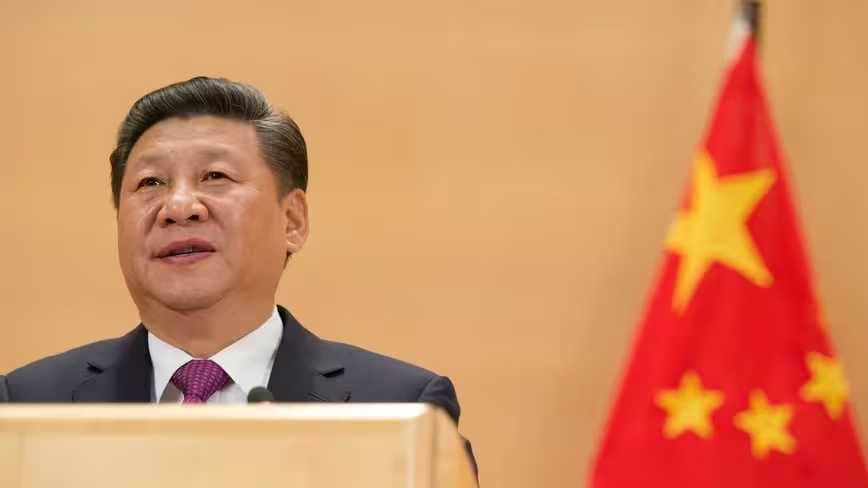
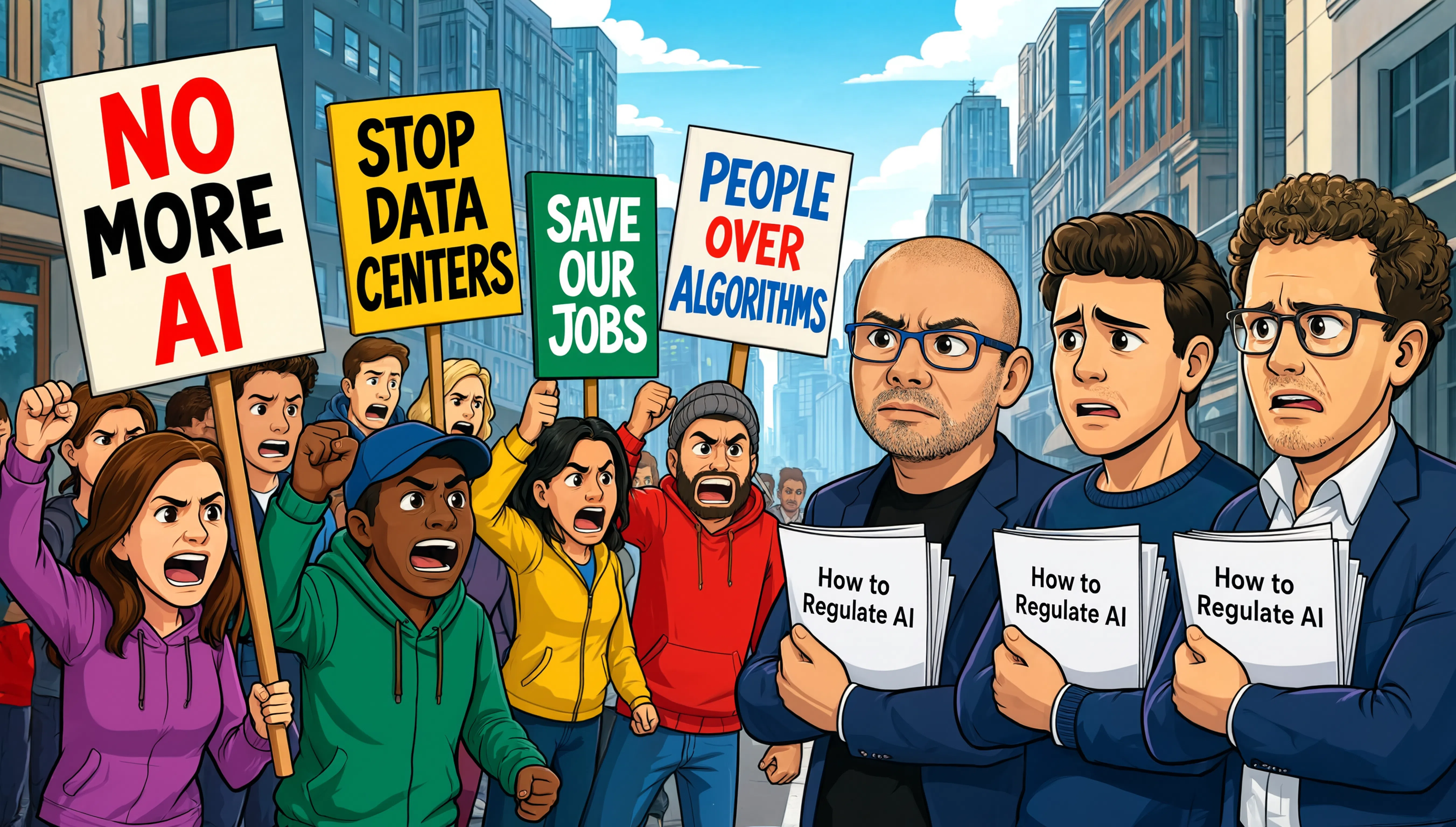
A growing chorus of AI industry leaders and economists is calling for stricter government regulation of artificial intelligence. The shift follows rising concerns about AI’s risks, including job disruption, ethical issues, and unchecked growth. Meanwhile, China is rapidly narrowing its technological gap with US AI leaders, challenging US dominance in the field. On the corporate front, IBM’s stock has suffered a steep decline, reflecting investor wariness toward established tech players struggling to keep pace amid the AI surge.
Why it matters
For builders, operators, and investors, the call for regulation signals a tightening environment around AI development and deployment. The laissez-faire approach favored until now is eroding, which will raise compliance costs and slow unregulated experimentation. China’s advances put pressure on US companies and policymakers to accelerate innovation and maintain competitive posture. IBM’s market drop highlights the risk for legacy companies that fail to capture growth from AI quickly. In sum, AI operators should prepare for a landscape where political, economic, and competitive forces compress margins and shift power balances.
What to watch next
The shape of upcoming AI regulations will be crucial. Will new rules focus on transparency, bias control, or operational safety? How quickly will governments implement these rules? Tracking China’s AI progress will reveal whether the US loss of leadership is temporary or structural. Companies like IBM will need to adjust strategies or risk further value erosion. For operators and investors, the evolving regulatory and competitive dynamics mean reassessing risk tolerance, market opportunities, and the urgency of innovation investments.
AI Quick Briefs Editorial Desk