Special Breaking Analysis: Nvidia’s AI networking moat is real – but the lock-in debate continues
What changed
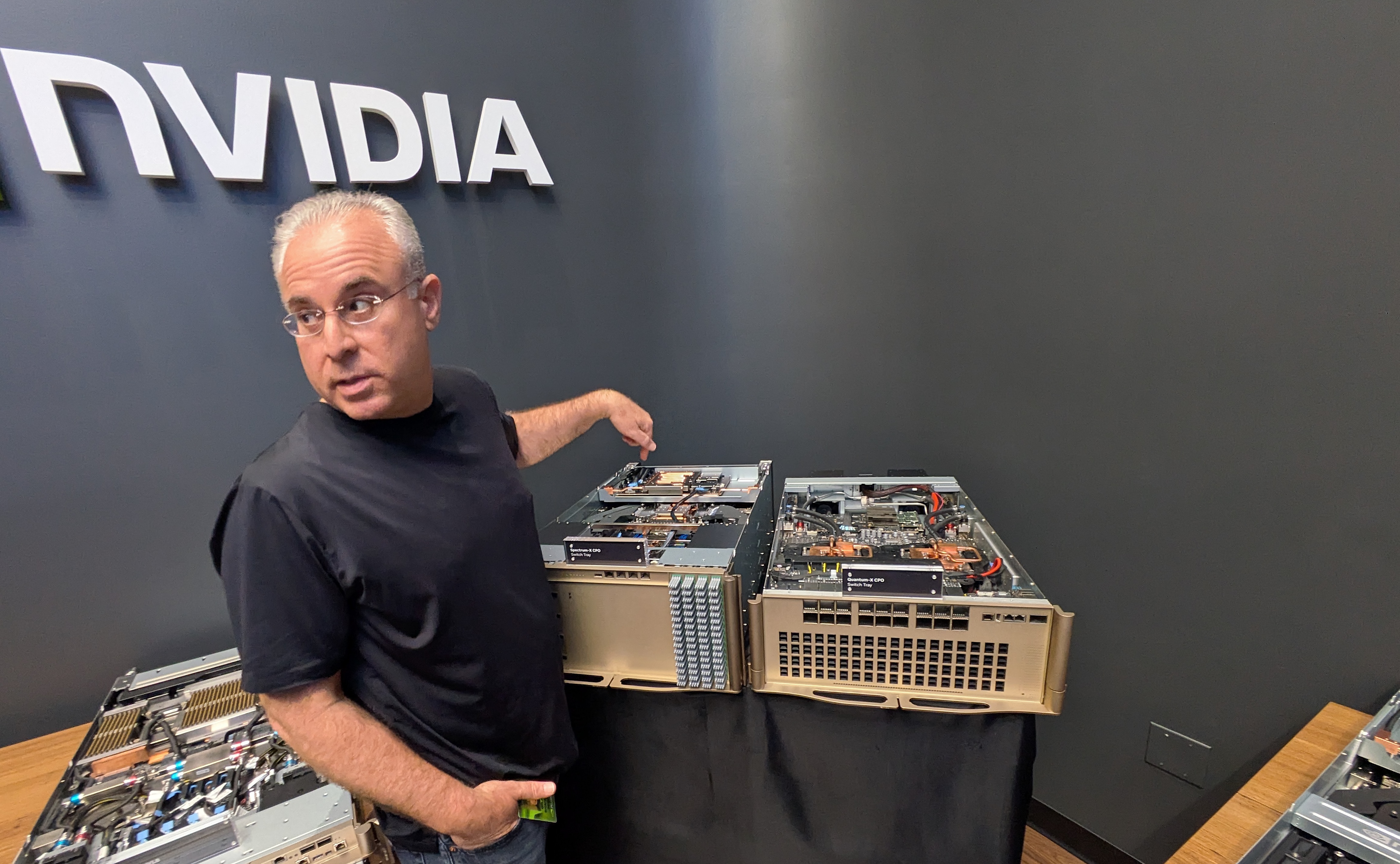
Nvidia’s networking chief Gilad Shainer detailed how their approach to AI networking uses agentic inference to embed intelligence directly into the network itself. This moves beyond treating the network as just a data pipe, making it a fundamental part of the AI compute system. According to Nvidia, this architecture creates a moat that others in AI infrastructure struggle to replicate. However, Nvidia’s claims around openness and avoiding lock-in continue to spark debate, with questions about whether their ecosystem truly offers flexibility or effectively traps users.
Why builders should care
For operators and developers building AI workloads at scale, networking often becomes a bottleneck or an afterthought. Nvidia’s shift means the network won’t just carry data but help infer and direct AI tasks dynamically. This can lead to faster AI model training and real-time performance improvements but potentially at the cost of dependence on Nvidia hardware and software stacks. The ongoing lock-in debate matters because choices made now will affect how easily teams can integrate alternative vendors or avoid vendor-driven price hikes in the future.
The practical takeaway
Nvidia’s AI networking innovation strengthens their position for demanding AI workloads by lowering latency and increasing throughput via smarter network components. This matters if the AI you run benefits from tightly optimized, distributed compute environments where network efficiency boosts overall performance. The trade-off is that embracing Nvidia’s ecosystem may increase the risk of lock-in despite formal openness claims. Builders need to weigh the operational gains from Nvidia’s networking advance against their tolerance for vendor dependency and switching costs.
What to watch next
Watch how Nvidia’s openness claims hold up as customers test interoperability and integration with non-Nvidia gear. Also, observe if competitors can develop comparable “agentic inference” networking or alternative approaches that deliver similar performance without locking users into single vendors. How the lock-in debate evolves will influence pricing pressure, innovation incentives, and enterprise procurement strategies in AI infrastructure going forward.
AI Quick Briefs Editorial Desk