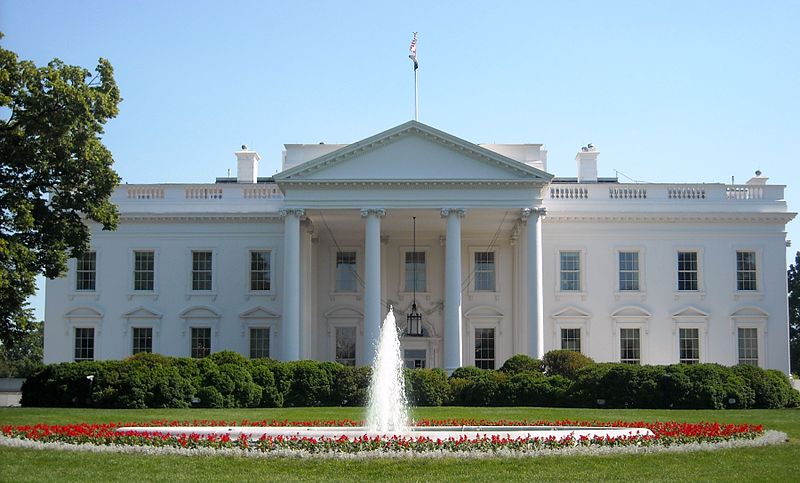
Silicon Valley’s rift over open source pushes back contemplated White House bans on Chinese AI

What happened
The Biden administration delayed imposing planned restrictions on Chinese open-source AI technologies following significant internal disagreement among Silicon Valley heavyweights. OpenAI and Anthropic pushed the White House to sanction Chinese AI models and block cloud access for Chinese companies. Meanwhile, Nvidia, Google, and Meta protested that such bans could hamper innovation and disrupt the AI ecosystem. The administration is holding off on final decisions but aims to resolve the issue before Chinese leader Xi Jinping’s visit in September.
Why it matters
This conflict exposes growing tensions between national security priorities and commercial AI interests. OpenAI and Anthropic are pursuing tighter controls to limit China’s rapid AI progress, fearing unfair competition and tech transfer. In contrast, major cloud and chip providers see sanctions as overreach that could stifle collaboration, raise costs for US developers, and fragment the AI supply chain. The delay signals a strategic recalibration to balance geopolitical risk and America’s AI competitiveness.
For operators and investors, this means current business activities involving Chinese AI firms or open-source AI tools won’t face immediate regulatory roadblocks. It also emphasizes that US tech companies still have leverage in shaping export controls and AI policies. However, the possibility of renewed sanctions by September adds uncertainty to long-term partnerships, cross-border AI research, and access to cloud infrastructure.
What to watch next
Keep an eye on the White House’s final stance on open-source Chinese AI models as the September visit approaches. Any new restrictions will affect cloud providers and AI startups that depend on Chinese technology or personnel. Also watch how Silicon Valley continues to lobby on behalf of open innovation, potentially setting precedents for future AI export controls.
For those deploying AI systems, policy shifts here could raise compliance costs, delay collaborations, and influence supply chain strategies. Investors should gauge risk exposure to firms deeply integrated with Chinese AI under a tougher regulatory regime. This is a critical moment where AI geopolitics and commercial pressures will shape US-China technology competition for the foreseeable future.
AI Quick Briefs Editorial Desk