Samsung signs a $200 billion chip deal with Broadcom covering memory, foundry and advanced packaging throug…
The business move
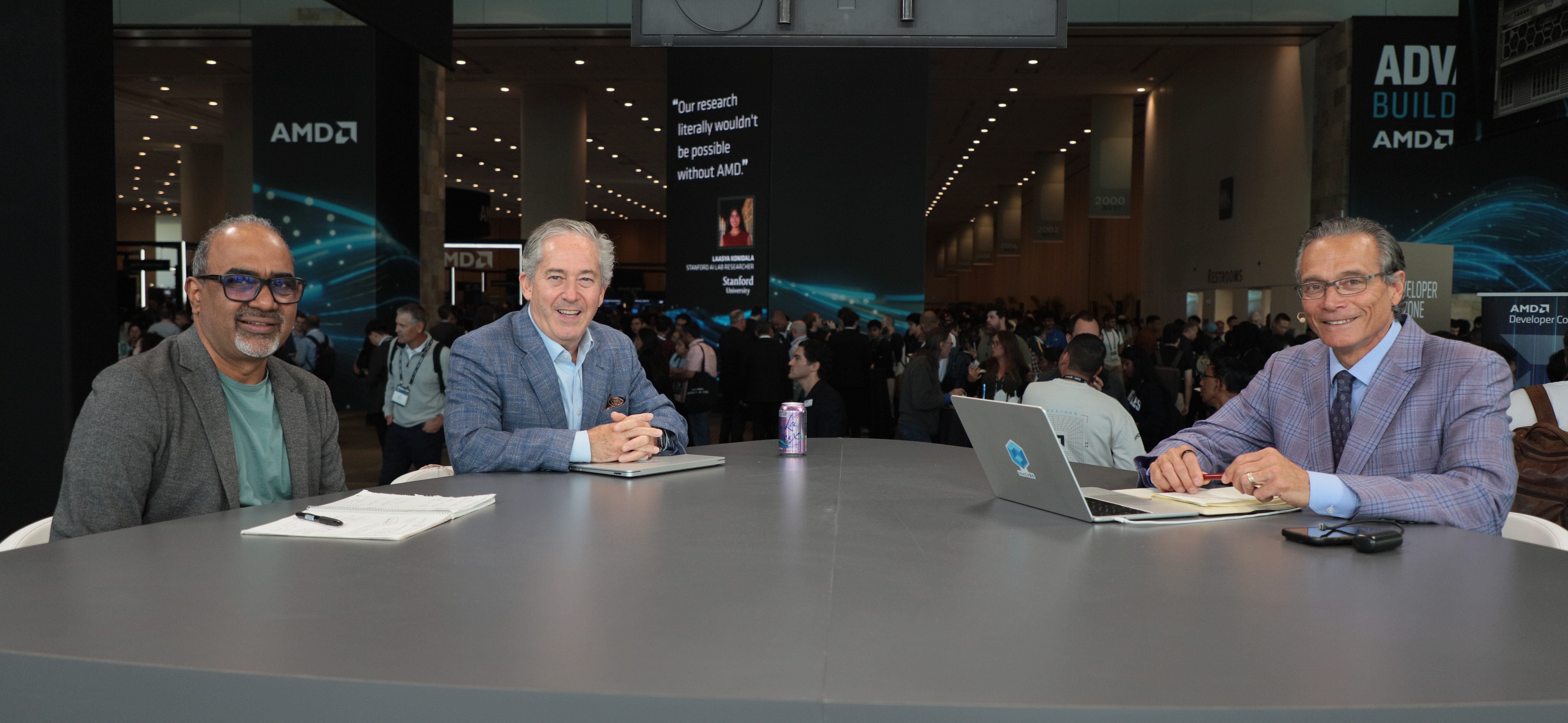
Samsung Electronics and Broadcom have signed a memorandum of understanding for a chip supply and manufacturing deal valued at over $200 billion. The agreement covers memory chips, foundry services, and advanced packaging focused on artificial intelligence semiconductors. It spans five years, running through 2030, and was announced at an AI summit in San Francisco.
Why it matters
The scale and scope of this deal show Samsung is staking a major claim in AI hardware supply chains. Covering critical layers like memory and foundry services means Samsung will handle key manufacturing steps, not just component supply. For Broadcom, locking in such a long-term partnership secures capacity and technology access in an increasingly competitive chip market shaped by AI demand.
This deal intensifies pressure on rivals like TSMC and Micron, who also serve AI chip makers. It also signals that advanced packaging—a technique to stack and connect chips—remains crucial as AI workloads require faster, more efficient data movement on silicon. For chip buyers and AI builders, this could affect pricing and availability as Samsung’s deal ties up substantial production capacity.
Who gains and who gets squeezed
Samsung gains stable, large-scale revenue and strengthens its foundry position against giants like TSMC. Broadcom locks in production reliability and cost predictability for AI-related chips, making its own downstream products more competitive.
Smaller chip makers or foundry customers might face tighter capacity or higher prices as Samsung prioritizes Broadcom’s business. Competitors in memory or packaging technology need to innovate or cut costs to maintain market share. Buyers of AI semiconductors will want to watch how supply evolves and whether this deal shifts pricing or delivery timelines.
What to watch next
Watch for announcements on specific chip technologies and production ramps from Samsung tied to this deal. How Samsung integrates foundry and packaging capabilities for AI workloads will reveal if it can challenge TSMC’s dominance.
Broadcom’s product roadmap shifts or new AI chip designs leveraging Samsung’s capacity will also signal how this partnership changes competitive dynamics. Finally, monitor pricing and supply trends in memory and AI chip markets, as this deal could tighten or stabilize availability in the years ahead.
AI Quick Briefs Editorial Desk