Sam Altman calls for US-led international forum to set global AI standards
What happened
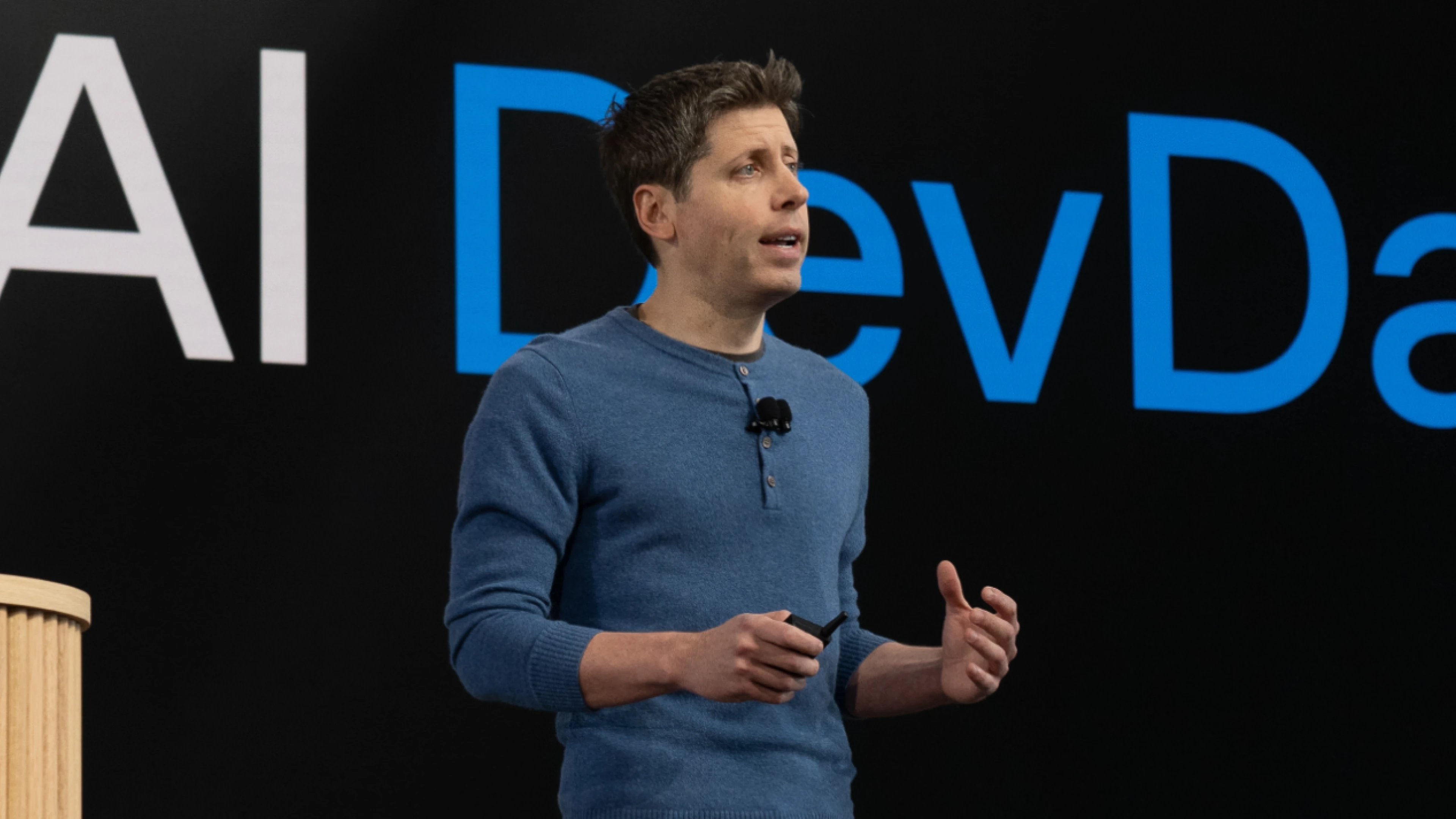
Sam Altman, CEO of OpenAI, called for a US-led international forum to set global safety standards for artificial intelligence. In an op-ed published in the Financial Times, Altman argued that no single country should dominate AI development or regulation. He proposed creating a platform to agree on accepted standards and leverage expert oversight to promote safer AI globally.
Why it matters
AI is advancing rapidly, but its risks and rewards are global. Without coordinated standards, competing national rules could fragment markets, slow innovation, or lead to regulatory loopholes. Altman’s call pushes for US leadership in shaping common safety benchmarks to avoid unilateral control by any country. This approach pressures governments and companies to align on technical and ethical AI guardrails, raising the stakes for compliance and transparency.
For businesses and developers, international standards could reduce compliance complexity by creating clearer, unified rules. For investors and operators, an agreed framework might limit exposure to sudden local bans or restrictions. At the same time, the move signals that AI safety will increasingly be codified and enforced beyond company silos or individual countries, affecting deployment pace and costs.
What to watch next
Tracking the US government’s response will be key. Whether policymakers form or join such an international AI safety forum will indicate how seriously they prioritize multilateral governance. Details on who sets the standards, enforces them, and balances innovation with control will shape how companies build and deploy AI in global markets.
Watch for participation from other leading AI countries and companies, since inclusivity is critical. The forum’s impact depends on buy-in from China, the EU, and others, or standards risk becoming US-centric and less effective. Also monitor how this evolves alongside ongoing AI regulations in Washington and Brussels, as overlapping efforts could complicate compliance for operators.
AI Quick Briefs Editorial Desk