Robinhood opens its platform to AI agents for trading and credit card spending
What changed
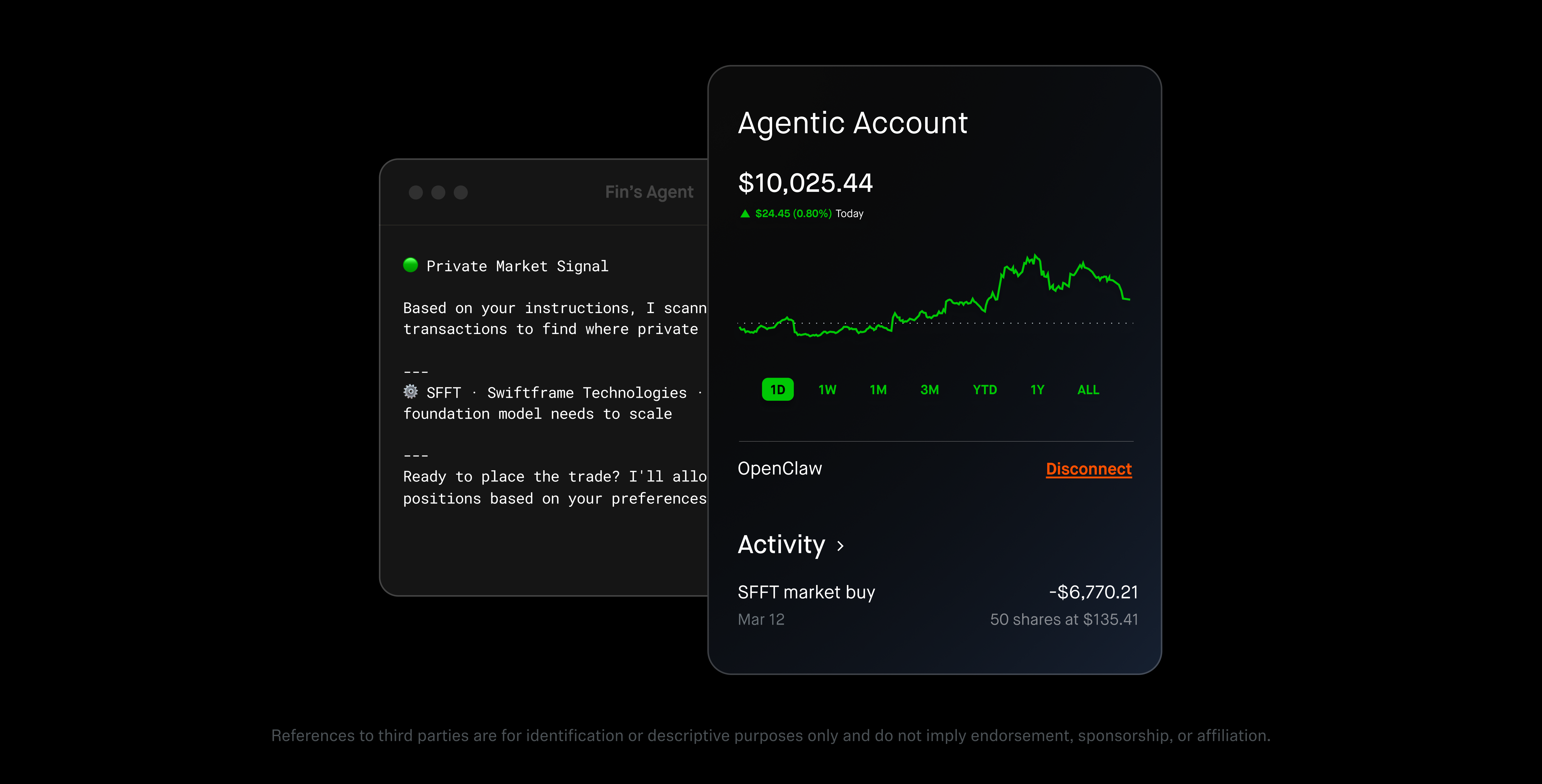
Robinhood has enabled third-party AI agents to interact directly with its trading and banking platforms. It launched Agentic Trading in beta along with a virtual Agentic Credit Card that lets AI agents place stock trades and make purchases on behalf of customers. This integration works through Model Context Protocol servers, providing a standardized way for external AI services to access Robinhood accounts securely.
Why builders should care
Connecting AI agents to real money accounts shifts the conversation from experimental AI trading simulators to live asset management and spending. Builders developing AI that understands market signals or personal finance now have a pathway to embed autonomous decisions into brokerage and payment flows. This pressures developers to focus on robust risk management, compliance, and seamless user intent interpretation, or risk costly errors that affect real funds.
The practical takeaway
Operators and startups building AI financial agents can leverage Robinhood’s open platform as a proving ground and distribution channel. It lowers friction for deploying AI-powered portfolio managers or smart credit card assistants. However, opening customer accounts to external AI introduces new attack surfaces and privacy concerns, making security and customer control crucial priorities. For customers, this tech promises more hands-off investing and spending, but only if agents behave reliably and transparently.
What to watch next
The next signs to monitor: how Robinhood handles compliance and fraud risks with AI by proxy; agent performance and error rates in trading and purchases; and user uptake of the Agentic Credit Card. Watch for competitors responding by opening their own platforms or enhancing AI guardrails. Observing how regulators react to autonomous AI moving real money will also signal broader industry shifts.
AI Quick Briefs Editorial Desk