Report: AI chipmaker Cerebras to increase IPO price target amid surging investor demand
What happened
Cerebras Systems, a key player in AI chipmaking, is preparing to raise the price range for its initial public offering. The company plans to set its IPO price between $150 and $160 per share, up from its earlier range. Investor appetite for Cerebras shares is strong enough to support a bigger and more expensive offering.
Why it matters
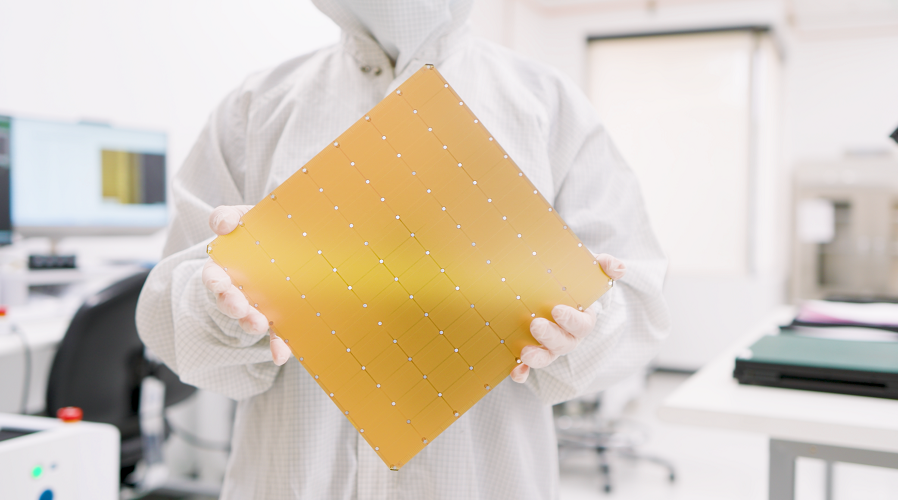
Cerebras makes specialized AI chips designed to accelerate machine learning workloads, a segment with growing demand as AI models get bigger and more complex. By increasing its IPO price, Cerebras is signaling confidence in its technology and market position. For investors, the hike means the company’s valuation is higher, reflecting optimism about the AI hardware sector’s growth. For buyers of AI infrastructure, sustained capital influx into Cerebras could drive faster innovation and product availability.
The upward adjustment also puts pressure on competitors to justify their pricing and value. Chipmakers lagging in performance or R&D investment may face tougher capital access, while customers could see narrower options or higher costs if supply tightens. Cerebras’s move tightens the spotlight on AI chip valuations as the market balances hype with actual chip performance and roadmap delivery.
What to watch next
Pay attention to the final IPO pricing and size when Cerebras goes public. The actual numbers will reveal how deep investor demand runs. Follow how Cerebras channels this capital to scale production and R&D, which will test whether the premium pricing translates into sustained competitiveness.
Also watch how competitors like Nvidia and Graphcore respond, both in product announcements and financing. Cerebras’s pricing move could trigger a ripple effect on valuations in AI hardware startups and shape where AI infrastructure providers allocate investment.
For operators considering AI chip supply deals or deployments, track how this funding round affects Cerebras’s product availability and pricing strategy compared with offerings from alternative chip vendors.
AI Quick Briefs Editorial Desk