Podcast: Mark Zuckerberg’s ‘Superintelligent’ AI Future That No One Wants
The business move
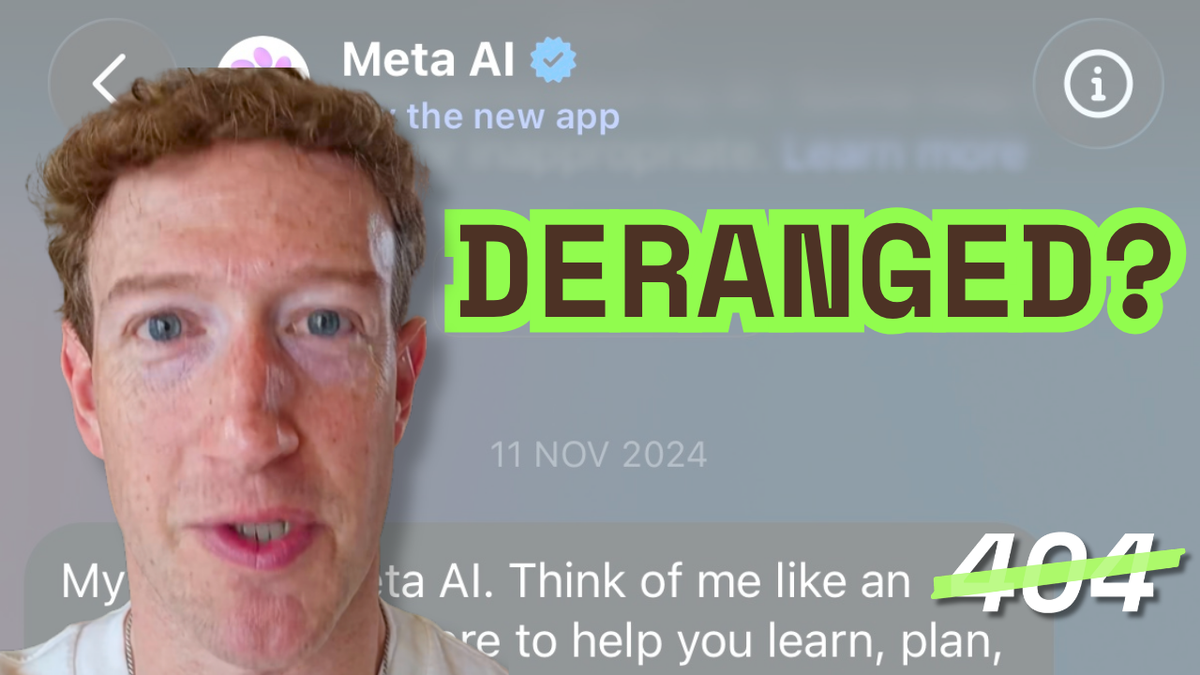
Mark Zuckerberg is pushing a vision of a “superintelligent” AI future centered around Meta’s own technology stack. Meanwhile, behind the scenes, a startup promises human-quality writing on demand, but it’s revealed their service is purely AI-generated content repackaged as human work. Meta is also shifting focus from its original Flock app to Axon, signaling a strategic move in its AI-related products.
Why it matters
Zuckerberg’s push for a superintelligent AI aligns with Meta’s bet to regain power in social and AI-driven platforms, though the vision raises valid concerns about social fragmentation and user alienation. The fake human writing service underscores how AI is commoditizing content creation, challenging traditional freelance and agency models by forcing operators to rethink how content creation is sourced and verified. The pivot from Flock to Axon hints at Meta’s struggles and recalibration in AI product-market fit, adding uncertainty for partners and developers built on these platforms.
Who gains and who gets squeezed
Meta stands to gain by doubling down on AI leadership, potentially locking in more users and data. Content creators and agencies risk commoditization as AI-generated content becomes indistinguishable from human work, squeezing traditional freelance economies. Developers tied to Flock face uncertainty due to the Axon transition, risking disruption unless they adapt quickly. Companies relying on genuine human content must differentiate sharply or face a flood of cheap AI substitutes that weaken trust.
What to watch next
Watch how Meta’s AI ambitions translate into user engagement and new AI product launches. The market’s reaction to fake human content services will pressure transparency and quality standards in content sourcing. Closely follow Meta’s Axon rollout for insights on how AI-first product strategies might evolve or stumble. This phase could reset expectations for AI-driven social and content ecosystems and redefine competitive dynamics for startups and incumbents alike.
AI Quick Briefs Editorial Desk