Podcast: How Deepfakes Destroyed a High School
What happened
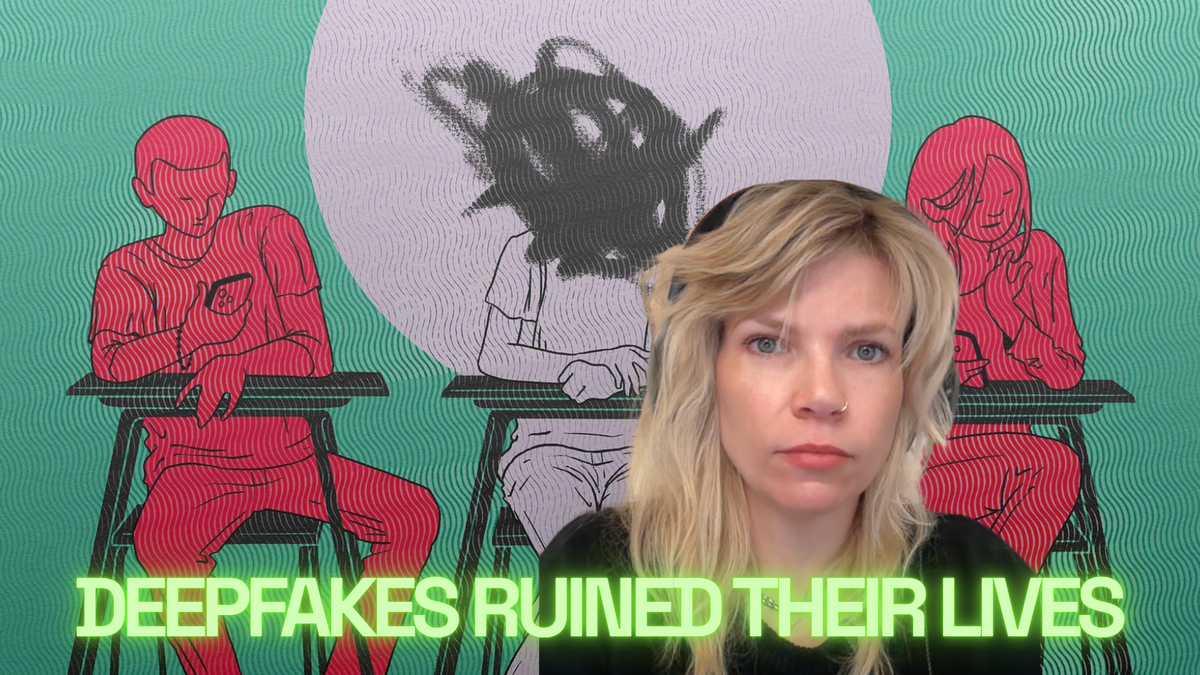
Deepfakes caused a major disruption at a high school when manipulated videos circulated, falsely implicating students and creating chaos. At the same time, BusPatrol, a company using AI-powered cameras on school buses, handed over real-time data to law enforcement. The episode also highlighted a significant traffic crash involving autonomous vehicle technologies.
Why it matters
The high school deepfake incident exposes how easily AI-generated synthetic media can undermine trust in communities by spreading false information faster than it can be debunked. Schools and local authorities now face increased pressure to detect and counteract deepfake abuses quickly or risk escalating conflicts and reputational damage. BusPatrol’s cooperation with police shows how AI surveillance data is poised to shift power dynamics between private companies, public agencies, and citizens. This raises privacy and data governance concerns that operators deploying similar AI camera systems must address. The reported crash involving autonomous technology also serves as a reminder of the real-world safety risks and liability challenges that come with widespread AI deployment in transportation.
What to watch next
Operators and policymakers should watch for emerging tools focused on deepfake detection and verification to protect vulnerable social environments like schools. Meanwhile, businesses building AI camera or sensor networks must anticipate tighter regulatory demands around data sharing with law enforcement. The crash underlines the need for stricter testing and transparent reporting of AI-driven vehicle incidents to build public trust and clear operational standards. How entities balance safety, privacy, and accountability will define AI’s practical role in sensitive community settings moving forward.
AI Quick Briefs Editorial Desk


