OpenAI wants ChatGPT to see your bank account. The pitch is convenience. The risk is everything else.
What happened
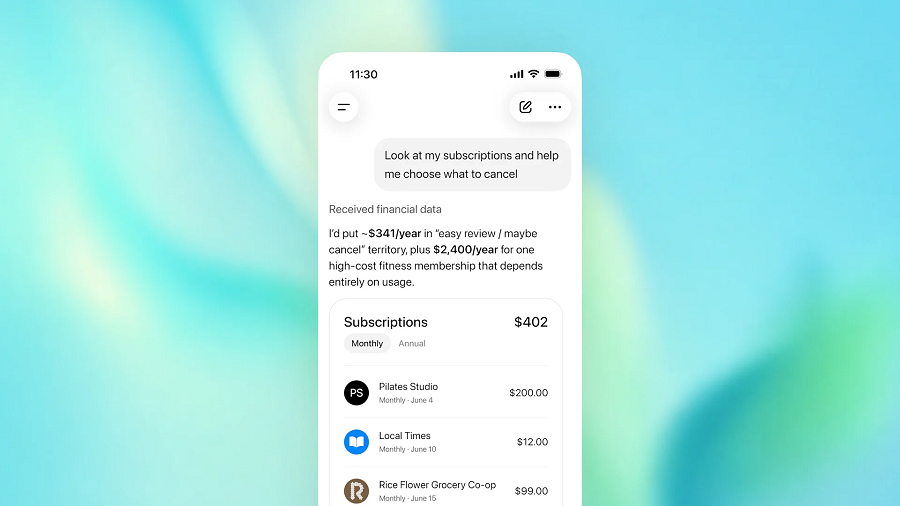
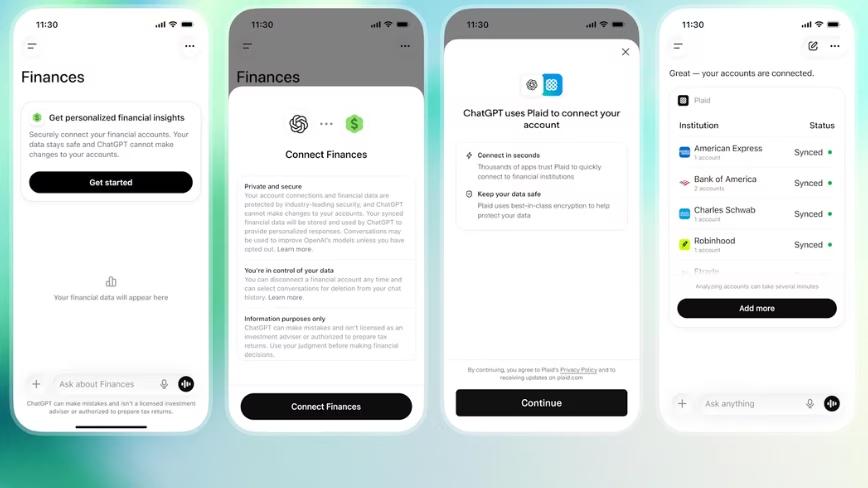
OpenAI launched a new personal finance feature inside ChatGPT on May 15. This allows US-based ChatGPT Pro subscribers on web and iOS to link their bank accounts, credit cards, investments, and loans directly to the chatbot. Using Plaid’s infrastructure, ChatGPT can access real financial data to answer money-related questions and provide tailored insights.
Why it matters
This move shifts ChatGPT from a general-purpose assistant toward a financial dashboard and advisor. Connecting real financial accounts offers unprecedented convenience: users can ask for spending breakdowns, budget tips, portfolio summaries, or loan status without switching apps. For operators and product teams, embedding live financial data into AI chat interfaces marks a notable integration trend, blending conversational AI with sensitive, transactional information.
However, the approach raises significant data security and privacy concerns. Giving an AI chatbot direct access to bank-level data concentrates risk. Users must trust OpenAI’s safeguards against breaches, unauthorized use, or biased financial advice. Regulators and compliance teams will likely watch closely how this data access is managed and protected.
What to watch next
Monitor how OpenAI handles user privacy, data encryption, and compliance with financial regulations like GDPR and CCPA. Watch for expansion beyond the US and Pro tiers, since broader access will raise stakes. Also, evaluate how competitors in fintech and AI respond with their own integrations or warnings, shaping the market for AI-powered personal finance tools.
Developers building consumer finance or chatbot apps should explore how deep integrations like this can enhance user engagement — but also plan robust security controls. Investors and lenders should assess if this kind of feature drives customer stickiness or introduces new liability risks. The success or failure of this bold linked-data approach will set a precedent for AI’s role in financial services.
AI Quick Briefs Editorial Desk