OpenAI President Greg Brockman grilled about his $30B personal stake and ‘duty to humanity’
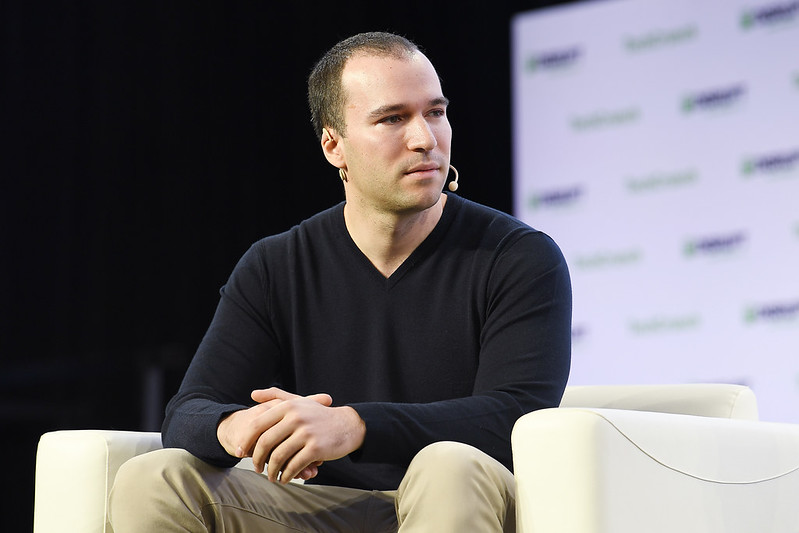
OpenAI President Greg Brockman revealed in a high-profile court hearing that his personal stake in OpenAI is valued at nearly $30 billion. This disclosure is part of Elon Musk’s civil lawsuit, which claims the company abandoned its original nonprofit mission to generate enormous private wealth. Musk argues that this shift conflicts with OpenAI’s duty to put humanity’s interests first, raising questions about the balance between profit and ethical responsibilities in AI development.
This matter is significant for anyone following AI technology because OpenAI is one of the leading forces driving artificial intelligence innovation. The lawsuit challenges how AI companies operate financially and ethically, impacting public trust and regulatory scrutiny. Developers, businesses, and the public rely on these companies to guide AI safely and fairly, so questions about motivations and priorities matter. The trial could influence broader debates on AI governance and the role profit motives should play in technology that affects billions of people.
OpenAI was founded as a nonprofit, with a mission to ensure that artificial general intelligence benefits all of humanity. Over time, the organization restructured as a capped-profit company to attract private investment necessary for expensive AI research. Elon Musk, an initial co-founder who later departed, has expressed concerns that this change diluted the mission in favor of massive financial gains by insiders. His lawsuit contends that the scale of Brockman’s stake illustrates this shift away from nonprofit ideals and towards capitalist interests.
This case highlights a tension in the AI field: how to fund cutting-edge AI while safeguarding the public good. With investments and commercial products growing faster than regulation, it is vital to scrutinize how companies like OpenAI balance risk, profit, and ethical duties. Brockman’s $30 billion valuation sends a strong message that AI leadership roles now come with unprecedented personal fortunes. This could lead to greater calls for transparency and oversight, and regulatory bodies may try to impose clearer rules on equity, governance, and public accountability in AI companies.
Going forward, watch how this trial influences investor confidence and regulatory approaches to AI firms. The outcome may set precedents for how much wealth and power AI entrepreneurs can accumulate without broader societal checks. The question remains whether OpenAI, and others like it, can maintain their founding missions in an extremely competitive, lucrative AI industry or if they will become purely profit-driven corporations. How this balance is struck will shape the future development and deployment of AI technologies worldwide.
— AI Quick Briefs Editorial Desk