One OS, two speeds: How Red Hat Enterprise Linux is bridging AI innovation and enterprise stability

What changed
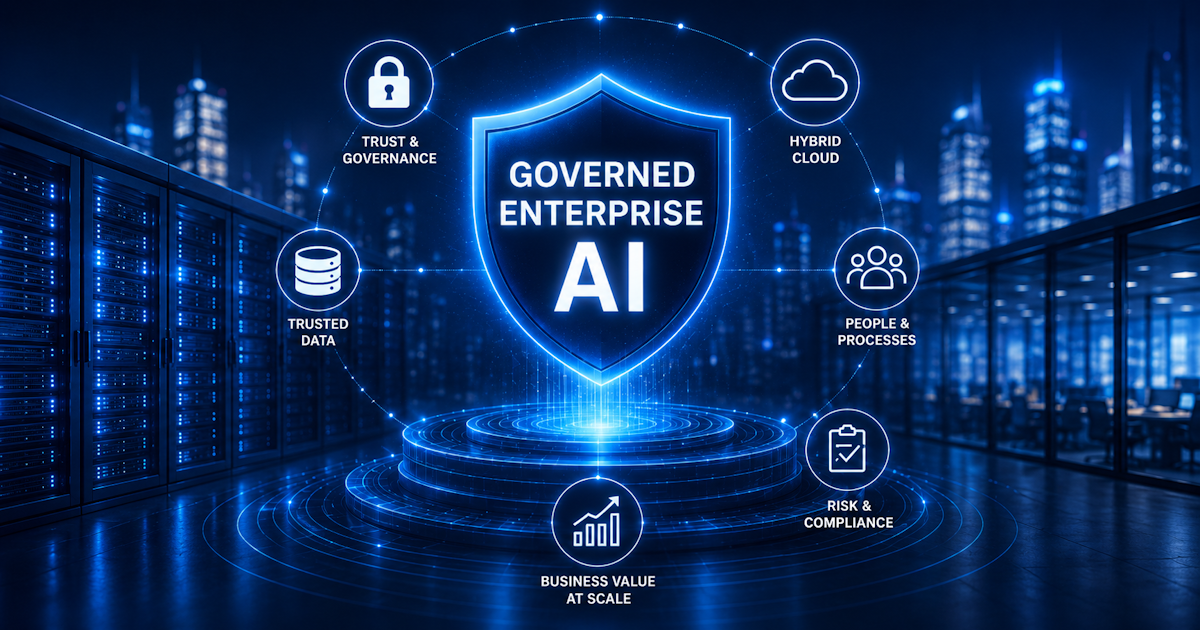
Red Hat Enterprise Linux (RHEL) is shifting from its traditional role as the steady foundation of enterprise IT to becoming a key control plane for AI-driven autonomous systems. With 20 years as a stable backbone, RHEL now faces the dual challenge of delivering reliability for core enterprise workloads while adapting to the rapid innovation pace AI demands. This means RHEL is evolving to support not just static applications but dynamic AI workflows with governance and operational controls integrated at the OS level.
Why builders should care
AI projects struggle when the underlying infrastructure can’t keep up with experimentation speed or production demands. RHEL’s move recognizes that AI isn’t just another workload but a new operational paradigm requiring both agility and rigor. Builders working on AI-driven products gain a consistent platform that balances rapid iteration with enterprise-grade security and compliance. This helps prevent scenarios where AI innovation outpaces the infrastructure’s ability to enforce policies or scale reliably, reducing development friction and operational risk.
The practical takeaway
For teams building or deploying AI systems in enterprise environments, RHEL’s evolution means fewer platform surprises and better integration with existing IT governance. This consolidates infrastructure for AI and traditional apps, reducing the complexity of managing separate stacks. Operators can expect more mature tooling for controlling autonomous systems, which helps automate policies without sacrificing reliability. The shift encourages a disciplined approach to AI lifecycle management that better fits enterprise risk and compliance requirements.
What to watch next
Keep an eye on how RHEL integrates AI governance features like workload isolation, policy enforcement, and telemetry within the OS itself. Also watch ecosystem support for AI tools and frameworks on RHEL, especially Red Hat’s approach to upgrading and patching AI-driven workloads without downtime. Finally, see if competitors pivot their enterprise Linux or OS strategies to capture these new AI infrastructure demands, as this could reshape how organizations manage AI in production.
AI Quick Briefs Editorial Desk