On theCUBE Pod: Black Hat exposes agentic threat, theCUBE remembers David Floyer

What happened
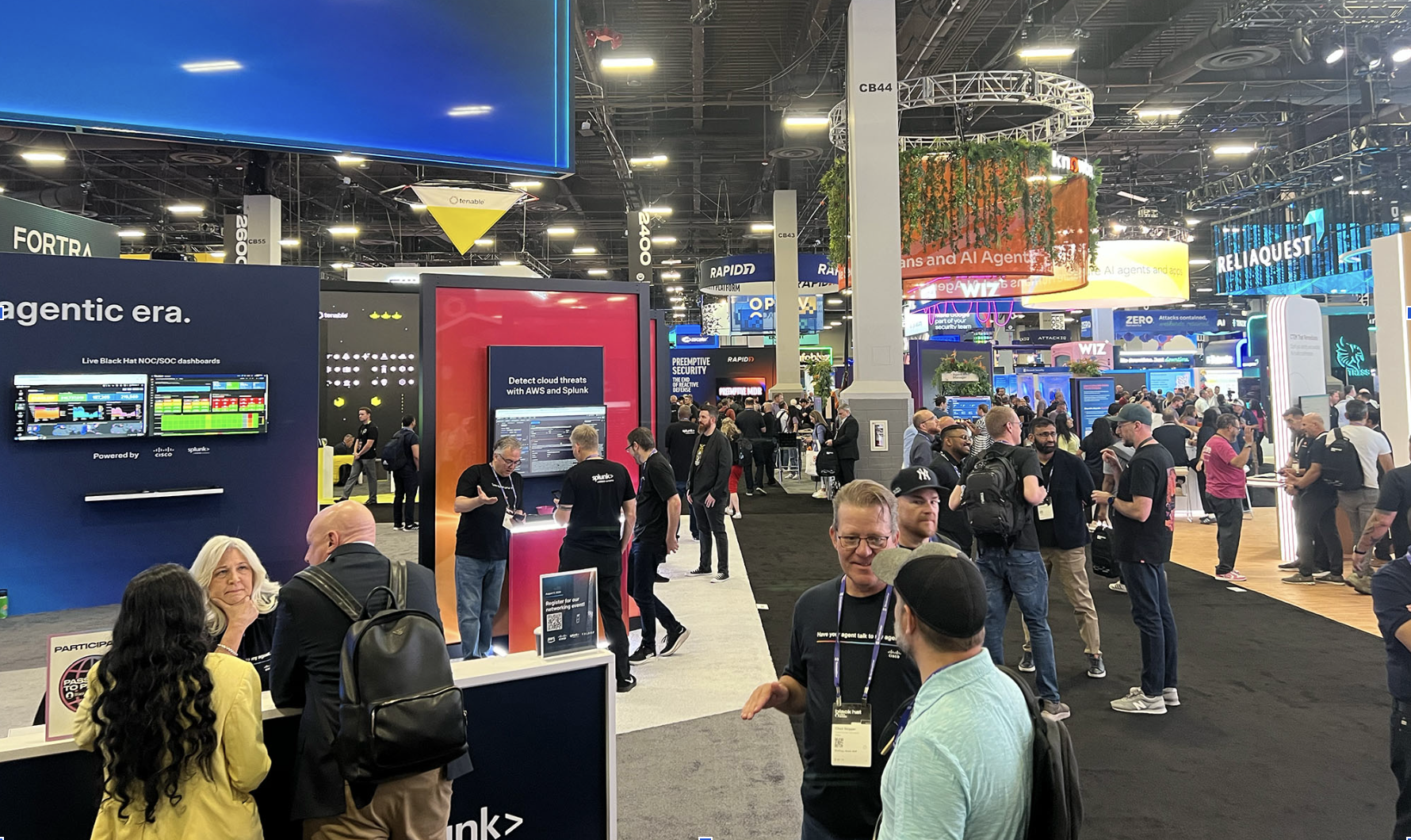
Black Hat USA brought renewed attention to the sharp rise of AI-driven cyberattacks. Security experts at the event warned that autonomous, “agentic” AI systems are accelerating threat capabilities beyond what current cybersecurity defenses can handle. Dave Vellante, chief analyst for theCUBE Research, described this as a “sky is falling” threat reflecting a widening gap between offense and defense in cybersecurity. The energy grid and other critical infrastructure are struggling to keep pace with AI-generated attacks. TheCUBE also took time to remember David Floyer, an influential figure in IT analytics, honoring his impact on the field.
The risk
Agentic AI systems can independently make decisions and take actions in cyberspace. This autonomy allows attackers to launch sophisticated, adaptive campaigns faster and at scale without human oversight. It significantly compresses the timeframe defenders have to detect, analyze, and mitigate threats. The energy sector, already a high-risk target, is especially vulnerable due to outdated security postures struggling to accommodate these new AI-powered tactics. The result is a growing disconnect between attacker innovation and defender readiness.
Why it matters
For operators and security teams, the evolving AI threat means traditional reactive defenses will not suffice. Organizations must accelerate investment in AI-powered detection and response tools capable of reasoning at machine speed and adapting dynamically. The risk profile for energy providers and critical infrastructure operators is rising, with cascading effects for national security and economic stability. Investors and executives should factor in heightened cybersecurity costs and potential liability as AI-driven attacks become routine. The widening offense-defense gap puts a premium on real-time threat intelligence and automation in security workflows.
Who should pay attention
Energy operators, critical infrastructure managers, cybersecurity teams, and technology investors must watch this threat closely. Founders and builders of security platforms need to prioritize autonomous and adaptive AI defenses. Regulators and policymakers should consider how to pressure improved cyber resilience in sectors vulnerable to AI-powered intrusions. Meanwhile, security watchdogs and incident responders must refine tactics for AI-induced rapid escalation in attack complexity.
What to watch next
The next phase will focus on how security providers integrate agentic AI detection into their toolsets and the regulatory response around critical infrastructure protection. Progress or lag in updating energy sector cybersecurity could serve as a bellwether for wider market risk. TheCUBE Research and other intelligence forums will likely dive deeper into balancing AI’s operational benefits against its weaponization in cyberattacks. Watch for new partnerships between AI innovators and defense teams building hardened autonomous shields and rapid response systems.
AI Quick Briefs Editorial Desk