Oligo Security raises $60M as AI speeds up exploit development
What happened
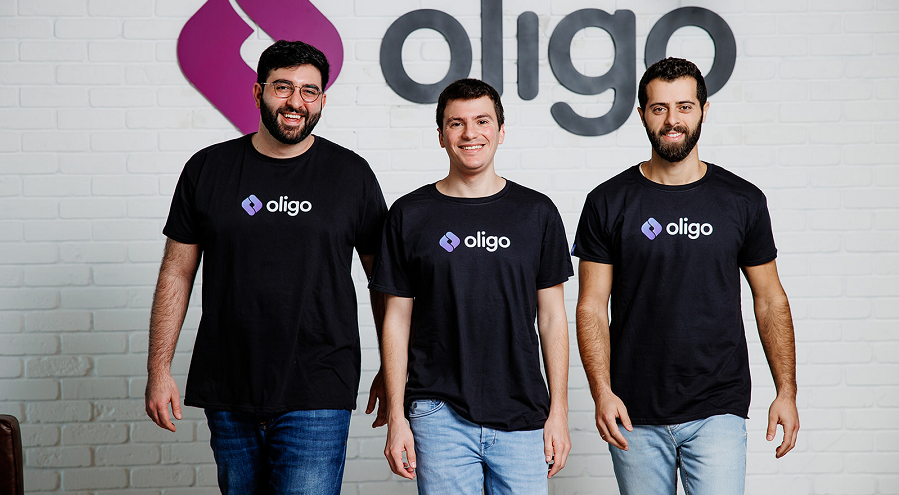
Oligo Security raised $60 million in new funding aimed at accelerating product innovation and expanding its global sales and marketing efforts. The runtime security startup develops software that integrates directly with production applications. It uses a sensor based on eBPF, a Linux kernel capability, to monitor which library functions a running workload actually calls. This approach helps reduce false positives by focusing on exploitable vulnerabilities relevant to the specific application behavior.
Why it matters
The rise of AI-generated exploit development has compressed the timeline for attackers to weaponize software vulnerabilities. That speeds up the arms race between attackers and defenders. Oligo’s technology addresses a key challenge for security teams: traditional vulnerability scanners generate overwhelming volumes of false positives by flagging all vulnerable code, not considering whether the vulnerable functions are actually used at runtime. By filtering vulnerabilities based on what the application dynamically calls, Oligo tightens security by prioritizing real exposure.
This matters for security operators and software teams who increasingly face pressure to deliver security controls without disrupting development velocity. Oligo’s runtime sensor provides practical visibility into actual exploit surfaces—helping prioritize remediation and reduce noise. The infusion of $60 million also signals investor confidence in runtime AI-driven detection as a growing segment in security.
What to watch next
How Oligo leverages this funding to expand product capabilities and go-to-market reach will be key for its positioning. Watch for integrations with common CI/CD and cloud environments to deliver runtime security insights earlier in software delivery pipelines. Adoption by security-conscious enterprises under pressure to control AI-accelerated exploit risks can also indicate the technology’s practical traction. Finally, monitor the competitive landscape as other vendors attempt to match or extend runtime verification with AI-driven vulnerability prioritization mechanisms.
AI Quick Briefs Editorial Desk