Nvidia pitches RTX Spark as the chip that finally makes local AI agents practical on Windows devices

What happened
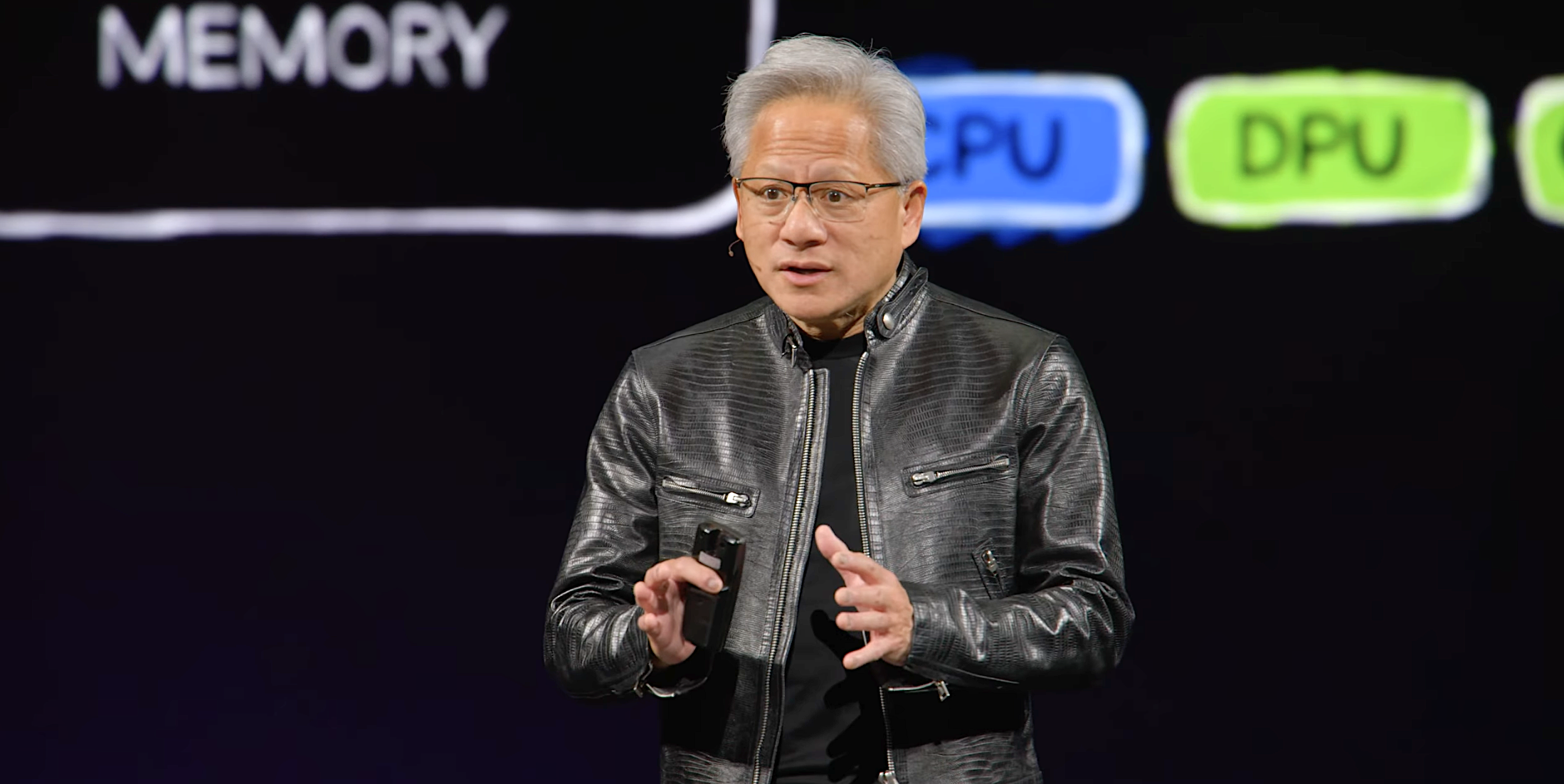
Nvidia announced the RTX Spark, a chip designed to boost local AI processing on Windows laptops. It combines the new Blackwell GPU architecture with an Arm-based Grace CPU and supports up to 128 GB of shared memory. This setup delivers around 1,000 trillion operations per second (TOPS) in FP4 precision, aiming to make running AI agents locally practical for the first time on Windows devices. Leading PC makers including ASUS, Dell, HP, Lenovo, Microsoft Surface, and MSI plan to ship devices with RTX Spark starting in fall 2026.
Why it matters
RTX Spark directly challenges Apple Silicon and Qualcomm’s hold on power-efficient AI computing in laptops by focusing on Windows hardware. The large shared memory pool and combination of GPU and CPU architectures facilitate high-bandwidth, low-latency AI workloads without needing to offload data to the cloud. For users and developers, this means faster, more secure AI processing on-device, which matters for privacy-sensitive applications and real-time interactive agents. It pressures competitors to upgrade their hardware or risk losing the edge in local AI performance.
What to watch next
Pay close attention to how quickly PC manufacturers integrate RTX Spark and the kinds of AI-powered applications they enable. The timing around fall 2026 suggests Nvidia is betting on a near future where local AI agents become common in Windows laptops. Also, watch Nvidia’s software and developer support to see if it lowers the barrier for AI builders to tap RTX Spark’s power efficiently. How Microsoft surfaces this hardware in its Surface line will be a key signal for enterprise adoption.
AI Quick Briefs Editorial Desk