NeuralTrust raised $20M to police the AI agents companies can’t even count
What happened
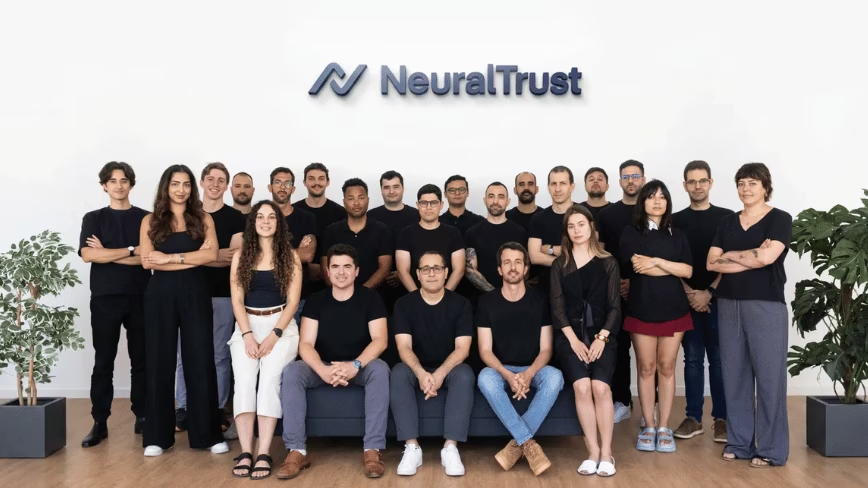
NeuralTrust, a Barcelona-based startup, secured $20 million in seed funding to develop security solutions for AI agents. These AI agents are rapidly multiplying inside large companies, outpacing the ability of those organizations to monitor and secure them effectively. The funding round, totaling €17.2 million, was led by Munich’s Alstin Capital and included backers such as VentureFriends, Seaya, Kibo Ventures, Banc Sabadell, EA Ventures Plug and Play Fund, Finaves, and public investment. NeuralTrust aims to tackle the growing challenge of policing AI agents that companies often cannot count or manage.
Why it matters
AI agents are increasingly embedded in corporate workflows, automating tasks and making decisions with minimal oversight. The rapid deployment of these agents means many organizations lack clear visibility or control over how they operate and interact. This creates new security vulnerabilities, from data leaks to unauthorized actions. NeuralTrust’s mission targets this blind spot by offering a way to track, secure, and govern AI agent activity at scale. For builders and enterprises, this means potentially better risk management when deploying AI agents embedded deeply in critical processes. Investors should note the growing market demand for AI agent security tools as adoption accelerates but governance mechanisms lag behind.
What to watch next
Operators should track NeuralTrust’s product developments and adoption by major companies running tons of AI agents. The startup’s ability to provide granular visibility and enforcement could set new standards for AI agent governance. Funding signals that this niche of AI security will attract more entrants, potentially increasing competition but also pushing innovation. For enterprises, integration of such solutions could become a baseline requirement as regulators and boards seek to limit AI-driven risks. The next 12 to 18 months will reveal how fast NeuralTrust can scale and influence corporate AI security practices.
AI Quick Briefs Editorial Desk