Microsoft AI bets on cheap specialist models instead of chasing the frontier

What changed
Microsoft AI is shifting its approach by focusing on small, cheap specialist models instead of building large, expensive general-purpose ones. Mustafa Suleyman, Microsoft AI CEO, explained that Microsoft relies on tailored models optimized for specific tasks, such as MAI-Cyber-1-Flash, which outperforms competitors on the CyberGym benchmark when combined with orchestrator software. This model reportedly costs half as much as Anthropic’s Mythos yet still depends on OpenAI’s capabilities for the hardest tasks.
Why builders should care
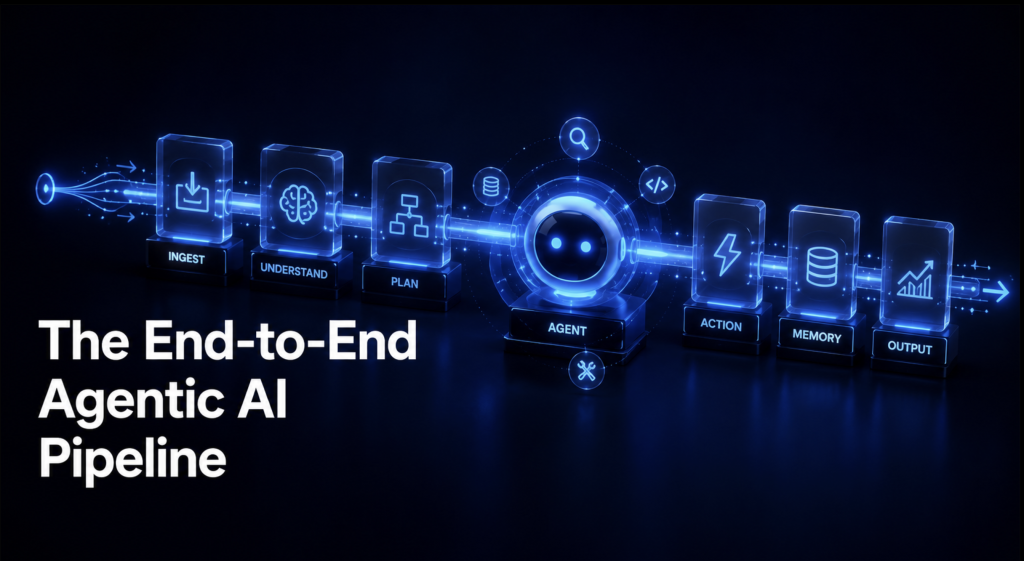
This approach changes how AI products will be built and deployed. Instead of betting everything on one massive model that handles everything but requires significant expense and compute power, operators can leverage cheaper, specialized models connected through orchestration software. This reduces operational costs and improves performance on niche problems. It also underscores that future competition will be less about single models and more about how effectively software routes and integrates multiple specialized AI components.
The practical takeaway
Building or buying AI solutions will increasingly involve managing multiple specialized models through orchestration layers. For builders and businesses, this means focusing on integrating efficient, task-specific models instead of waiting for the next big general model from OpenAI or others. Cost savings come from cheaper models handling most tasks, reserving expensive models for only the hardest problems. Successful operators will prioritize orchestration capabilities to deliver reliable, scalable AI workflows.
What to watch next
Observe how other AI vendors respond to Microsoft’s modular, orchestrated model strategy. The moves from Anthropic and OpenAI will be critical, especially if they push more into specialist models or orchestration platforms. Also, watch for new software tools designed to route requests between multiple smaller models efficiently. For users, the question will be if this approach can deliver better AI cost-to-performance ratios in real-world applications beyond cybersecurity benchmarks.
AI Quick Briefs Editorial Desk