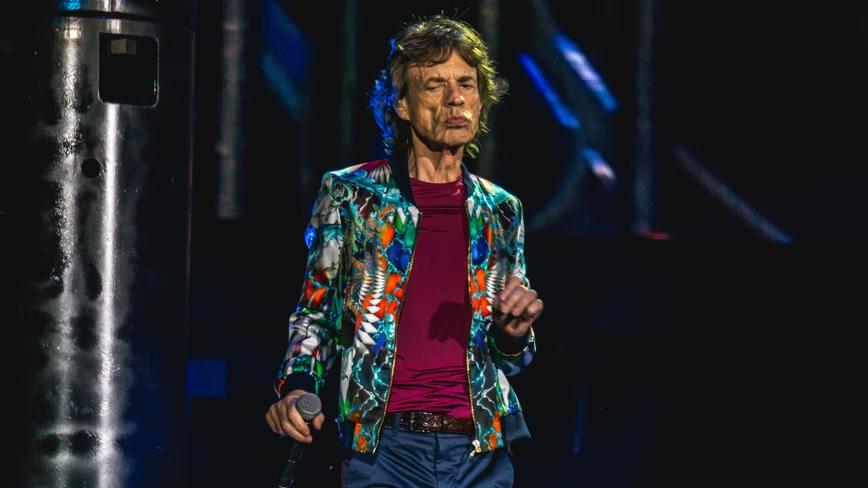
Mick Jagger says AI is fine for musicians, as long as it does not sound like him
What happened
Mick Jagger gave a conditional green light to musicians using AI in their music creation. Speaking to Billboard, he said AI-generated music is fine as long as it is original and not imitating his distinctive voice or style. His position encourages experimentation with AI in music but draws a clear boundary against replication of established artists.
Why it matters
Jagger’s stance puts pressure on AI music creators to focus on originality rather than cloning famous voices or sounds. For musicians and startups building AI tools, it signals that legal and ethical lines around voice synthesis and style mimicry remain a live issue. AI that tries to “sound like Mick Jagger” risks backlash and potential rights enforcement, increasing the risk and cost of using AI for music replication.
The music business must balance innovation with respect for artist identity. Jagger’s view underscores that artists value control over their unique likeness, which could slow AI-powered voice imitation projects or invite tighter regulations. For investors and engineers, this means AI music products that generate new sounds or styles have a clearer path than those that replicate established voices.
What to watch next
Tracking how music labels and regulators respond will be crucial. Will more artists join Jagger in setting creative boundaries for AI? Will legal frameworks tighten around voice and style cloning? For AI builders, watch for shifts in licensing models or the emergence of safeguards that prove originality and protect artist likeness. How companies navigate these boundaries will shape AI’s role in music for years.
AI Quick Briefs Editorial Desk