Meta face recognition for its glasses came from a Pentagon contractor, WIRED reports
What happened
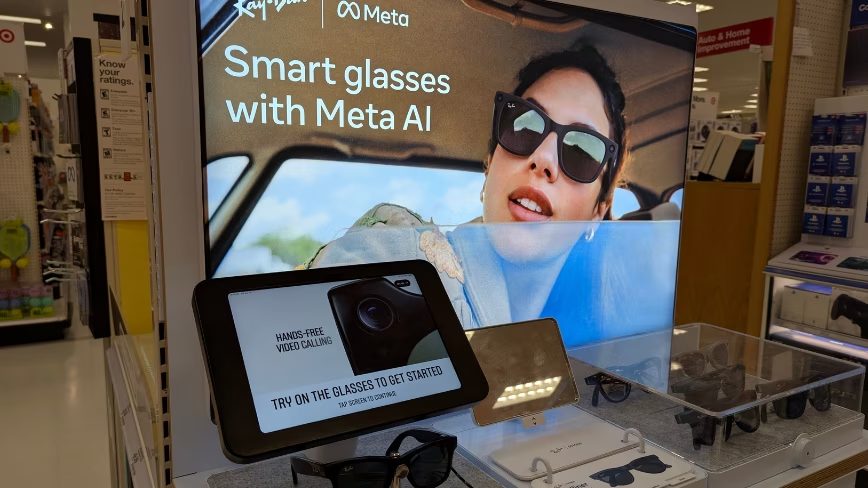
Meta’s face recognition system powering its smart glasses uses software licensed from Rank One Computing, a contractor that generates about 80 percent of its revenue from Pentagon and law enforcement contracts, according to a WIRED investigation. Reporters uncovered a leaked, still-active license agreement linking Meta to Rank One, a company known for military and police biometric technology. This connection was not public before and reveals the source of Meta’s biometric algorithms behind its wearable devices.
Why it matters
Meta’s reliance on military-grade biometric software pressures ongoing debates about privacy and ethical AI use in consumer products. It exposes how commercial facial recognition tech still depends heavily on government contractors embedded in surveillance and defense ecosystems. For operators and investors, this raises risks around regulatory scrutiny, user trust, and potential legal challenges tied to data usage and transparency.
This link also changes incentives for innovation in smart glasses by tying key capabilities to a vendor with deep government entanglements. It may slow industry-wide adoption if critics call for tighter controls on technologies associated with law enforcement and military surveillance practices. For businesses considering biometric features in wearables or other devices, supplier background checks just moved from optional risk management to essential due diligence.
What to watch next
Watch for regulatory investigations or legislative moves targeting AI-powered biometric devices, especially those leveraging technologies with Pentagon ties. Expect consumer advocacy groups to increase pressure on Meta and similar companies to disclose data sources and use cases fully. Keep an eye on how Meta responds publicly and what steps it takes to reassure users and regulators.
Emerging competitors may capitalize on the controversy by developing facial recognition that avoids government-contracted vendors, positioning themselves as more privacy-conscious or ethically aligned choices for enterprises and consumers. Operators building biometric systems should prepare for increasing demands on supply chain transparency, compliance, and risk mitigation.
AI Quick Briefs Editorial Desk