Meta AI Releases Muse Code (Beta): A Terminal Coding Agent Powered by the New Muse Spark 1.2 Model
What changed
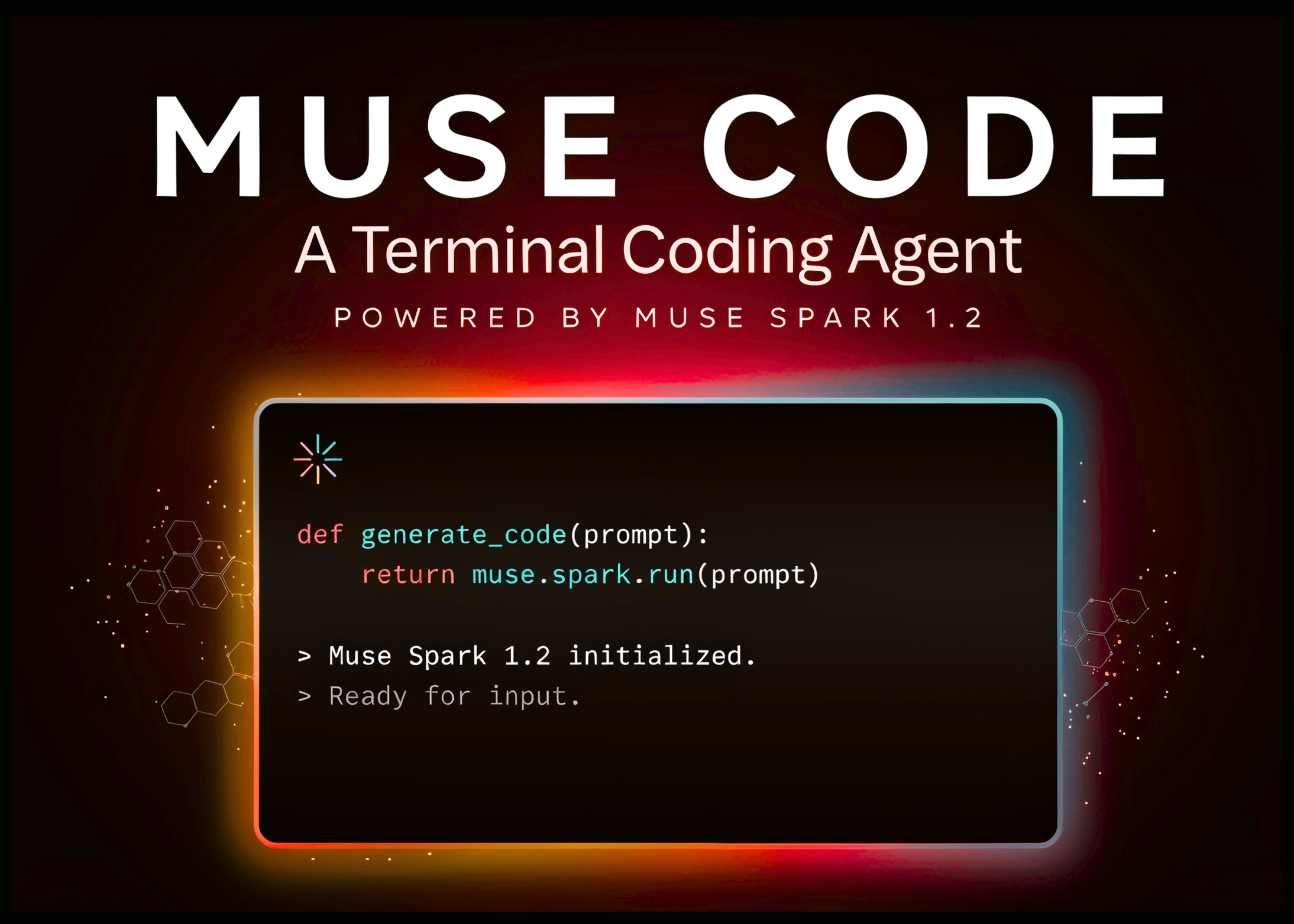
Meta Superintelligence Labs launched Muse Code in beta, a terminal-based coding assistant powered by their updated Muse Spark 1.2 model. Unlike many AI coding tools that handle requests task-by-task, Muse Code uses asynchronous background agents that remain live throughout the session. This design lets it manage complex, long-running codebases more smoothly. It also writes code, plans modifications, and verifies outcomes across large repositories, not just small snippets.
Why builders should care
Muse Code’s architecture addresses a key pain point for developers working with large projects: context loss and restart instability. By keeping a local append-only event log, Muse Code can replay exactly what happened during a coding session and recover seamlessly after crashes. This reduces downtime and repeated work. The Muse Spark 1.2 model behind it was co-trained with these runtime systems and optimized on long-horizon coding tasks, so it’s more fluent handling multi-step development in vast codebases.
The practical takeaway
For developers and teams juggling sprawling repositories, Muse Code promises tighter integration between AI and existing workflows. It plans changes across entire repositories, not just isolated files, and continuously validates its outputs. This can lower the risk of broken builds and reduce manual oversight. The session-level persistent agents mean fewer interruptions and better continuity during lengthy coding cycles. Muse Code may shift expectations for AI assistants from quick helpers to active, persistent collaborators.
What to watch next
How well Muse Code performs in real-world developer environments is critical. Performance on diverse codebases and languages, plus how easily it integrates with existing developer tools, will determine uptake. Watch for feedback on its stability in long sessions and the quality of its automated reasoning at scale. Also note if Meta expands Muse Spark 1.2’s capabilities or the event log system to other AI applications where crash-resilience and session memory matter.
AI Quick Briefs Editorial Desk