Knowledge graph architecture gives enterprises ownership of the AI intelligence they create

What changed
Knowledge graph architecture has moved out of academic theory and into active enterprise use for handling AI intelligence. Shan Rizvi, founder and context architect at Thumos Care, highlights that companies adopting this architecture can control and own the intelligence their AI systems generate. This shift means enterprises no longer have to rely on third-party AI outputs that are often black-boxed or disconnected from internal data.
Why builders should care
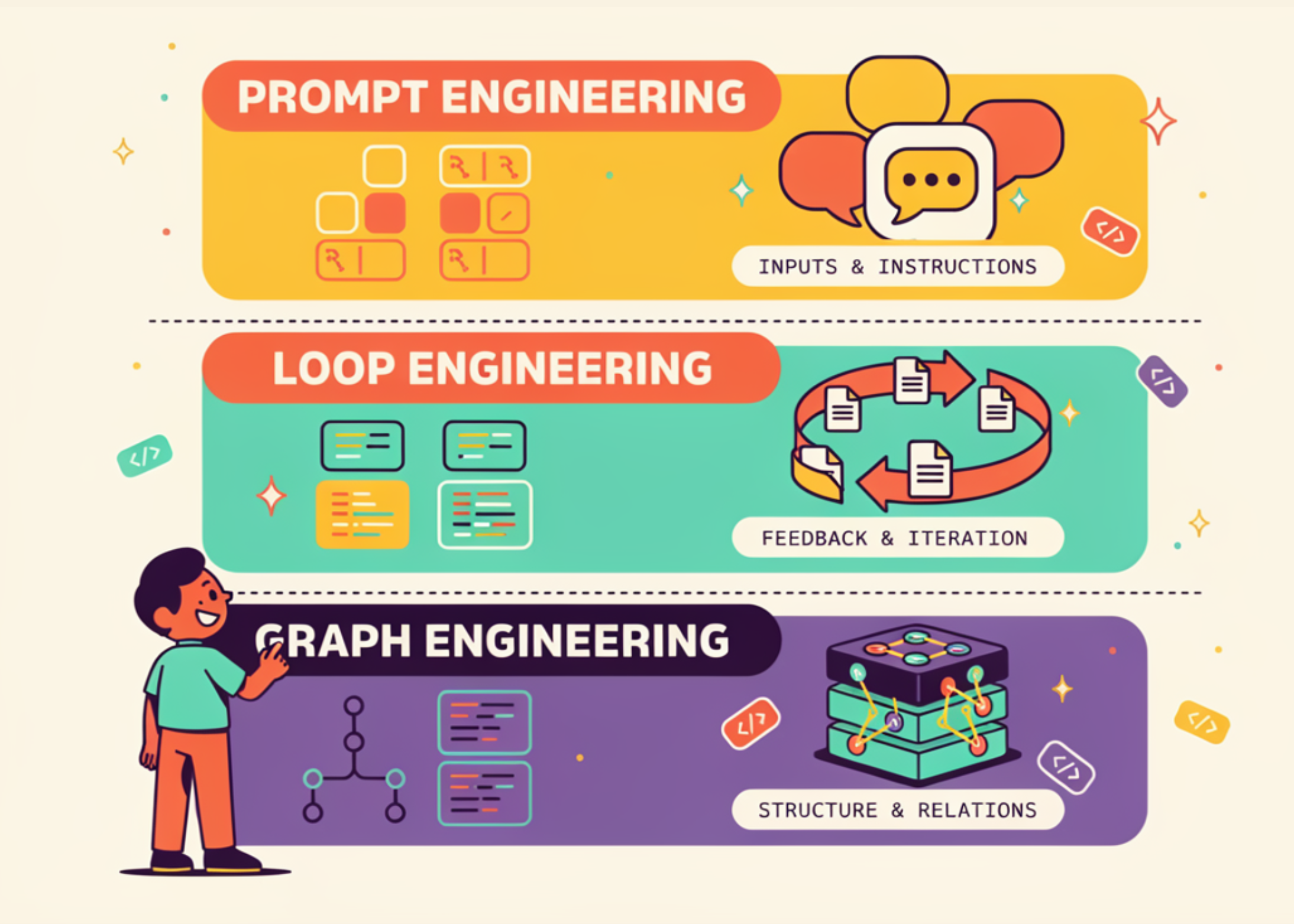
Knowledge graphs organize data into linked entities and relationships, creating a map of context that AI models can leverage to provide deeper insights and more explainable outputs. For builders and data architects, embedding knowledge graphs in AI workflows means gaining transparency and control over how AI interprets and expands enterprise data. This approach pressures vendors that offer generic AI solutions to provide more flexible, enterprise-aligned intelligence frameworks.
The practical takeaway
Enterprises implementing knowledge graph architecture can reduce operational risk by owning the provenance and meaning behind AI-generated intelligence. This architecture improves data integration across silos, lets teams evolve AI models with evolving business contexts, and ensures actionable insights remain grounded in owned data assets. The result is better alignment between AI output and strategic goals with less reliance on opaque external models.
What to watch next
Look for knowledge graph tools gaining traction in AI product stacks and enterprise data platforms. Vendors that blend graph databases, AI models, and custom context management will gain a foothold. Also, watch how companies articulate ownership and control of AI intelligence as a business differentiator. The debate over AI governance and data responsibility could accelerate adoption of knowledge graph architecture to meet those demands.
AI Quick Briefs Editorial Desk