K-pop Fans Are Calling Out Creepy Deepfakes of Idols
What happened
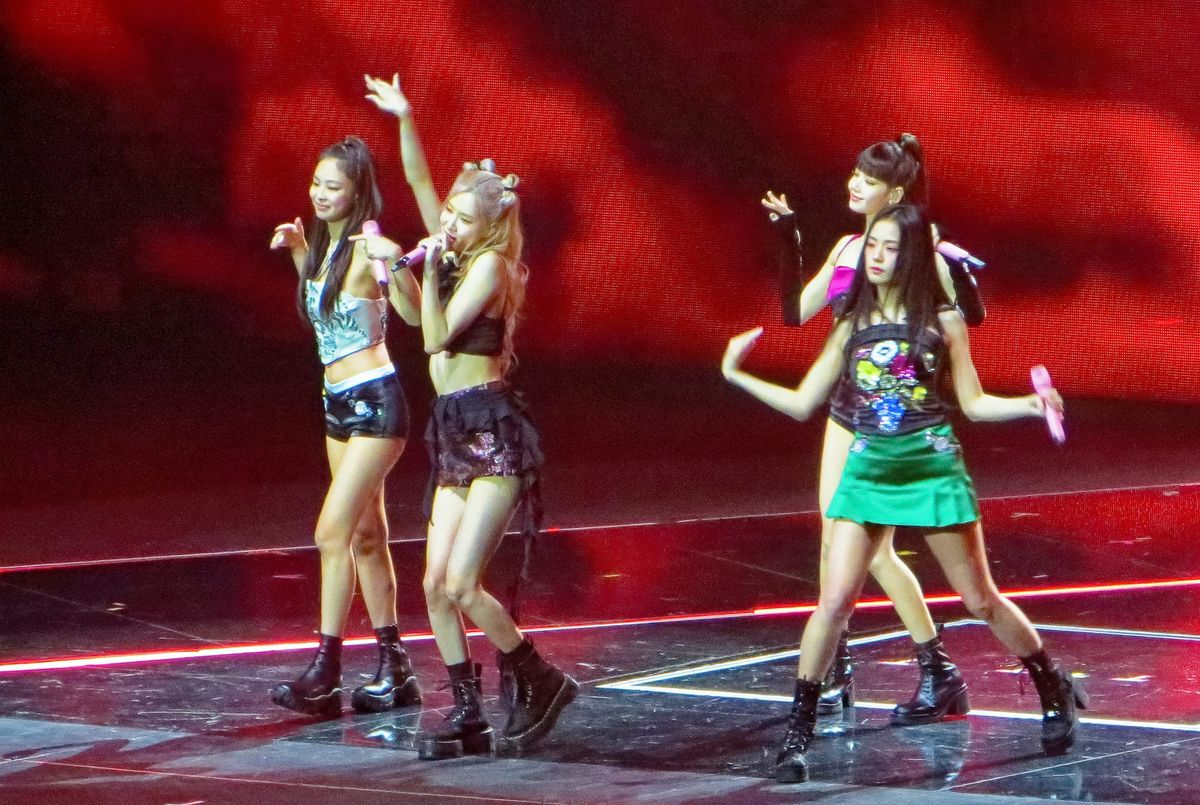
K-pop fans are pushing back against AI-generated deepfake images and videos that sexualize idols without their consent. Some individuals in the fandom have created unauthorized, AI-manipulated content portraying idols in inappropriate or explicit contexts. The rest of the fanbase has voiced strong opposition, actively calling out this behavior as invasive and exploitative.
Why it matters
This controversy underscores how powerful AI image and video generation tools can be used to cross ethical and legal lines in entertainment fan communities. Deepfakes like these blur the boundary between legitimate fan expression and harmful misuse of celebrity likenesses. For idols and their management, it increases the risk of reputation damage and personal privacy violations. For AI builders and platforms, the negative fallout ramps up pressure to enforce tighter controls and moderation policies on synthetic media. This situation also raises the cost of policing AI misuse as the technology grows more accessible.
What to watch next
Expect more community-driven efforts to identify and report inappropriate AI deepfakes across social platforms. Idol agencies may escalate legal or technical measures to curb unauthorized synthetic content. AI companies could face intensified scrutiny or regulatory demands to prevent misuse of their models for explicit or non-consensual content. Industry actors should monitor evolving norms around digital likeness rights and explore better detection tools for harmful deepfakes. The challenge will be balancing open innovation in AI generation with responsible safeguards against exploitation.
AI Quick Briefs Editorial Desk