Japan Thinks Swarms of Transformer Robots Could Explore the Moon
What happened
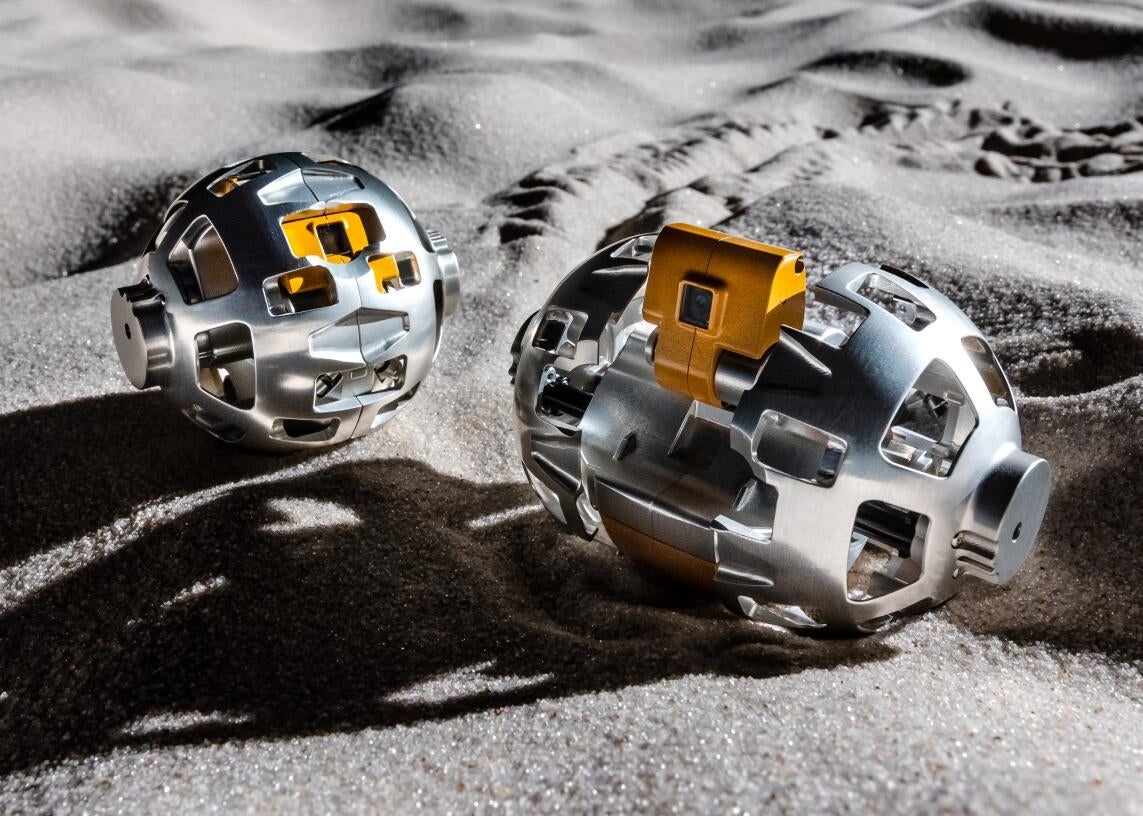
Japan’s space agency successfully operated a small transformer robot on the moon autonomously for over 100 minutes. The robot sent a series of images back to Earth, demonstrating both mobility and remote sensing capabilities. This mission showcased a prototype approach where many small, adaptable robots could be deployed in swarms for lunar exploration.
Why it matters
Swarms of small, transformer-type robots could transform lunar exploration by replacing a few large, expensive rovers with many smaller, versatile units. This can lower risks and costs by spreading tasks and enabling repairs or reconfigurations at scale. Operating autonomously on the moon proves the feasibility of such robotic swarms in harsh, remote environments where human intervention is costly or impossible. For space tech builders and investors, this signals a shift toward modular, AI-powered exploration tools rather than single heavy machines. It also pressures traditional rover manufacturers to innovate or risk obsolescence.
What to watch next
Observe how Japan and other space agencies develop these robots into operational swarms capable of complex missions like mapping, sample collection, and infrastructure setup. Pay attention to improvements in autonomy, communication across multiple units, and resilience against lunar conditions. Commercial players eyeing the moon for mining or construction might adapt similar swarm tech to reduce human presence and operational costs. The next steps will likely include scaling the number of deployed units and enhancing on-board AI for cooperative tasks.
AI Quick Briefs Editorial Desk


