Intel starts using ASML’s High NA EUV technology to produce chips
What happened
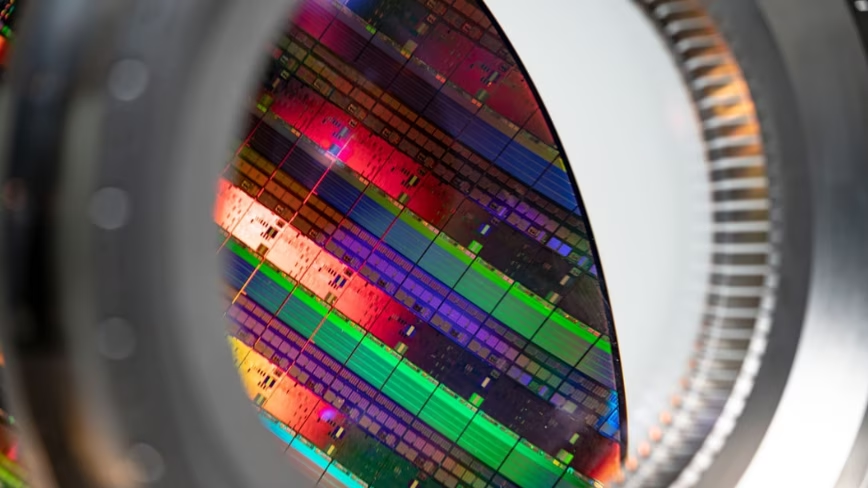
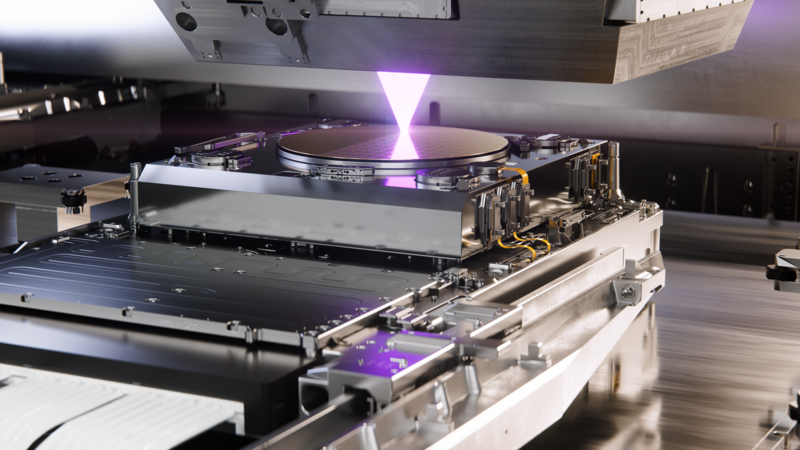
Intel has started producing chips using ASML’s High Numerical Aperture (High NA) Extreme Ultraviolet (EUV) lithography technology. ASML, the Dutch company that builds lithography machines essential for chip manufacturing, confirmed this milestone alongside its quarterly earnings report. High NA EUV enables finer, more precise transistor patterns on silicon wafers by using higher resolution light sources than previous lithography systems.
Why it matters
This development marks a critical step in advanced chip production for Intel and reflects progress in the broader semiconductor manufacturing ecosystem. High NA EUV can shrink transistor features further, improving chip performance, power efficiency, and transistor density. Intel gaining access to this technology pressures competitors who already use next-generation lithography, especially Taiwan Semiconductor Manufacturing Company (TSMC) and Samsung. For Intel, it tightens the technology gap and affects cost dynamics by potentially lowering the price per transistor over future chip generations.
Firms relying on Intel chips—from PC makers to cloud companies—should expect chips that could offer better energy efficiency or higher speeds when High NA EUV designs reach the market. Investors and partners will want to watch how this affects Intel’s competitiveness in leading-edge nodes, as the technical improvements here are costly and require sophisticated manufacturing expertise.
What to watch next
Track Intel’s upcoming chip launches incorporating High NA EUV to see if production volumes meet targets and deliver performance gains in practice. ASML’s ability to ramp High NA EUV shipments without supply delays will affect the industry timeline for next-generation semiconductors. Also, watch competitors’ responses, as wafer makers may accelerate their own High NA EUV adoption or pursue alternative technologies. Finally, monitor Intel’s financial results for signs this investment translates into stronger market share or improved gross margins supported by more advanced chip designs.
AI Quick Briefs Editorial Desk