Infineon is opening a €5 billion chip factory in Dresden. It is the EU Chips Act’s first major success.
What happened
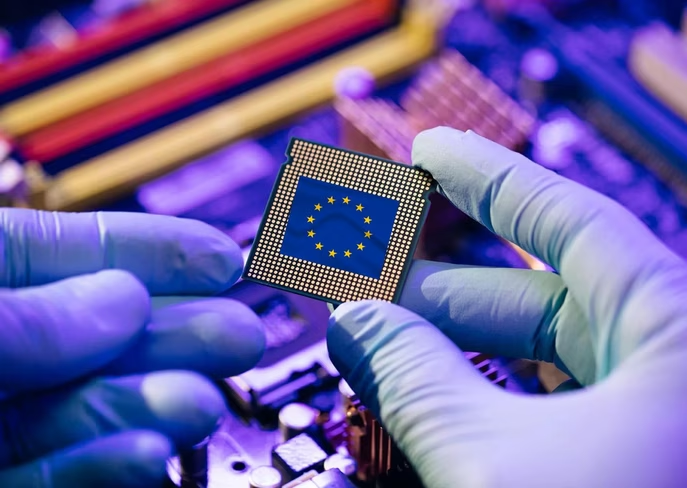
Infineon Technologies is set to open a €5 billion semiconductor factory on its Dresden campus on July 2. This plant, called the Smart Power Fab, is Infineon’s largest single investment. It received about €1 billion in subsidies from the EU Chips Act, marking the program’s first major industrial success. The new factory will produce power semiconductors used in AI data centres, electric vehicles, and renewable energy systems.
Why it matters
Power semiconductors play a critical role in converting and controlling electrical energy efficiently. By scaling up production in Europe, Infineon’s new factory reduces the EU’s reliance on foreign chip suppliers, a strategic aim of the EU Chips Act. This helps the continent maintain technology sovereignty and tightens control over critical supply chains for emerging AI workloads and electric mobility infrastructure. The plant’s output will directly support growing AI data centres that demand efficient power management and lower energy waste, helping operators cut operating costs. It also strengthens supply chains for electric vehicles and clean energy projects, sectors where demand is rapidly rising globally.
What to watch next
The factory’s actual impact depends on how quickly Infineon ramps production and how effectively the EU Chips Act continues to channel funds into such projects. Watch for potential expansions of this facility or similar investments in semiconductor fabs to gauge whether Europe can keep pace with competing regions like the US, China, and Taiwan. Also, monitor semiconductor market pricing and supply chain stability in AI and EV component sectors, as this factory could ease shortages and should pressure competitors to improve efficiency or scale.
AI Quick Briefs Editorial Desk