In a First, a Humanoid Robot Performed Live Surgery Under a Surgeon’s Control
What happened
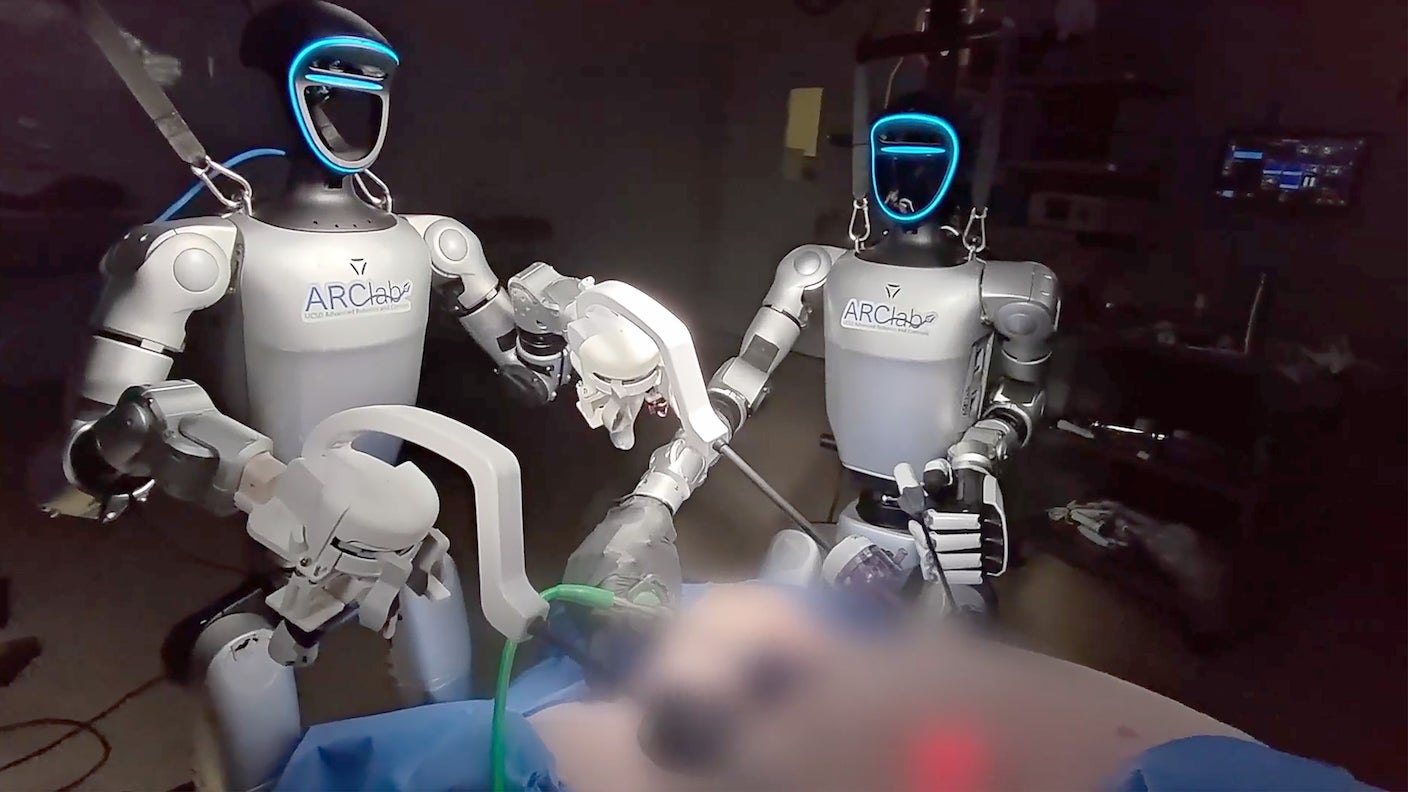
A humanoid robot successfully performed a live surgery under the control of a human surgeon. The robot removed a pig’s gallbladder using standard surgical instruments in a typical operating room setting. This marks the first time a humanoid robot has conducted surgery in real time, guided directly by a surgeon.
Why it matters
This breakthrough shows the feasibility of integrating humanoid robots into surgical procedures without requiring specialized robotic surgery tools or altered operating rooms. It pressures current surgical practices to consider automation that can operate in existing clinical environments. For hospitals and surgical centers, this could lower barriers to adopting advanced robotic assistance since the robot uses familiar instruments and protocols. It also raises new questions about how surgical teams will adapt workflows to coordinate with humanoid robotic partners remotely controlled by human experts.
What to watch next
The critical next step is tracking how this technology performs across a wider range of procedures and complexities. Adoption depends on proving the robot’s precision, reliability, and safety at scale. Surgeons and institutions will be watching whether humanoid robots can reduce fatigue, improve access to surgical care in locations lacking specialists, and integrate seamlessly with existing surgical staff. The business side will monitor how this affects costs, training requirements, and liability frameworks for surgery assisted or performed by robots under human control.
AI Quick Briefs Editorial Desk