ICE’s Plan to Let Cops Around the Country Scan Faces to Verify Immigration Status
What happened
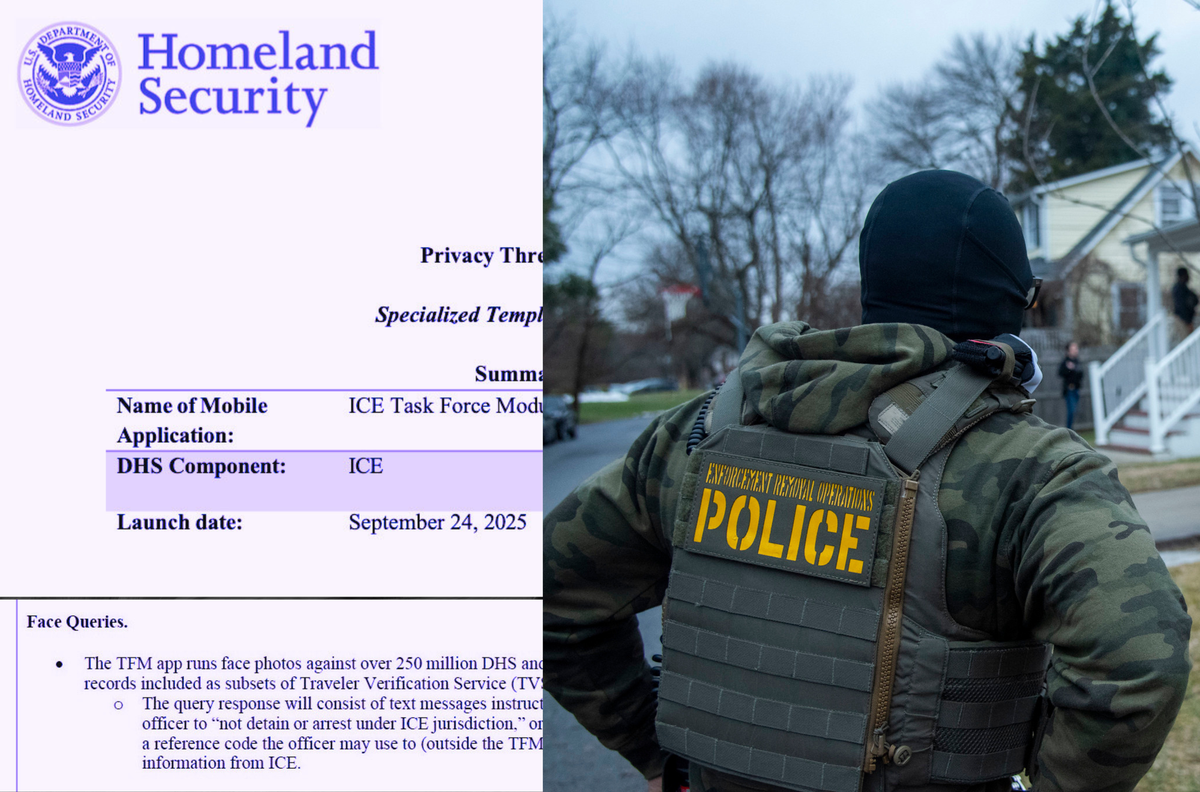
ICE plans to expand access to its facial recognition app that links law enforcement encounters to immigration status. The agency intends to make this tool available to more than a thousand police and sheriff departments across the United States. The app scans a person’s face and cross-references it against immigration databases to verify if they are in the country legally.
Why it matters
This rollout represents a significant scaling of biometric surveillance beyond federal agents to local law enforcement. By granting over a thousand agencies the ability to quickly check immigration status via facial recognition, ICE is shifting more immigration enforcement power into everyday police interactions. This changes operational dynamics for local officers, who may face pressure to use this app routinely during stops or arrests. It could also increase risks of wrongful detentions if facial recognition matches are inaccurate or misused.
The move raises practical concerns around privacy and civil rights, putting the spotlight on how biometric AI tools impact communities, especially minorities. For operators and decision makers, it signals growing pressure on local agencies to adopt AI-enabled surveillance tools, which could disrupt community trust and complicate policing priorities.
What to watch next
Beyond public reaction and legal challenges, the accuracy and reliability of the facial recognition system will be critical. Watch for reports on false positives or wrongful matches that could strain local resources and legal systems. There will also be clues in how widely police agencies integrate the app into routine workflows and how it shapes day-to-day enforcement decisions. Policymakers and regulators might respond with oversight or restrictions depending on how this technology affects civil liberties and public safety in practice.
AI Quick Briefs Editorial Desk