ICE Plans to Develop Own Smart Glasses to ‘Supplement’ Its Facial Recognition App
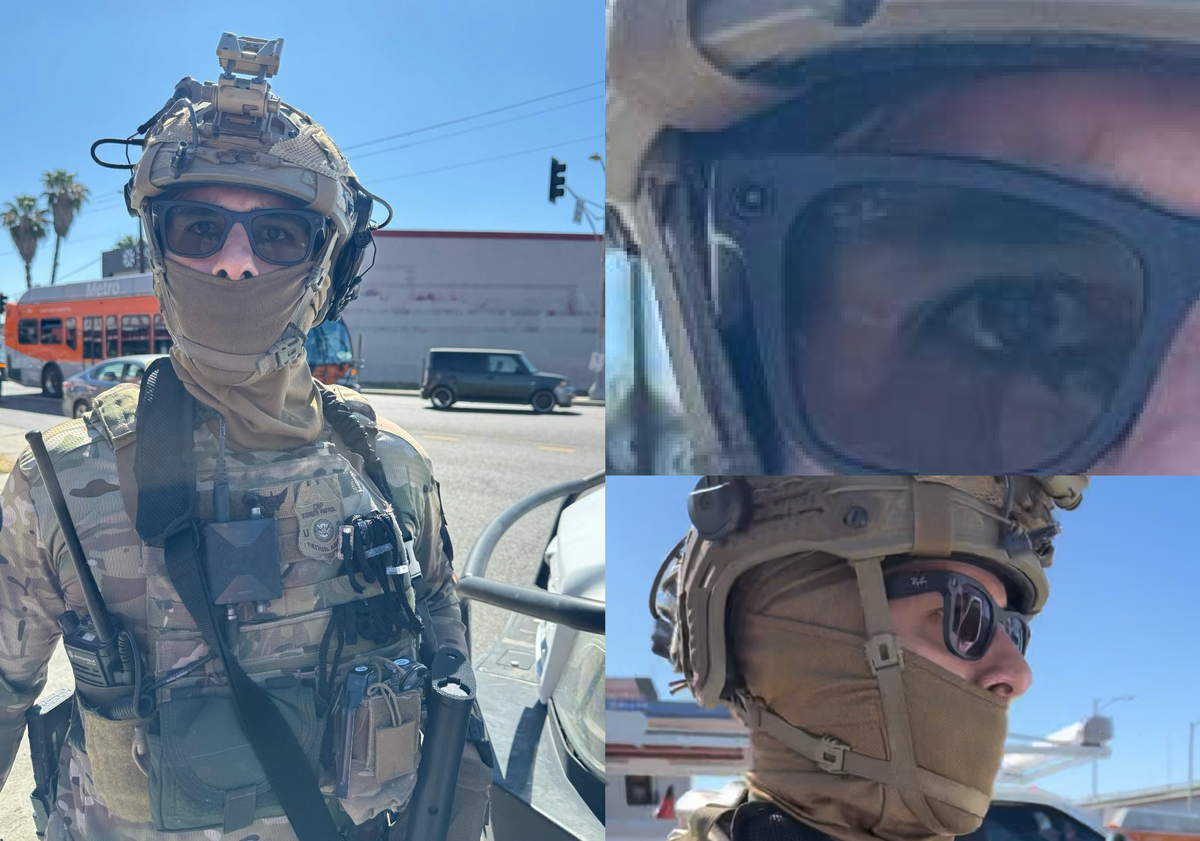
ICE is planning to build its own smart glasses designed to work alongside its facial recognition app, according to a Department of Homeland Security official and another source who spoke at a recent conference. These glasses will enhance how ICE agents identify individuals in real time, potentially making facial recognition technology more portable and immediate in the field. This marks a significant development in the use of AI-driven surveillance tools by government agencies.
This news is important because it signals a shift toward integrating wearable AI tech with existing facial recognition systems for law enforcement. Smart glasses equipped with facial recognition could allow agents to identify suspects or verify identities quickly without needing to use separate devices, potentially speeding up operations during encounters. However, it also raises privacy and ethical concerns about increased surveillance and the potential for abuse or errors when such technology is used in public spaces. For developers and companies working on AI and wearable tech, this move may push innovation toward more sophisticated and compact biometric tools.
The push for smart glasses comes amid ongoing debates about facial recognition technology and its role in law enforcement. ICE has already faced criticism for how it uses facial recognition, especially regarding accuracy issues and concerns over targeting immigrant communities. Developing proprietary smart glasses suggests ICE wants more control over the hardware and software to tailor it specifically for their surveillance goals. This fits into a larger pattern of government agencies adopting AI tools that aim to reduce human workload and increase speed but often at the cost of accountability and transparency.
On a broader scale, ICE creating its own smart glasses shows how AI technology is becoming more embedded in policing, moving beyond static cameras or mobile apps into wearable devices that provide real-time data. It highlights an increasing blending of AI with physical gear on the front lines of law enforcement. People should watch for how this technology is regulated, the accuracy of its facial recognition capabilities, and the safeguards put in place to prevent misuse. The announcement could prompt other agencies or companies to develop similar tech, raising questions about the future role of AI wearables in public safety and personal privacy.
The move also suggests a competitive angle where law enforcement might want proprietary solutions instead of relying on commercial products, which can be expensive, limited, or tied up in legal restrictions. For the AI community, this could mean more opportunities to develop ethics-conscious, transparent solutions or face greater scrutiny and pressure to improve the reliability of biometric tools under intense public and legal scrutiny.
— AI Quick Briefs Editorial Desk