HPE brings quantum computing to real-world use cases with HPC and AI
What changed
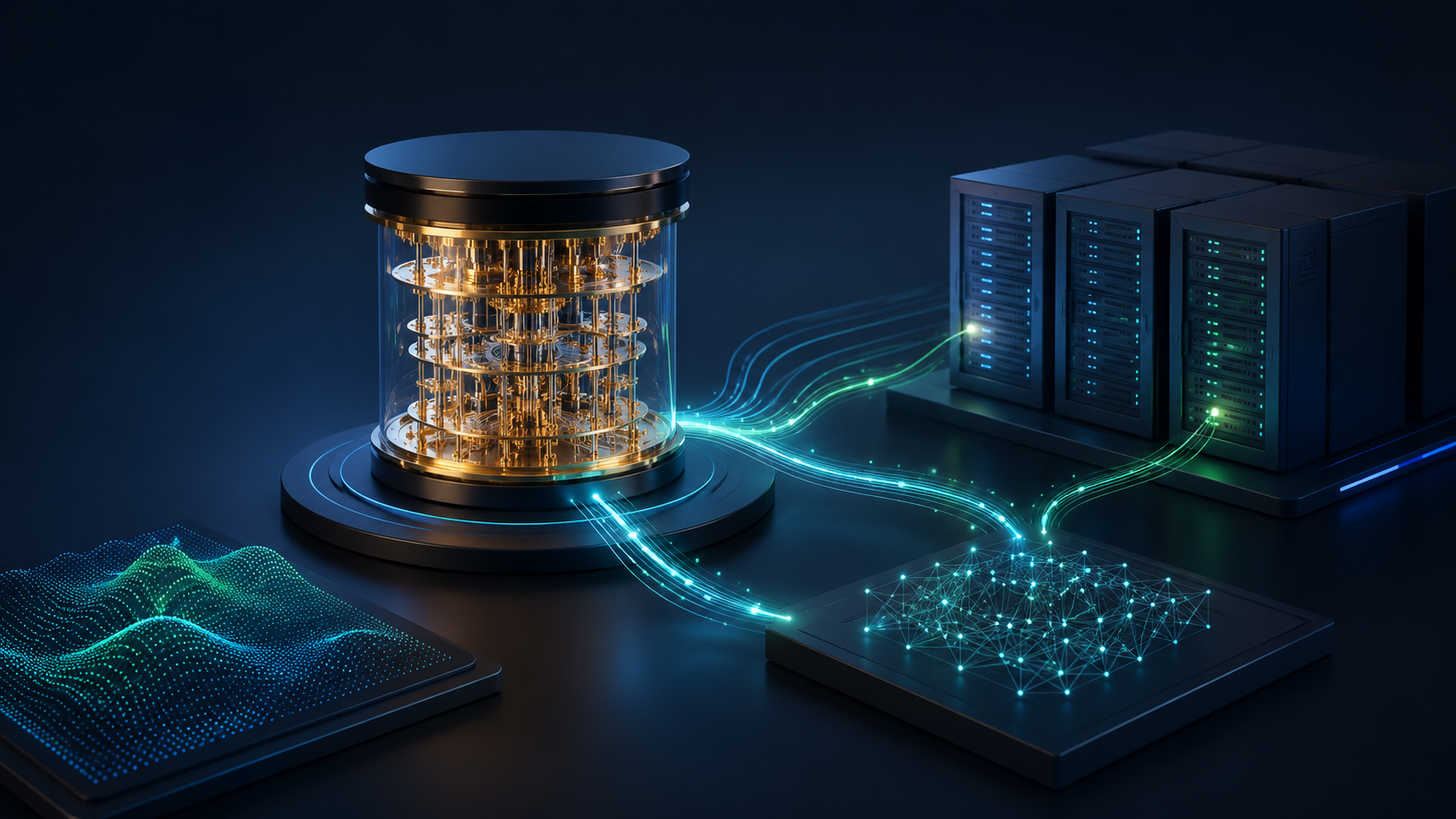
Hewlett Packard Enterprise is moving quantum computing from a niche hardware race toward practical integration with high-performance computing and AI infrastructure. At HPE’s World Quantum Day event, industry experts agreed quantum machines will not replace current data centers and supercomputers. Instead, hybrid systems that combine quantum, HPC, and AI workloads will unlock new real-world applications. HPE is positioning itself as the infrastructure provider that links these technologies.
Why builders should care
Operators building AI or HPC workflows need to prepare for quantum hybrid computing as an added layer, not a replacement, of their existing stacks. Quantum processing units will handle specific tasks that classical CPUs and GPUs cannot efficiently solve. This integration demands infrastructure that supports seamless data flow and workload orchestration across quantum and non-quantum systems. HPE’s approach signals that future quantum-powered apps will rely heavily on mature HPC and AI environments, pushing builders to think about infrastructure interoperability now.
The practical takeaway
Quantum computing remains too fragile and expensive to stand alone for most workflows. Businesses and data centers should view quantum as a specialized accelerator that complements AI and HPC systems rather than disrupts them. HPE is betting on connecting quantum resources with familiar HPC and AI tools to make quantum computing deliver tangible operational value. Builders should focus on developing hybrid pipelines that can flexibly offload tasks between quantum and classical hardware. This design reduces risk by avoiding all-in quantum bets while still experimenting with its computational advantages.
What to watch next
The key next step is seeing how well HPE’s infrastructure integrations perform in live deployments. Watch for partnerships between quantum hardware makers, HPC centers, and AI platforms that rely on HPE tech. Observe how software frameworks evolve to manage hybrid quantum-classical workflows without adding complexity for operators. Also track usable quantum applications emerging from this integration effort to evaluate when and where quantum starts driving cost or performance benefits in real workloads.
AI Quick Briefs Editorial Desk