Half of young Europeans turn to AI to talk about intimate matters
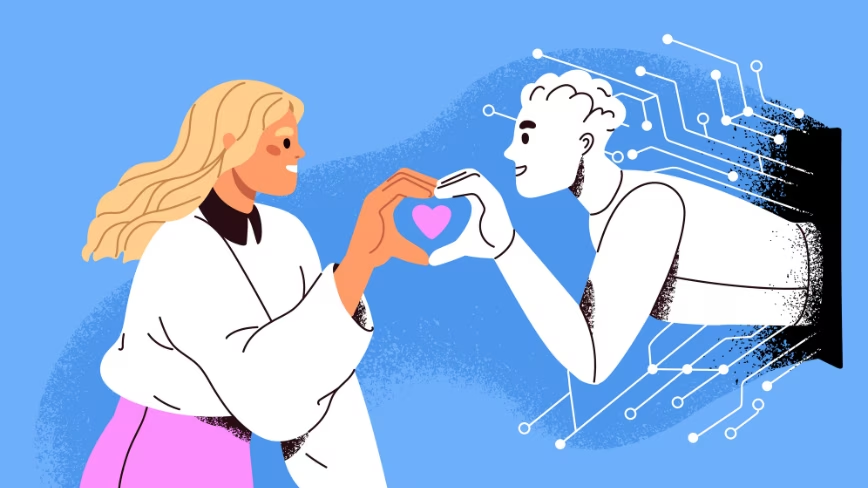
Half of young Europeans now turn to artificial intelligence chatbots when discussing personal and intimate issues. This finding highlights a shift in how younger generations approach emotional support, choosing AI over traditional human conversations in many cases. The article emphasizes the need to look beyond the technical advances of AI and consider what these interactions might be taking away from our social and emotional habits.
This trend matters because it reshapes how people seek comfort, advice, and companionship, especially in vulnerable moments. For developers and businesses, it underlines the importance of designing AI systems that handle sensitive topics with care and empathy. The growing reliance on AI for emotional support raises questions about loneliness, social isolation, and dependency on technology that might not fully understand human experience. It also signals potential challenges in regulating AI to prevent harm or misuse when handling deeply personal information.
The rise of AI chatbots offering emotional support is driven by the increasing accessibility and sophistication of natural language processing technologies. These systems can now process and respond to nuanced human expressions, making them appealing conversational partners. With mental health concerns rising globally, many young people find a non-judgmental outlet in AI, especially when human support networks are lacking or difficult to access. This trend fits into the broader AI development narrative, where machines are moving from performing simple tasks to engaging in complex social interactions.
This shift signals a critical moment of reflection for the AI industry and society. While AI can provide comfort and fill gaps in human connection, it cannot replace the depth and empathy of human relationships. Developers should focus on transparent AI communication, teaching users about the capabilities and limits of these technologies. We should also watch for policies around privacy and emotional well-being as AI becomes more embedded in daily life. The challenging balance lies in harnessing AI’s benefits without eroding essential social skills and interpersonal bonds.
— AI Quick Briefs Editorial Desk


