Grassroots opposition blocked $130 billion in US data center projects in the first three months of 2026
What happened
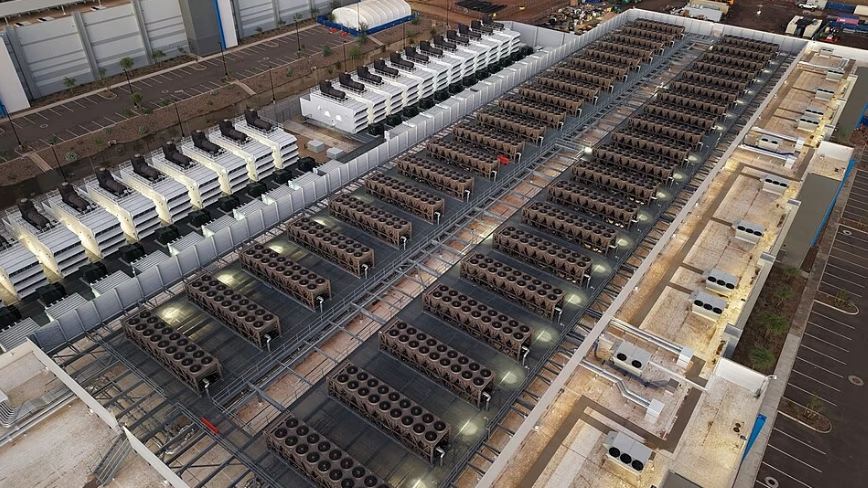
Grassroots opposition blocked or delayed at least 75 data center projects in the United States in the first quarter of 2026. These projects represented $130 billion in investment tracked by Data Center Watch, a service run by AI research firm 10a Labs. The resistance comes from local activists and community groups concerned about the environmental and social impacts of large data centers. This level of pushback is pushing the AI and cloud infrastructure sectors to reconsider where and whether to build new facilities.
Why it matters
Data centers are critical infrastructure for AI model training, cloud services, and digital operations. When communities resist or delay projects, it raises costs, slows deployment schedules, and adds regulatory and permitting risks. As a result, operators and investors must think more strategically about location choices, local engagement, and how to design centers that meet stricter environmental standards. The scale of opposition already blocking $130 billion in projects shows resistance is no longer isolated but a systemic factor that industry players must factor into expansion plans.
What to watch next
Watch how AI and cloud companies respond to this new bottleneck on physical infrastructure. Will they shift building to regions with weaker opposition, prioritize smaller or more efficient sites, or invest more in outreach to communities? New technologies that reduce data center footprint or energy consumption will also become more valuable. Regulators might tighten rules inspired by activist pressure, and investors will need to price in longer project timelines and riskier approvals. The next moves in site selection and community relations will be key signals for future growth and cost structures in AI infrastructure.
AI Quick Briefs Editorial Desk