Forecasting the AI bubble: When scarcity turns to surplus
Quick take
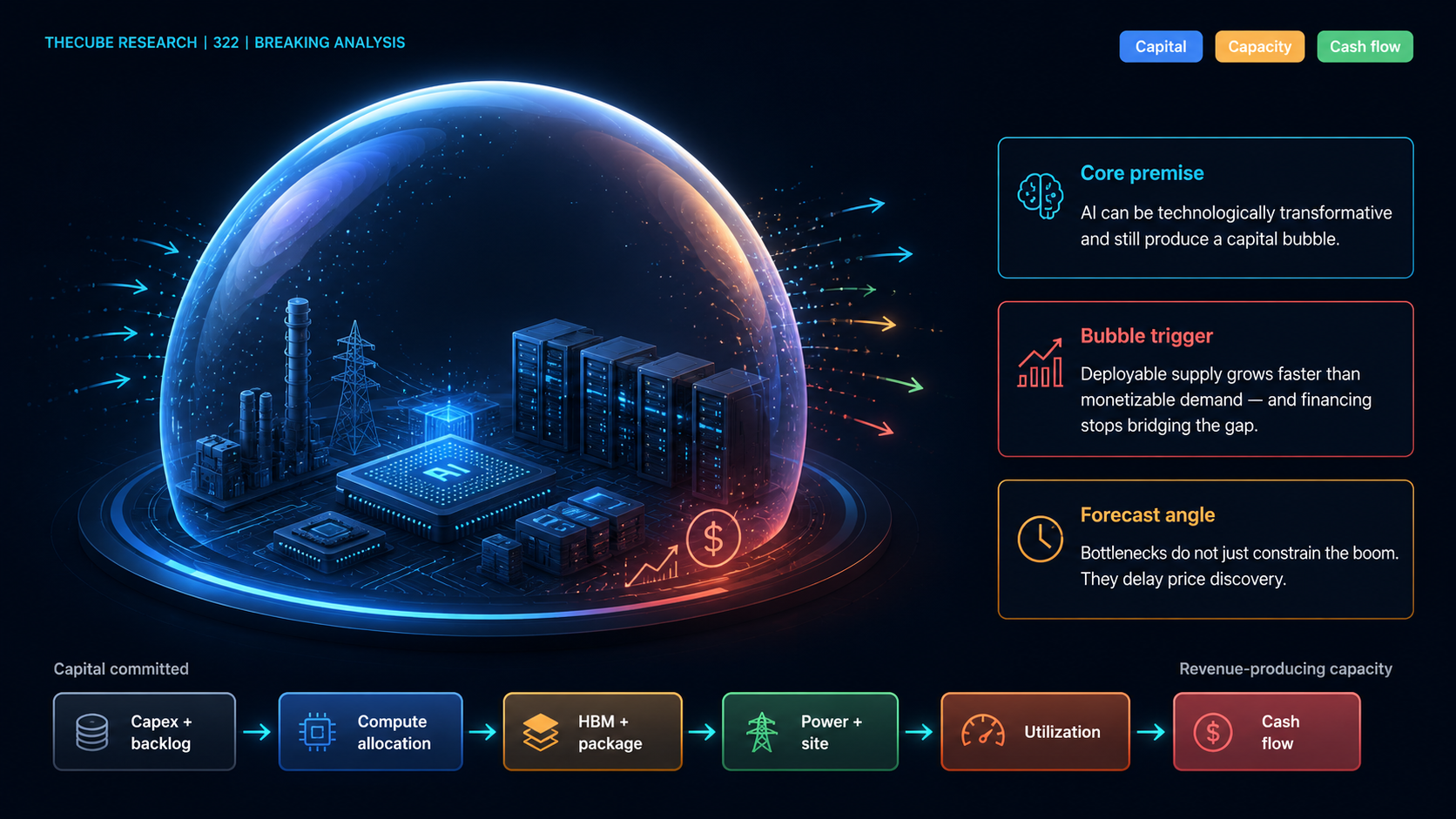
AI hype and capital flow are on a collision path where technology and market dynamics push in different directions. The core idea is that AI can drive real change while still triggering a classic capital bubble. That bubble bursts not because AI fails, but because supply and investment commitments grow faster than actual demand that generates revenue.
AI production capacity takes time to convert promises into paying customers. Until productive AI systems scale up, companies will face a pricing reset as the market shifts from scarcity to surplus. This shift weakens startup valuations and tightens financing conditions, pressuring operators to prove sustainable revenue streams rather than just promising growth.
Why it matters
For founders and investors, recognizing the difference between technological potential and market timing is critical. The AI bubble burst does not mean AI stops working. It means the market is adjusting to the reality that AI systems take longer to monetize than hype suggests. Financing will become more disciplined, and deals will favor businesses with clear paths to revenue over speculative capacity buildup.
This recalibration forces operators to focus on practical deployment timelines and customer adoption rates rather than chasing capital for rapid expansion. Capital will flow slower, valuations will cool, and only AI ventures that can convert technical capacity into steady income will survive the shakeout.
AI buyers and businesses should expect more conservative pricing and vendor evaluations. Surplus AI supply creates opportunities for negotiation but also raises the bar for meaningful business impact, as vendors compete to prove their solutions produce real revenue gains.
AI Quick Briefs Editorial Desk