Evolve your marketing with new AI tools
What it does
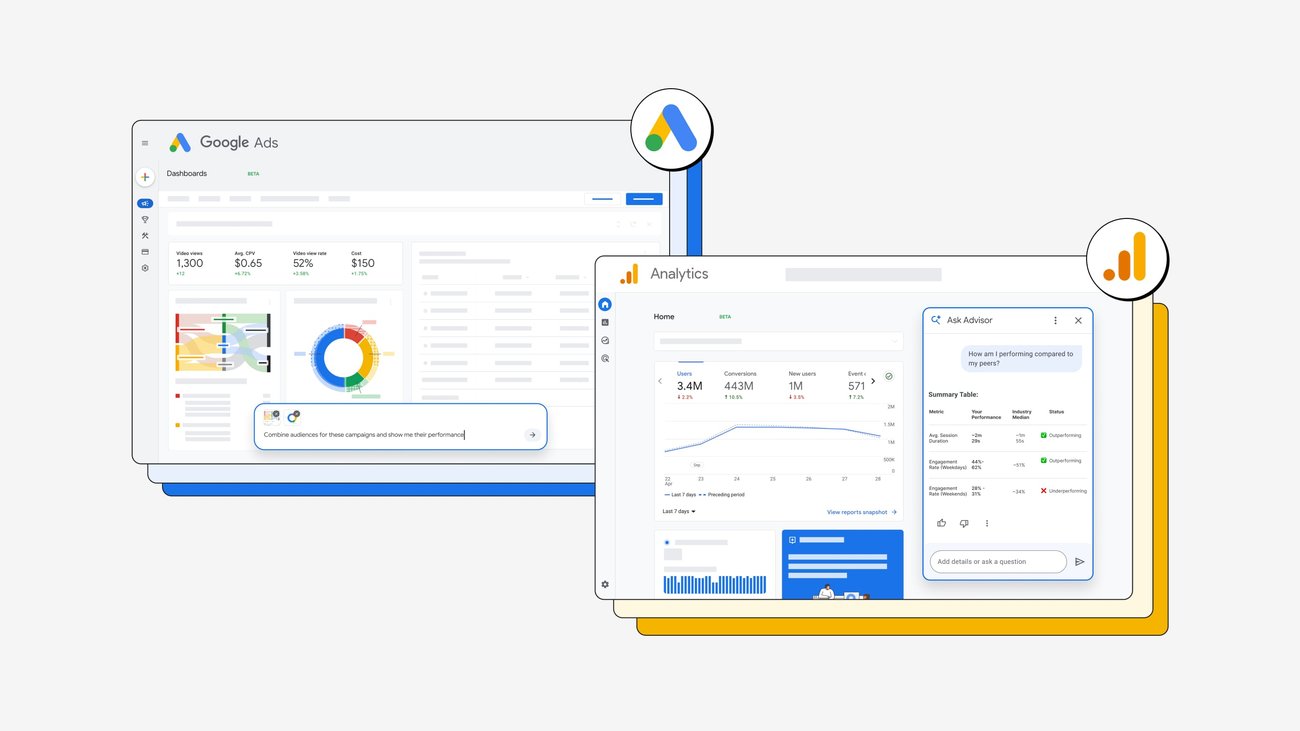
Google is rolling out new AI features within Google Ads and Google Analytics designed to make marketing workflows more efficient. These tools include agentic experiences that use AI to create, optimize, and analyze campaigns, cutting down manual effort. Marketers can generate high-performing ad creatives and receive insights on campaign performance through AI-powered summaries and recommendations.
Why it matters
Marketing operations often get bogged down by complex data and endless manual optimizations. These AI additions simplify decision-making by surfacing what works and guiding actions faster. It lowers the barriers for businesses without deep analytics or advertising teams to run effective digital campaigns. This could accelerate digital ad spending by making it easier to manage and understand performance in real time.
Who it is for
Small to mid-size businesses and marketing teams juggling tight resources stand to gain the most. The tools reduce dependency on specialized knowledge while automating routine tasks. Advertisers looking to scale ads or test creatives can benefit from faster, AI-driven iterations. Google Analytics users get clearer, AI-generated analysis that turns raw data into actionable intelligence.
The catch
Increased AI involvement risks over-reliance on automated suggestions that may not fully understand business context or niche markets. Marketers must still validate AI outputs against their unique goals and customer insights. Also, while these features simplify workflows, they reinforce dependence on Google’s ad ecosystem and data environment, which may limit cross-platform flexibility.
What to watch next
Look for how AI-driven ad and analytics tasks affect campaign real-world outcomes, especially ROI. Watch Google’s pace of integrating AI into its advertising stack compared to competitors. Also monitor how marketers balance automation with manual control to avoid performance declines or losing distinct brand positioning. The evolution of AI agents acting with more autonomy in marketing workflows will be critical.
AI Quick Briefs Editorial Desk


