Designing AI Agents That Can Self-Correct
What changed
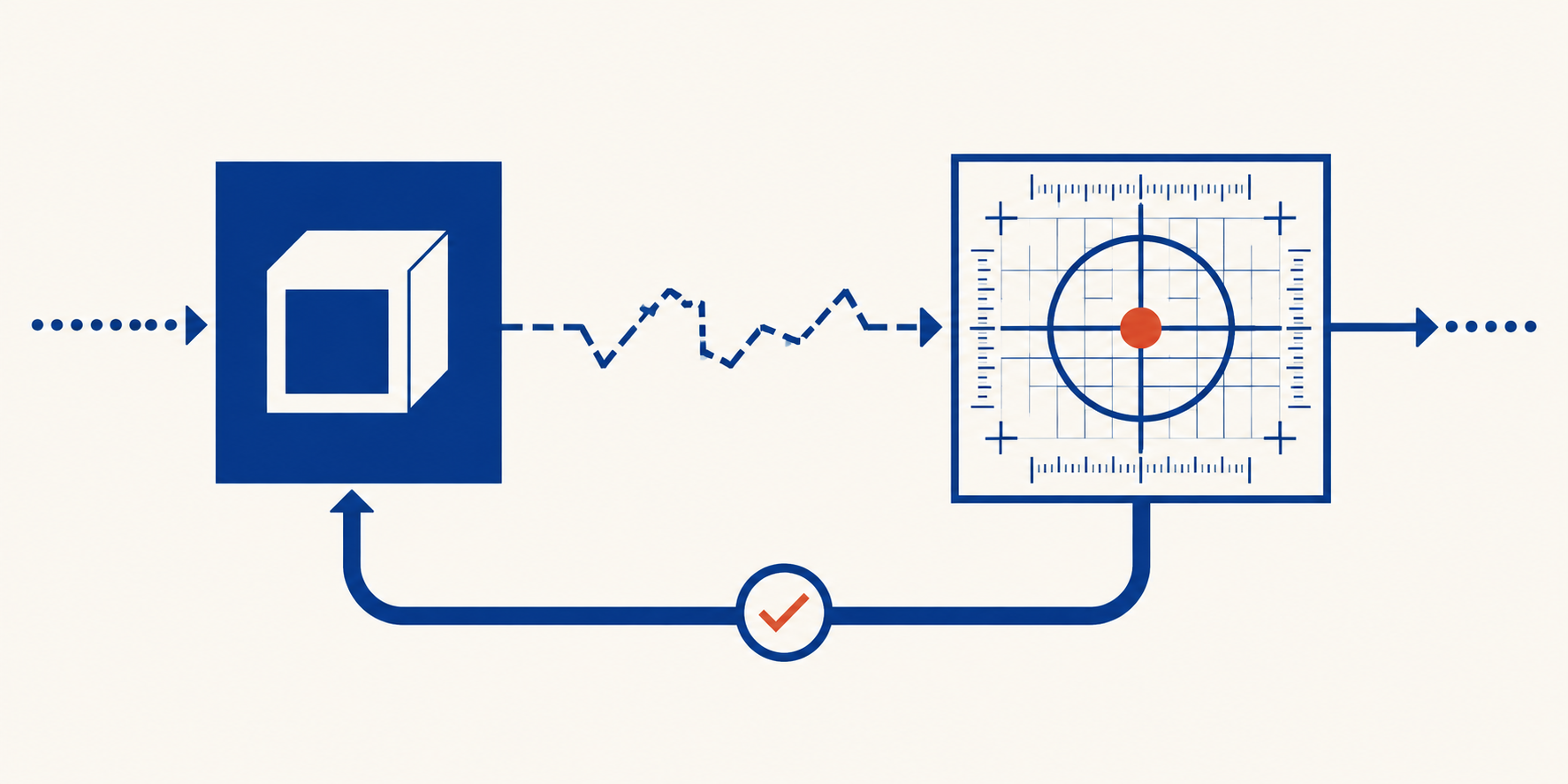
A new approach to designing AI agents focuses on giving them the ability to self-correct by explicitly defining vocabulary for problems and failure modes. Instead of relying purely on trial and error or opaque error-handling, this method builds self-reflective mechanisms into the agent so it can recognize mistakes, understand the type of failure, and take steps to fix its output automatically.
Why builders should care
Self-correction reduces costly manual intervention and improves reliability in real-world applications. Developers often waste time debugging or retraining models after errors occur. Agents that can categorize errors and self-adjust during interactions lower operational risks, speed up refinement cycles, and improve user experience. This shift pressures builders to prioritize transparency and feedback loops within their AI workflows.
The practical takeaway
Agents need an internal vocabulary to classify failure modes consistently. Defining common error types, such as logic failures, hallucinated facts, or incomplete responses, lets the agent trigger targeted corrective actions. For example, an agent might reformulate a question, revisit data sources, or backtrack steps based on the error type it identifies. This structure transforms naive trial improvements into smarter, automated recovery.
What to watch next
Follow advancements in frameworks and APIs that embed failure vocabularies and correction strategies natively. Expect this to become a standard feature in agent architectures, making autonomous AI more robust in dynamic environments. Also watch for tools that help operators tune and monitor the agent’s self-correction effectiveness, balancing automation with human oversight.
AI Quick Briefs Editorial Desk