‘Dangerous’ AI Models Are Coming No Matter What

What happened
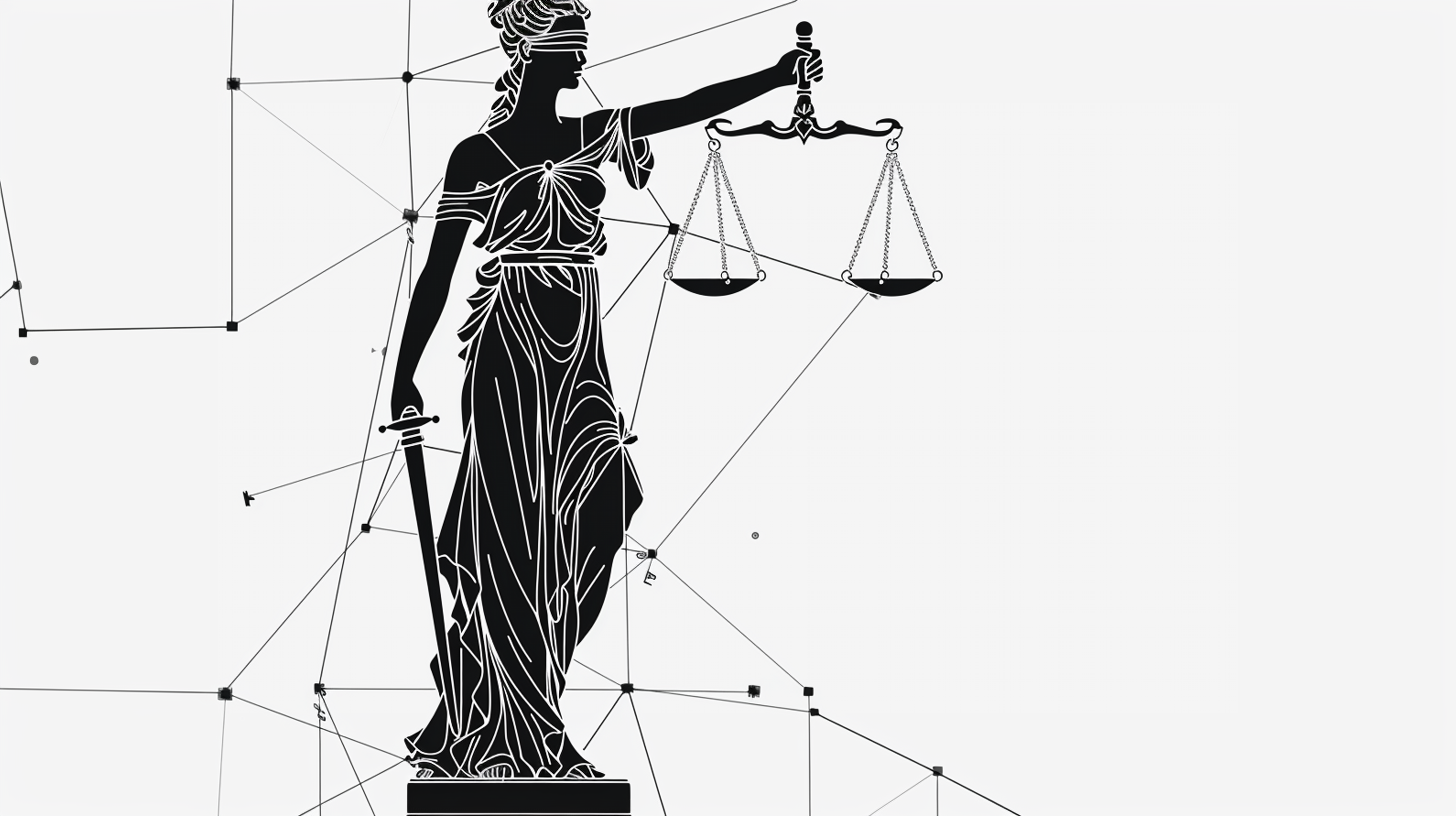
The US government blocked Anthropic’s plans to release two AI models, Claude Fable 5 and Mythos 5, over concerns about their advanced hacking and manipulation capabilities. These models reportedly can create exploits and malware, raising fears that they could enable cyberattacks or other malicious uses. Despite this crackdown, industry experts warn that AI models with dangerous hacking features are inevitable as technology continues evolving.
Why it matters
The US move signals regulators are stepping up attempts to control AI risks linked to cybersecurity. But it also exposes a fundamental challenge: AI systems capable of sophisticated hacking are becoming the new normal. For businesses and builders, this means the technology powering automation, coding, and security testing will increasingly blur the line between legitimate use and weaponization. The crackdown may slow some deployments but cannot stop widespread adoption of AI models that understand and generate cyber exploits.
At an operational level, this shifts risk profiles. Security teams face AI capable of generating highly tailored attacks faster than traditional methods. Developers building AI tools or integrations must consider ethical guards and misuse prevention from the start. Investors and decision makers should factor in growing regulatory scrutiny and potential legal risks tied to advanced AI capabilities.
What to watch next
How regulators and companies respond to these threats will shape AI’s future role in cybersecurity. Watch for new legislation on AI safety and liability, especially around models with dual-use hacking power. Also monitor open AI research: will makers voluntarily restrict dangerous outputs or embed stronger safeguards?
Enterprise security leaders should prepare for attackers gaining access to AI-powered hacking tools and adjust defenses accordingly. For AI builders, the tension between capability and control will likely dominate design trade-offs. The next wave of AI models will test how the industry balances innovation with preventing real-world harm.
AI Quick Briefs Editorial Desk