China turns its aging camera network into an AI-powered mass surveillance apparatus
What happened
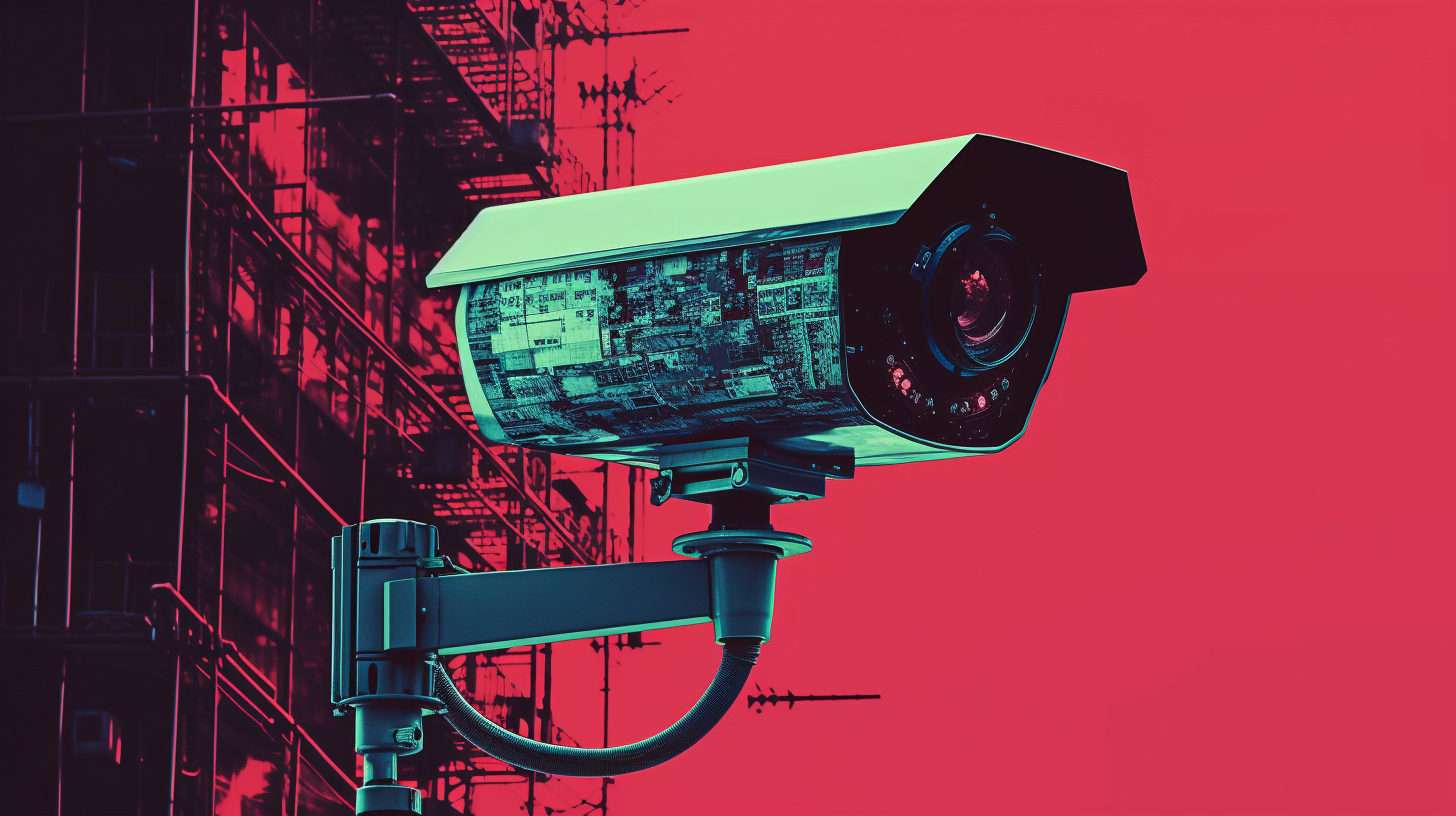
China is upgrading millions of aging surveillance cameras with built-in artificial intelligence. Companies like Hikvision and Huawei now provide cameras equipped with computer vision and language models. These systems automatically detect crowds, suspicious activities, and unauthorized entry. Instead of manually reviewing hours of footage, police officers can simply enter text queries to locate specific events or behaviors quickly.
Why it matters
This upgrade shifts China’s surveillance from passive recording to active behavioral monitoring at scale. Automated detection cuts down the time and labor needed to monitor millions of cameras while increasing the speed and accuracy of identifying potential security threats. For operators, this means surveillance infrastructure now includes AI-driven analytics that directly affect how incidents are identified and responded to. However, the system also raises privacy and civil rights concerns. Human Rights Watch warns this level of automated behavioral monitoring creates unprecedented risks of intrusive mass surveillance and social control.
What to watch next
The rollout pace and AI capabilities will determine how quickly China’s law enforcement gains these new surveillance advantages. Watch for advances in natural language queries and computer vision accuracy that improve automated incident detection. Regulators and rights groups outside China may also increase scrutiny and pressure in response to this technology’s potential to infringe on privacy at scale. For global AI builders, this signals a market where AI-powered surveillance tools continue to spread rapidly, raising questions about ethical deployment and potential restrictions.
AI Quick Briefs Editorial Desk