China is rebuilding the smartphone around AI agents. ZTE’s NaviX sold out in hours.
What happened
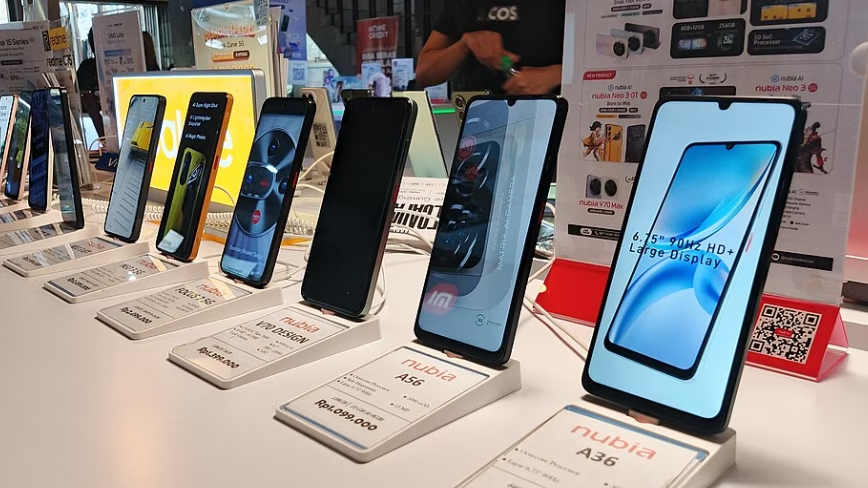
ZTE launched the NaviX Ultra at the World AI Conference in Shanghai this week, branding it the world’s first smartphone designed around agentic AI. The device runs ByteDance’s Doubao AI agent, which users can summon by voice or a dedicated hardware button. The NaviX was developed under ZTE’s Nubia brand and comes in four colors. It first appeared as a prototype in December and sold out within hours after its official debut.
Why it matters
This is a clear signal that smart devices are moving beyond passive AI assistants toward fully agentic AI integration. The NaviX’s AI agent handles tasks proactively, embodying a shift in smartphone design that prioritizes AI as a core user interface rather than a peripheral feature. For buyers, this could redefine expectations for voice interaction and device autonomy. For the smartphone market, it pressures competitors to embed deeper AI capabilities without sacrificing battery life or speed. The early sell-out indicates strong consumer appetite for AI-driven convenience, giving ZTE a lead in a critical new product category.
What to watch next
Monitor how other manufacturers respond to this AI-centric smartphone model. The commercial success of NaviX will nudge manufacturers to accelerate development of dedicated AI agents and hardware optimizations. Pay attention to the agent’s real-world performance and user satisfaction, especially on issues like privacy, responsiveness, and resource use. Also, see if ByteDance’s Doubao agent gains traction beyond China or if similar AI ecosystems emerge elsewhere. NaviX could become a test case for AI-driven devices that move beyond simple assistance to continuous, context-aware management.
AI Quick Briefs Editorial Desk