Bumble is getting rid of the swipe, CEO says
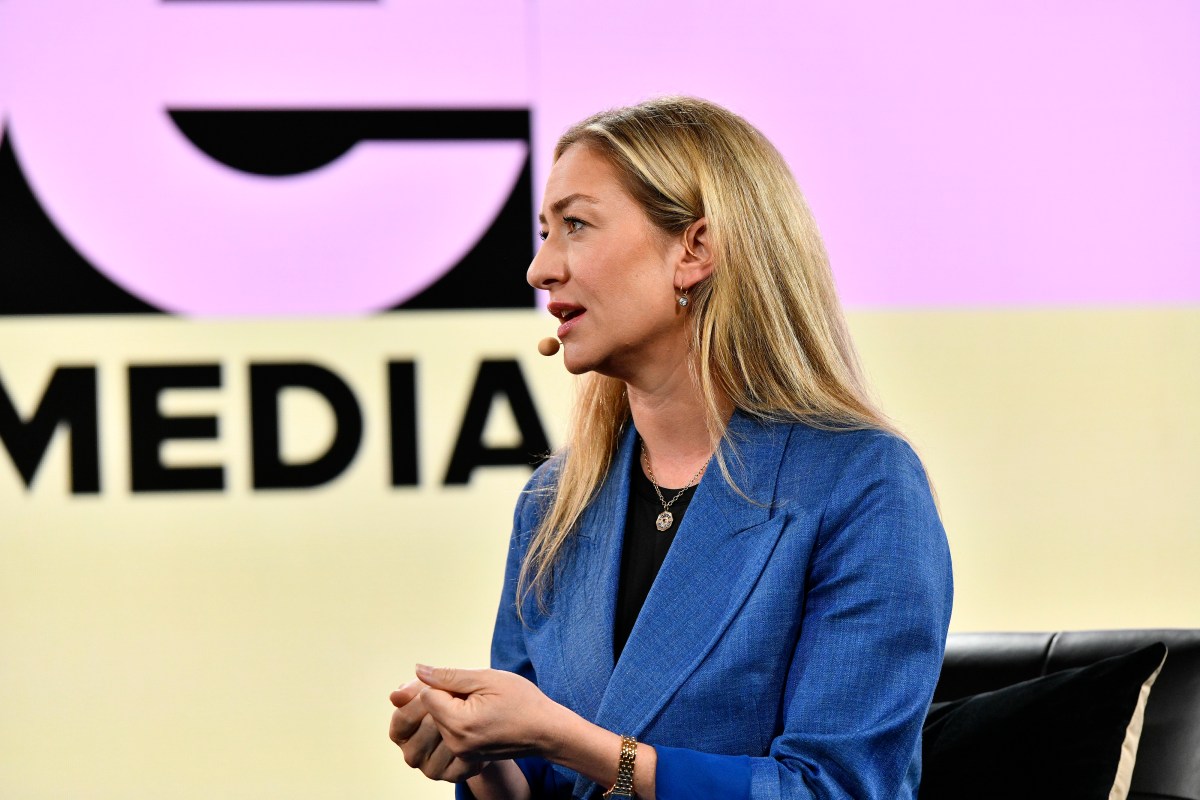
Bumble’s CEO has announced the company is moving away from the traditional swipe mechanic that defined dating apps for years. Instead of users swiping left or right to reject or accept matches, Bumble plans to integrate more AI-driven features into its platform. This shift hinges on artificial intelligence playing a bigger role in matchmaking and user interaction.
This change matters because swiping has long been the hallmark of online dating apps, but it can also be tiring and sometimes superficial. By removing swipes, Bumble could create a more thoughtful and personalized experience. The move also reflects a growing trend in the tech industry where AI is being used to enhance human connections rather than replace them. People might find dating less like playing a game and more like getting real, helpful nudges in their love life.
Bumble’s CEO, Whitney Wolfe Herd, has talked about how AI could become a “supercharger” for love and relationships. The company is already working on an AI dating assistant called Bee. Bee will help users by suggesting matches, making communication easier, or offering advice, based on patterns and preferences that AI identifies. This shows where Bumble is heading: away from random swiping toward AI-assisted decision making that feels more natural and efficient. This approach helps solve dating fatigue and increases chances of genuine connections by cutting through noise and guesswork.
The move also fits into the broader AI landscape where machine learning and natural language processing are being used to enhance user experience in many fields. Dating apps are uniquely suited to benefit since relationships rely on complex human data that AI can analyze. Bumble betting on AI signals that future dating apps might become smarter matchmakers that learn your style and needs instead of relying on crude yes-or-no signals like swipes.
Looking ahead, Bumble’s shift signals a potential end to swipe culture in dating apps, which could encourage competitors to experiment with AI-driven models. The company might introduce more features where AI takes a central role in spontaneous conversation starters or conflict resolution between matches. Developers could also focus on building AI that understands emotional intelligence better to improve human connection. Bumble’s experiment could define the next generation of dating apps where AI acts more like a helpful wingman than just a tool. Watch for updates on Bee and similar assistants, plus new ways AI starts to shape relationships in more subtle, meaningful ways.
— AI Quick Briefs Editorial Desk