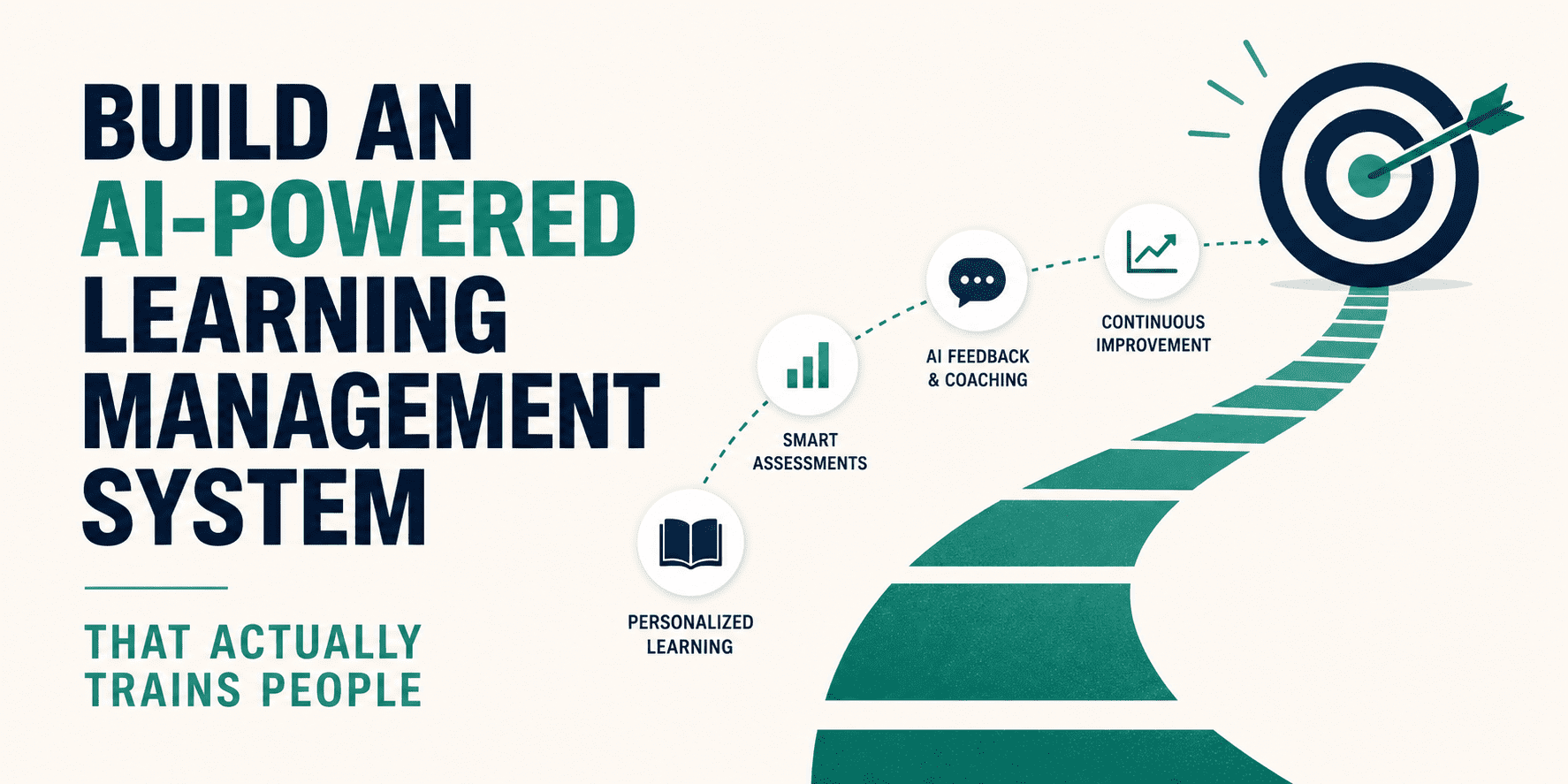
Build an AI-Powered Learning Management System That Actually Trains People
What changed
A new step-by-step guide shows how to build an AI-powered Learning Management System (LMS) from scratch using Ollama, FastAPI, and React. This approach combines a local AI model with a Python backend and a modern JavaScript frontend to create an interactive, responsive training platform. Instead of relying on static content or simple quizzes, the system leverages AI to engage learners actively, tailoring feedback and monitoring progress dynamically.
Why builders should care
Traditional LMS platforms often struggle to deliver meaningful engagement or personalized instruction due to limited interactivity. Integrating AI directly into the training flow changes that by making the system a virtual coach that adapts to users in real time. Builders focused on EdTech, employee training, or skill development can use this practical example to jumpstart projects that go beyond video libraries and slide decks. Also, embedding Ollama’s local AI model bypasses cloud dependencies, improving data control and lowering latency.
The practical takeaway
For developers, this guide cuts through AI complexity by demonstrating how to wire AI inference into a standard web app architecture: Ollama runs AI locally, FastAPI handles API requests, and React delivers the user interface. No black-box cloud calls are needed, which reduces costs and privacy risks. The example code and detailed explanations reduce the learning curve for adding AI capabilities that interact consistently with users—key to real training impact. Operators and founders looking to add AI-driven personalization to training offerings can use this as a blueprint to test or prototype with minimal upfront investment.
What to watch next
Keep an eye on how local AI models gain traction for online training tools as companies push back on cloud usage and focus on user experience. Also watch for how AI-powered LMS platforms evolve to incorporate more complex interactions, such as multi-turn dialogues or real-time assessments. Finally, tracking adoption rates or open-source contributions around Ollama, FastAPI, and React in EdTech could signal whether AI-powered, developer-friendly training environments become mainstream or remain niche experiments.
AI Quick Briefs Editorial Desk