Brussels strikes deal to thin out AI Act and outlaw nudification apps
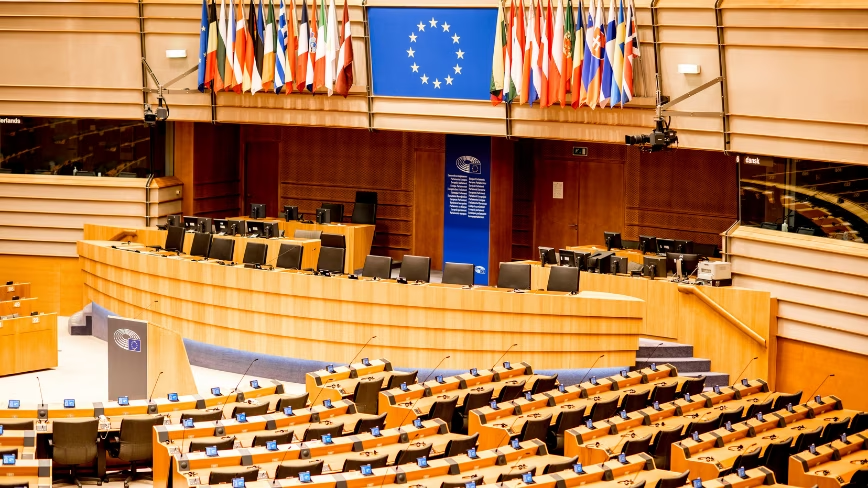
The European Union’s Parliament and Council have reached a compromise on the long-debated AI Act, significantly modifying the original proposal. This deal delays the deadline for high-risk AI systems to comply with new regulations until December 2027. It also reduces paperwork requirements for smaller companies and introduces a specific ban on apps that generate non-consensual intimate images, commonly known as nudification apps. The European Commission confirmed the deal after multiple rounds of unsuccessful negotiations.
This development is important as it sets clearer and more manageable rules for AI developers and businesses across Europe. The extended compliance deadline gives companies more time to adapt to the law’s requirements, potentially avoiding rushed implementations that can hamper innovation or lead to insufficient safety measures. Banning nudification apps addresses serious privacy and ethical concerns by making it illegal to use AI to create intimate images without consent. This puts a legal framework behind protecting individuals from digital abuse, a growing issue as AI-generated content becomes more accessible.
The AI Act is Europe’s most ambitious attempt to regulate artificial intelligence. It classifies AI systems based on risk and imposes stricter controls on those deemed “high-risk,” like healthcare or transportation applications. Smaller firms often struggle with the administrative burden of such regulations, so the reduction in paperwork is a response to these challenges. The delayed compliance deadline reflects the complexity of balancing regulation and innovation, especially given AI’s rapid evolution. The introduction of the ban on nudification had been promised for some time due to rising concerns about the technology’s misuse in creating fake intimate images, which can cause emotional harm and threaten privacy.
This agreement signals a cautious but determined approach by European policymakers who want to regulate AI effectively without stifling progress. The deal’s compromises suggest ongoing tension between protecting citizens and supporting the AI industry. The ban on nudification apps sets a precedent that other regions might follow, highlighting the increasing importance of ethical AI use. Looking ahead, the focus will likely shift to ensuring that enforcement mechanisms are effective and that companies prepare early for the stricter rules. The success of this legislation may influence global AI regulation trends as governments seek to address risks while encouraging innovation.
— AI Quick Briefs Editorial Desk