Bernie Sanders’ AI bill would hand the public half of OpenAI, Anthropic and xAI
What happened
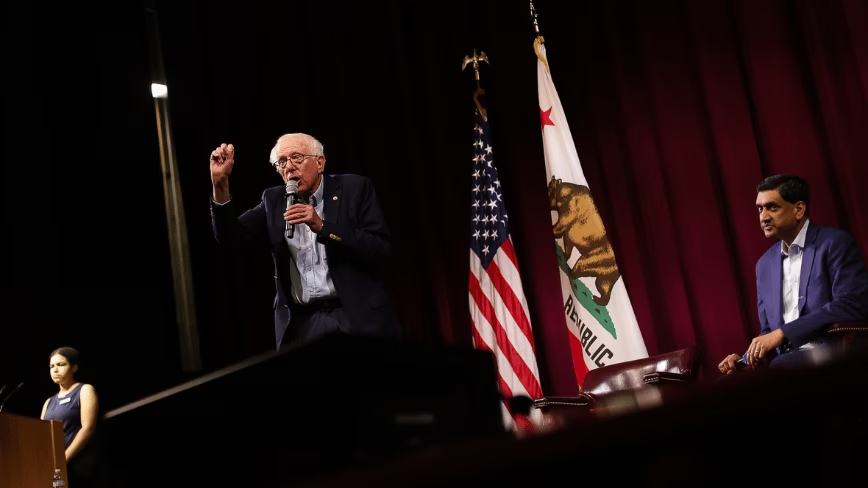
Bernie Sanders introduced a bill targeting major AI companies like OpenAI, Anthropic, and xAI. The proposal demands a one-time 50 percent tax on their stock, paid in shares rather than cash. This would effectively transfer half of these companies’ equity to a public AI wealth fund controlled by the government.
Why it matters
This bill shifts power and wealth from private AI firms to the public sector in a direct and unprecedented way. It pressures AI startups and investors by increasing the cost of capital and diluting ownership upfront. Founders and employees could see their stakes cut significantly before growth. Meanwhile, the government gains partial control over these AI companies, potentially influencing their direction and benefit distribution. This move suggests a growing push for AI to serve public interests rather than concentrate private fortunes, a stark contrast to existing Silicon Valley or White House policies that avoid direct ownership claims.
What to watch next
The bill’s introduction will prompt intense debate in Congress and among industry leaders. Watch for responses from AI firms on funding and governance strategies, plus investor reactions to the added capital risk. Regulators elsewhere might explore similar approaches if this gains traction. Finally, the incoming AI wealth fund’s management and how it exercises new ownership rights will shape market dynamics and innovation incentives across the sector.
AI Quick Briefs Editorial Desk