As Europe rearms, the ‘wingman’ drone takes centre stage at the Berlin airshow
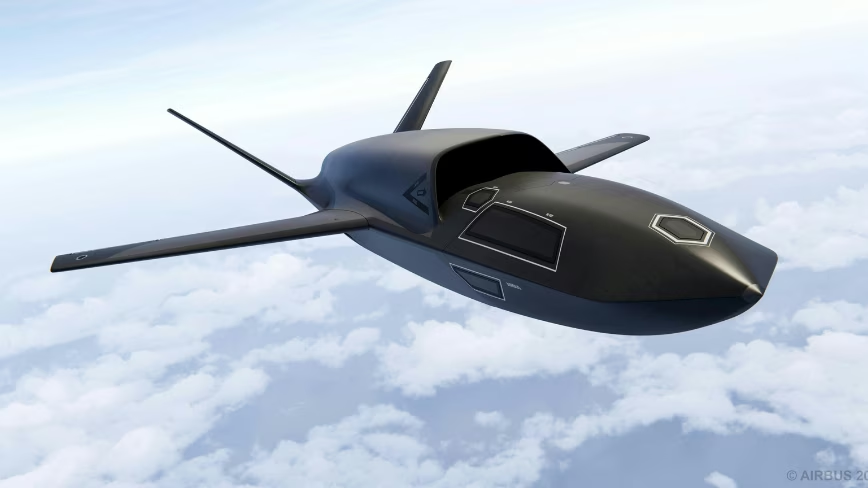
What happened
Four European defense companies showcased their uncrewed “loyal wingman” drones at the Berlin airshow as the continent pushes to modernize its air forces. These drones are designed to fly alongside manned fighter jets, acting as force multipliers by carrying additional sensors, electronic jammers, and weapons that the human-piloted jets cannot. The loyal wingman concept is gaining traction across Europe as countries browse new technologies to strengthen their military capabilities amid increasing geopolitical tensions.
Why it matters
The loyal wingman drone shifts defense priorities by extending the reach and survivability of manned fighter jets. Operators gain more flexibility in reconnaissance, electronic warfare, and firepower without risking pilots directly. This accelerates the integration of unmanned systems into air combat, lowering operational risks and potentially cutting costs over time through force multiplication. For defense firms, this focus signals rising demand for hybrid manned-unmanned systems, putting pressure on budgets and supply chains for advanced aerospace electronics and AI-based autonomy. European militaries must now fast-track new training, command-control integration, and maintenance processes to keep pace.
What to watch next
The next critical step is testing how well these loyal wingman systems perform in realistic, contested environments alongside existing fighter jets. Procurement decisions will reveal who captures Europe’s growing budget share for AI-driven combat drones. Watch for export deals that could reshape defense partnerships and technology transfer. Also watch how governments and regulators balance accelerated deployment with the risks of AI autonomy in lethal systems. The operational lessons from trials and early deployments will set the pace for wider adoption across NATO and allied air forces.
AI Quick Briefs Editorial Desk