Arvind Krishna AMA at IBM Think 2026: Openness, integration and key questions on the IBM AI stack
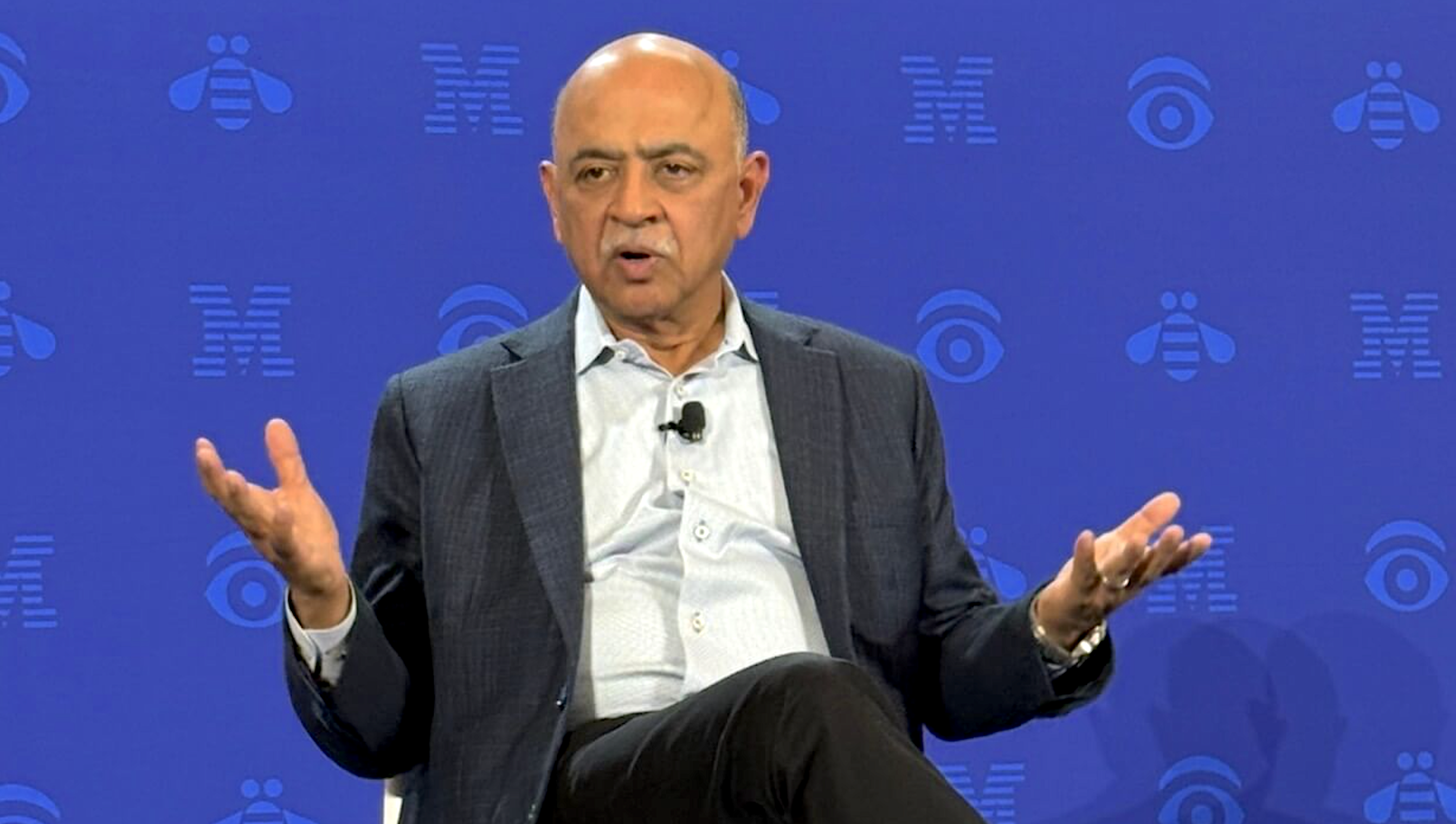
IBM’s CEO Arvind Krishna took center stage at Think 2026 to outline a new direction for the company’s approach to artificial intelligence. Instead of following the typical proprietary path most tech giants choose, IBM is focusing on openness and ecosystem collaboration for its AI stack. Krishna emphasized that this deliberate strategy aims to build an AI infrastructure that is integrated, accessible, and less locked down than what the market usually expects.
This shift matters because AI development often happens within closed systems, limiting how developers and businesses can build on or customize solutions. IBM’s openness could lower barriers for innovation and make AI tools more flexible for industries needing tailored solutions. By fostering an integrated AI ecosystem, IBM wants to enable smoother collaboration among different AI models, applications, and platforms. For businesses, this approach promises more control and adaptability when adopting AI, which is increasingly becoming essential for digital transformation.
The background here is that AI has moved through several cycles, with the current wave driven by large language models and generative AI capturing much of the market’s attention. Many companies have rushed to create proprietary offerings to gain competitive advantage. IBM, however, sees value in supporting an ecosystem where different AI technologies work together rather than compete aggressively. This reflects a broader industry debate about openness versus proprietary control in AI development. IBM’s position challenges the more secretive, siloed tendencies of others and reflects its long history of enterprise-focused technology solutions.
This approach signals that IBM believes collaboration and interoperability are key for the future of AI, especially for business applications. It suggests IBM is positioning itself as the “friendly integrator” rather than just another AI vendor with a closed platform. This could attract enterprises frustrated with the constraints of closed AI systems and encourage more diverse innovation by allowing third parties to build on top of IBM’s AI infrastructure. Going forward, watch for how IBM’s ecosystem partnerships evolve and whether this openness actually leads to broader adoption or requires new standards to manage complexity.
— AI Quick Briefs Editorial Desk