Anthropic is letting Claude agents ‘dream’ so they don’t sleep on the job
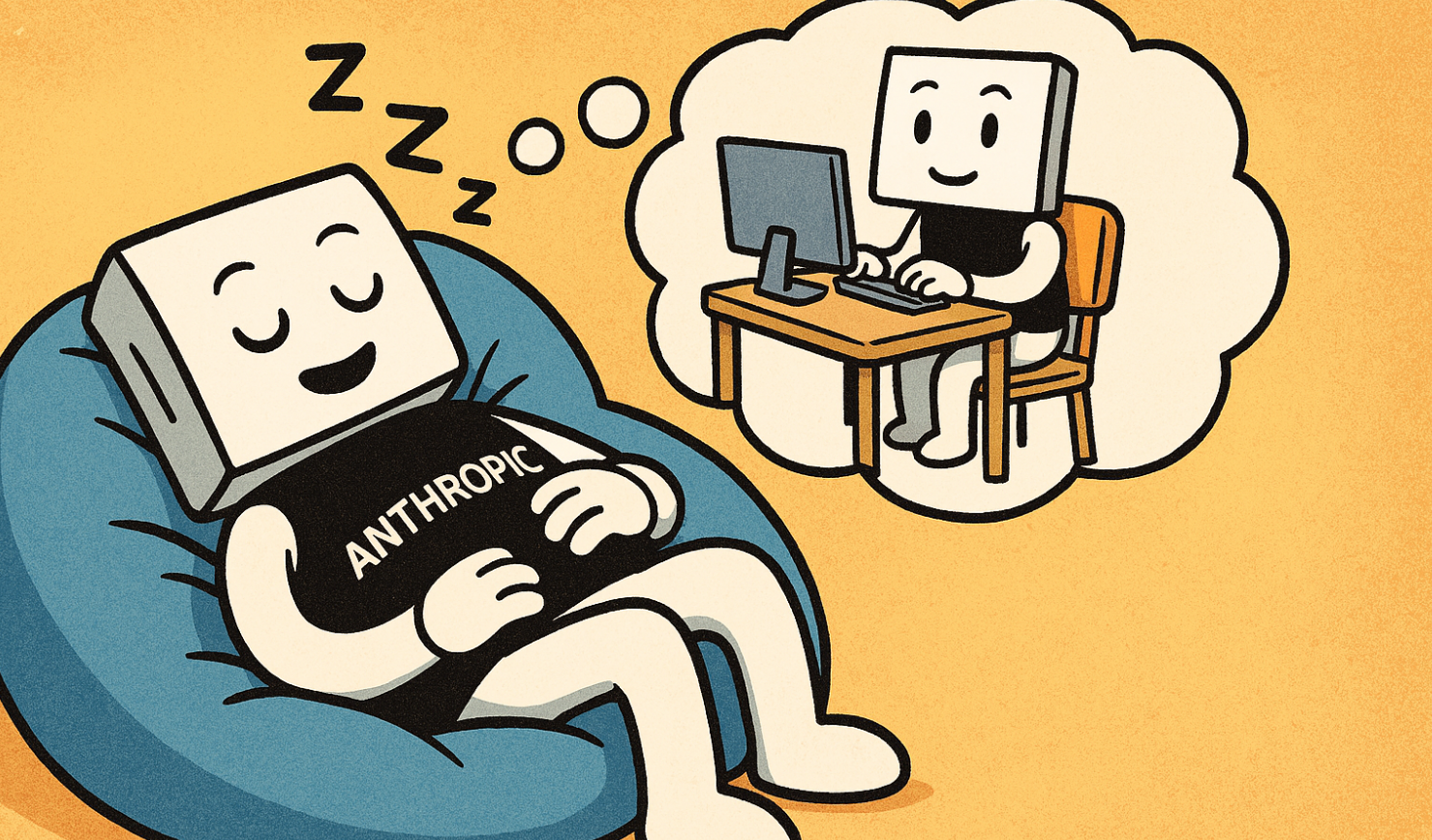
Anthropic has introduced a new feature for its Claude AI agents that allows them to “dream.” This capability lets the agents reflect on and remember previous interactions and tasks. By doing so, they can spot repeated errors and improve their performance over time without needing constant human intervention.
This advancement is important because it addresses a common challenge in AI systems: how to learn continuously from experience without forgetting earlier knowledge. For developers, this means building AI that can better manage long-term tasks and maintain consistency in complex projects. Businesses can expect more reliable AI tools that adapt and refine their work autonomously, which can reduce oversight costs and improve overall efficiency.
The idea of AI agents “dreaming” involves storing memories of past actions and reviewing them like a human might think over the day’s events. This approach helps the AI identify patterns in its behavior that could lead to errors. Previously, AI models often treated each request as a separate event, limiting their ability to learn from past mistakes unless retrained on new data sets. Anthropic’s method enables ongoing learning during a single session or across multiple tasks, making the AI more capable of handling real-world applications that require persistence and evolving understanding.
This development fits into a broader AI trend focused on building systems that combine memory, reasoning, and self-reflection. Rather than simple reactive models, these AI agents start to approach the adaptability and self-improvement seen in humans. It suggests a future where AI tools can independently enhance their own decision-making processes, offering smarter assistance in workplaces, coding environments, and other domains.
Looking ahead, we should watch how this dreaming capability affects the performance and reliability of managed AI agents in practice. If successful, it might encourage other AI developers to explore similar memory and reflection features. This could lead to a new class of AI systems that are less static and more able to evolve with the tasks they handle. Companies using AI for customer service, software development, or other complex workflows may soon expect their tools to be self-tuning rather than requiring constant manual updates.
— AI Quick Briefs Editorial Desk

