Andrew Yang says the next startup wave isn’t building AI. It’s lowering the cost of living.
What happened
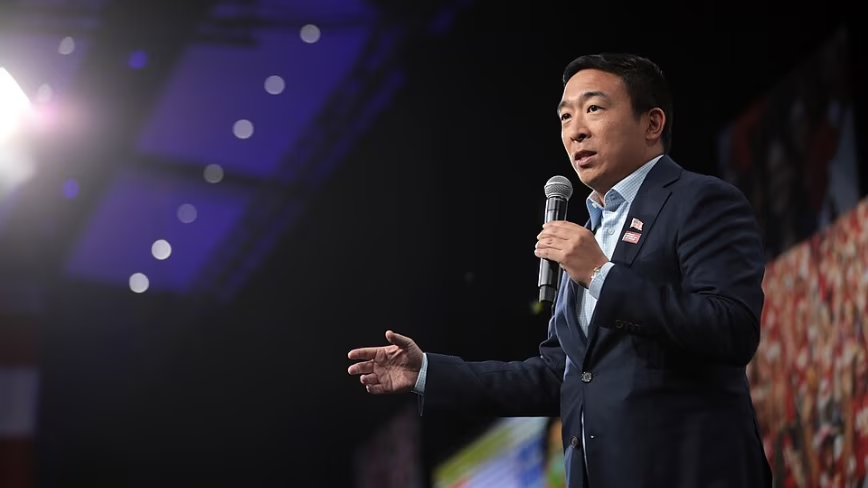
Andrew Yang, former presidential candidate and advocate for universal basic income, issued a challenge to startups: the biggest opportunity in the next decade is not creating new AI technologies. Instead, it lies in building solutions that lower the cost of living for people whose jobs AI will replace. Yang made this point during an interview with TechCrunch, emphasizing how AI-driven automation compresses wages and cuts entry-level jobs, pushing people into financial strain.
Why it matters
Yang’s thesis directly pressures startup founders and investors to rethink where they aim their resources. The traditional AI startup path focused on automation and AI frameworks will increasingly displace workers, meaning wages at the low end will stagnate or fall. This dynamic tightens household budgets and expands demand for services and products that reduce everyday costs like housing, healthcare, and education. Startups that tackle these basics could tap into a larger, underserved market forced to navigate wage pressure and inflation at once.
This also changes incentive structures across sectors. Instead of only optimizing productivity or novelty, new ventures may need to balance automation gains with affordability and accessibility to avoid accelerating inequality. For investors, this signals value in ventures that reduce essential expenses, as social and economic pressures mount around living costs amplified by AI displacement.
What to watch next
The immediate angle to watch is whether venture capital and startup accelerators begin shifting focus toward affordability innovations rather than just AI-native products. Tracking funding flows into cost-saving industries like affordable housing, bulk purchasing, decentralized education, or healthcare services will reveal if Yang’s thesis gains traction.
Further, policy changes around labor displacement and wage support may influence which solutions get adopted and scaled. Founders should also monitor how consumer behavior evolves amid AI-driven job cuts—cost-driven innovation could create new customer segments with specific needs for lower-cost basic services.
AI Quick Briefs Editorial Desk