AMD capitalizes on AI momentum with systems strategy for open-source and hybrid technologies
The business move
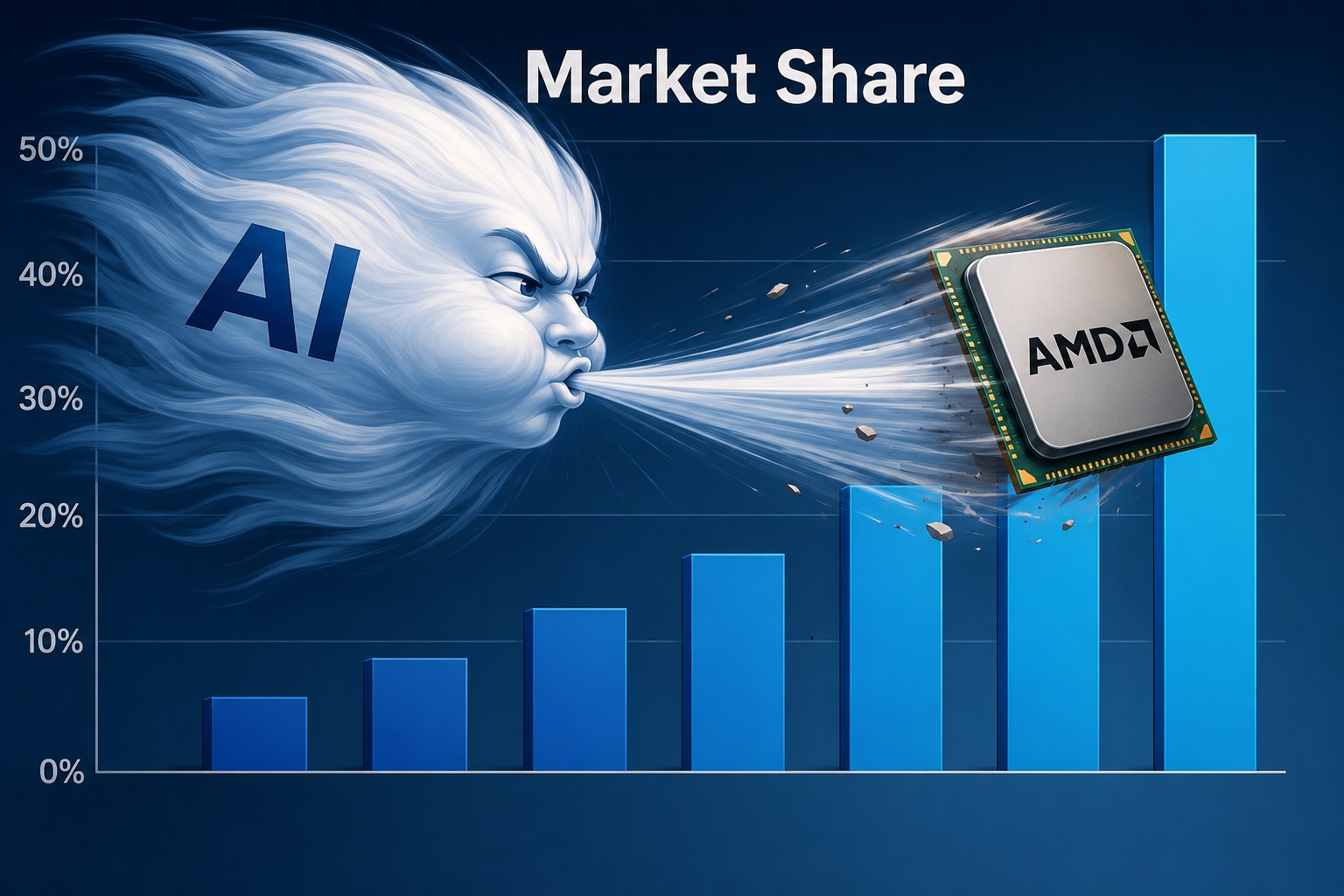
AMD has pushed its market share in the x86 server processor space from 8% five years ago to 46% revenue share today. This rapid gain is powered largely by the surge in demand for AI workloads in data centers. AMD’s strategy focuses on integrating open-source software and hybrid system architectures to capitalize on this AI momentum. The approach reinforces AMD’s expansion beyond just chips into complete server systems optimized for AI applications.
Why it matters
AI workloads are reshaping server processor competition. AMD’s growth shows that building open, flexible system platforms tailored for AI can disrupt incumbents and capture significant market value. For buyers and operators, this means more options for servers designed explicitly to run AI efficiently, potentially driving down costs and improving performance through hybrid architectures. For investors, AMD’s move indicates rising market pressure on traditional chip providers to innovate their AI infrastructure offerings or risk losing ground.
Who gains and who gets squeezed
AMD gains leverage by controlling a larger slice of the AI-driven server market and locking in customers seeking scalable, interoperable systems. Open-source integration reduces dependency on proprietary stacks, making AMD attractive to cloud providers and enterprises wanting more control over AI infrastructure. Competitors slow down as AMD’s strategy raises the bar on what AI-ready server platforms must offer beyond just raw chip power. This also squeezes chipmakers that ignore the system-level aspect of AI workloads.
What to watch next
Tracking AMD’s partnerships and ecosystem growth will be key. Expanded adoption of hybrid architectures combining CPUs and AI accelerators could pressure rivals to expand open-source collaborations. Watch how AMD balances open approaches with maintaining a competitive edge. Also, monitor shifts in cloud and enterprise buying patterns for AI servers and whether AMD’s system strategy quickly displaces legacy suppliers in AI infrastructure deals.
AI Quick Briefs Editorial Desk