Alibaba’s Tongyi Lab Releases Qwen-Audio-3.0-TTS, a Hosted Text-to-Speech Model in Flash and Plus Tiers Acr…
What it does
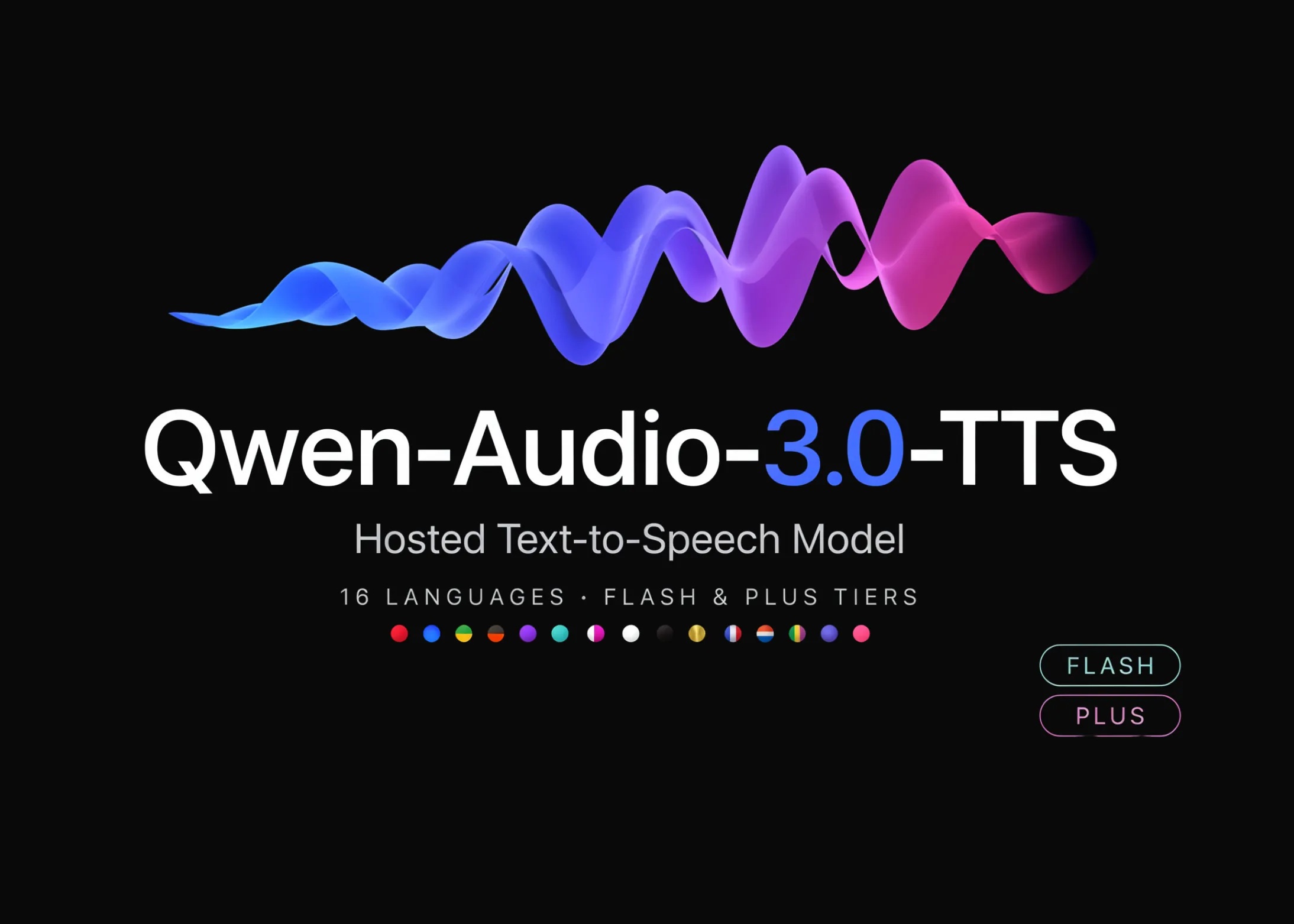
Alibaba’s Tongyi Lab launched Qwen-Audio-3.0-TTS, a text-to-speech model designed for production use. The release includes two versions: Flash and Plus. Flash focuses on real-time speech generation, ideal for live interaction or low-latency demands. Plus targets higher quality audio output, better suited when naturalness and expressiveness outweigh speed. Both models support 16 languages to cover a wide user base.
The models are not available as downloads. They run as hosted services via Alibaba Cloud Model Studio. This delivery method places the burden of hosting, scaling, and maintenance on Alibaba’s infrastructure rather than developers needing local resources.
Why it matters
Qwen-Audio-3.0-TTS emphasizes production realities and developer pain points, especially around latency, quality, and language coverage. For builders integrating TTS into consumer apps, customer service bots, or accessibility tools, the Flash variant can reduce response times without sacrificing intelligibility. Meanwhile, Plus offers a path to improve user experience where voice nuance and clarity matter more.
Hosting the models exclusively on Alibaba Cloud Model Studio shifts operational complexity away from teams that need quick integration without heavy DevOps investment. However, this also locks users into Alibaba’s cloud environment and potential service constraints, which factors into platform choice and cost management.
Support for 16 languages broadens market reach, helping apps serve multilingual audiences without juggling multiple providers or developing custom models. Alibaba’s push here intensifies competition among cloud providers offering AI speech services, which could pressure pricing, innovation speed, and service reliability.
Who it is for
This TTS setup targets developers, startups, and enterprises that require scalable, flexible speech synthesis for products or workflows. Apps needing quick interaction response or high voice quality can choose the flavor that fits. Companies already invested in Alibaba Cloud will find it easier to integrate and scale without moving workloads elsewhere.
It also suits operators aiming to launch voice-enabled solutions in international contexts, given the extensive language support. Content platforms, education services, and customer experience tools can all potentially improve engagement with these models.
The catch
Alibaba’s decision not to provide downloadable weights means users must adopt the hosted-cloud usage model. This restricts deployment flexibility and introduces dependency on Alibaba Cloud’s uptime and pricing changes. There’s also less opportunity to customize models beyond what is exposed via the hosted interfaces.
For builders outside Alibaba’s primary markets or ecosystems, this limitation may reduce appeal despite the technical merits. Integration could be more complex if projects require hybrid or multi-cloud strategies.
What to watch next
Watch how Alibaba expands Qwen-Audio-3.0-TTS’s language and voice capabilities and whether it will open up access beyond hosted services. Adoption patterns in key markets will reveal if hosted-only delivery becomes a barrier or if Alibaba’s infrastructure advantages drive uptake.
Competitors’ responses—especially from Amazon, Google, Microsoft, and regional cloud providers—will shape pricing and feature expectations. Also expect deeper integration of these models into Alibaba’s own ecosystem and partner tools, affecting third-party vendors relying on voice AI.
AI Quick Briefs Editorial Desk


