AI lets chemists design molecules by simply describing them
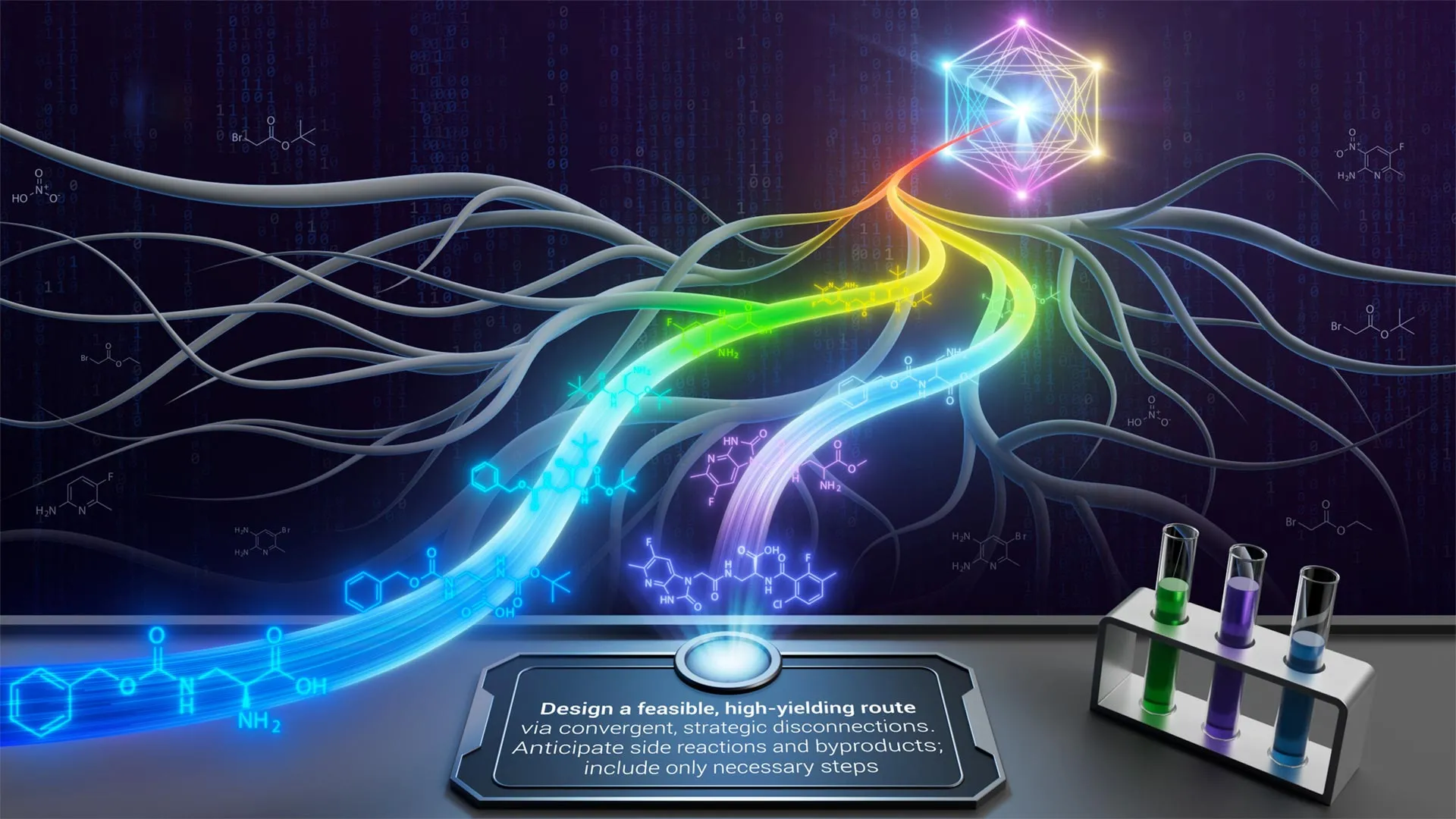
Chemists can now design complex molecules by simply describing what they want in everyday language, thanks to a new AI system called Synthegy. This tool helps guide the synthesis and reaction planning process by interpreting simple instructions from users. Instead of presenting a long list of possible paths, Synthegy applies reasoning to score and explain which molecular synthesis routes are the most feasible and logical.
This advancement is significant because creating new molecules traditionally demands years of specialized knowledge and a lot of trial and error. Synthegy’s conversational approach allows chemists—whether experts or newcomers—to direct the design and synthesis of molecules more intuitively. By bridging human creativity with powerful algorithms, this AI could expedite research in pharmaceuticals, materials science, and other fields that rely on new molecular compounds. Faster and clearer planning reduces experimental costs and accelerates innovation pipelines.
The problem Synthegy addresses is one of complexity and accessibility. Designing molecules involves choosing among countless possible chemical reactions and pathways, each with its own challenges. Conventional software tools can generate potential routes but often overwhelm users with options and lack user-friendly explanations. Synthegy combines natural language understanding with chemical knowledge to provide not only options but also reasoning about their viability. This fits into a broader AI trend of creating systems that interact naturally with humans, making sophisticated technical tasks more approachable.
What stands out is how Synthegy highlights the AI shift from mere number crunching to actual reasoning and explanation. This means scientists won’t just get recommendations; they will understand why certain synthesis plans make sense. It points toward smarter AI assistants that support decision-making rather than replacing human judgment. Going forward, watch for tools that not only describe but also justify complex solutions, potentially transforming various research domains by making expert knowledge more widely accessible and easier to apply.
— AI Quick Briefs Editorial Desk